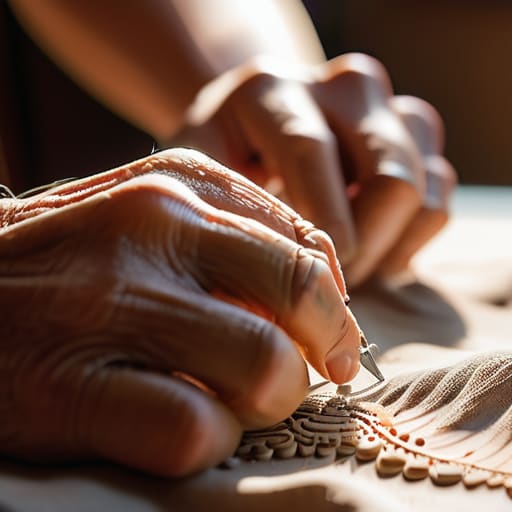
I remember sitting on my living room floor three years ago, surrounded by tangled embroidery floss and a sense of mounting frustration that felt almost physical. I had just transitioned out of a high-octane corporate role, and my brain was still wired for instant gratification and rapid-fire results. Every time a stitch went awry, I felt that familiar, itchy urge to just rip it all out and start over. I realized then that learning how to build patience for slow crafts wasn’t just about steadying my hands; it was about retraining a nervous system that had forgotten how to exist in the quiet, unhurried moments.
I’m not here to sell you a “zen mindset” miracle cure or a complicated ten-step ritual that takes more time than the craft itself. Instead, I want to share what I’ve actually learned through my psychology background and my own messy, trial-and-error journey with needlework and pottery. We’re going to dive into practical, science-backed ways to embrace the rhythm of the process rather than just racing toward the finish line. My goal is to help you turn your creative time into a true sanctuary of intentional stillness, where the joy is found in the making, not just the having.
Table of Contents
Embracing Mindful Crafting Techniques to Quiet the Noise
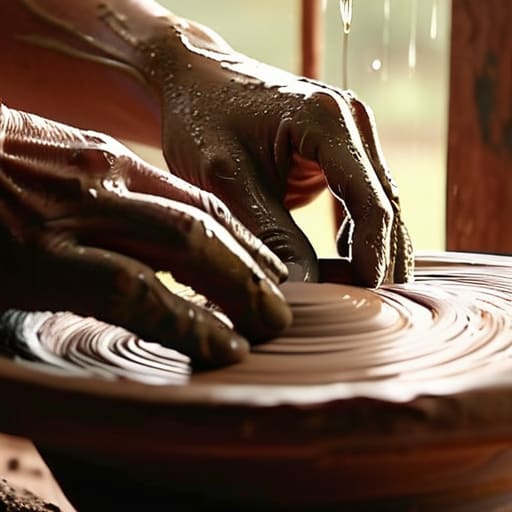
When I first started my journey into pottery, I remember sitting in front of a spinning wheel, feeling this intense, itchy urge to just finish the bowl. My brain was racing ahead to the finished product, completely ignoring the wet clay beneath my palms. To combat this, I started leaning into meditative art practices—not as a way to produce something perfect, but as a way to simply be. Instead of focusing on the end goal, I began focusing on the sensory details: the cool temperature of the clay, the rhythmic hum of the wheel, and the specific tension in my fingers.
By shifting my focus to these micro-moments, I found that I could actually begin managing perfectionism in crafts more effectively. When you stop viewing a mistake as a failure and start seeing it as just another part of the sensory experience, the pressure dissipates. It becomes less about the “thing” you’re making and more about the quiet, steady rhythm of the process itself. This shift is where the real magic happens; it’s where the noise of your to-do list finally starts to fade into the background.
Overcoming Creative Frustration With a Gentle Heart
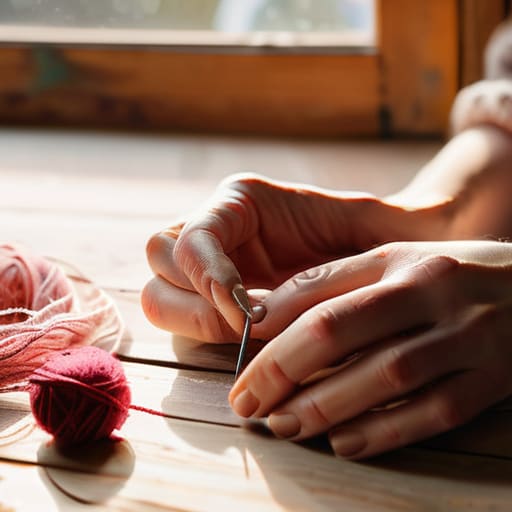
We’ve all been there: you’re halfway through a knitting project or a delicate watercolor piece, and suddenly, everything feels wrong. Your hands feel clumsy, the colors aren’t cooperating, and that familiar, nagging voice in your head starts whispering that you’re just not good at this. When that wave of irritation hits, it’s easy to want to toss the whole project aside. But I want you to try something different. Instead of fighting the tension, try to view it as a signal that your nervous system needs a moment to reset. Overcoming creative frustration isn’t about forcing a perfect result; it’s about learning to sit with the messiness of the process without judgment.
I remember a time during my corporate years when I tried to take up pottery to decompress, only to end up crying over a collapsed clay bowl. I realized then that I was treating my hobby like another deadline to meet. To truly reap the slow hobby mental health benefits, we have to practice managing perfectionism in crafts by giving ourselves permission to fail. If a stitch drops or a line smudges, take a deep breath and let it be. These little imperfections are actually the heartbeat of your creative journey.
Finding Your Rhythm: Five Ways to Lean Into the Slow
- Celebrate the “micro-wins” along the way. When I was first trying to get into long-form embroidery, I used to get so discouraged by how much work was left. Now, I make a point to notice the tiny progress—the single row of stitches or the way a color looks against the fabric. It’s those small, quiet victories that keep the momentum going without the pressure of the finish line.
- Curate a sensory sanctuary for your practice. I’ve found that if my environment is chaotic, my patience for a slow craft vanishes instantly. Try pairing your crafting with a specific playlist, a warm cup of herbal tea, or even a scent like lavender. By signaling to your nervous system that “this is a safe, slow space,” you make it much easier to settle into the rhythm.
- Practice “intentional imperfection.” We often lose patience because we’re chasing a flawless result that exists only in our heads. I like to remind myself that a slight wobble in a hand-knit row isn’t a mistake; it’s a fingerprint of a human being. When you give yourself permission to be imperfect, the tension in your shoulders—and your timeline—starts to melt away.
- Set a timer for “connection,” not “completion.” Instead of saying, “I’m going to finish this sleeve today,” try saying, “I’m going to give this my undivided attention for twenty minutes.” This shifts your goal from a stressful output to a meaningful experience. It turns the craft from a chore on your to-do list into a scheduled moment of self-care.
- Embrace the “unproductive” moments of learning. There’s a concept in positive psychology about the growth mindset, and it applies so beautifully here. When you drop a stitch or mess up a pattern, try to view it as a data point rather than a failure. Those moments of friction are actually where your brain is doing the most profound work of learning to stay present.
Finding Your Rhythm in the Slow
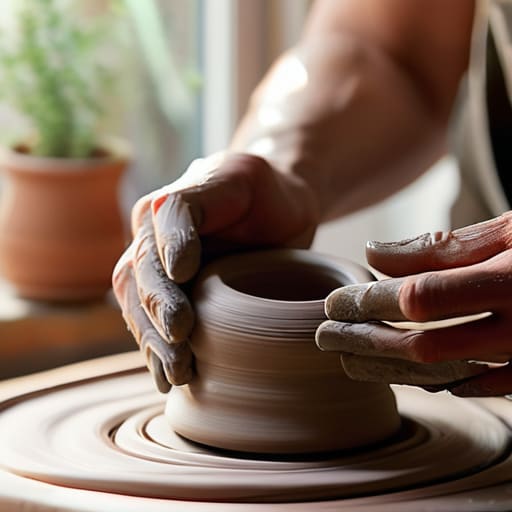
Remember that patience isn’t a destination you reach, but a muscle you build; every time you choose to breathe through a mistake rather than rushing to fix it, you’re strengthening your capacity for presence.
Shift your focus from the finished product to the sensory experience of the process—the weight of the tools in your hands and the steady rhythm of your movement—to turn crafting into a moving meditation.
Give yourself permission to be imperfect, because the goal of slow crafting isn’t just to create something beautiful, but to cultivate a kinder, more patient relationship with yourself along the way.
Finding the Rhythm in the Wait
“We often treat slow crafts like a race to a finished product, but the real magic happens when we stop chasing the end result and start falling in love with the quiet, steady rhythm of the process itself. Patience isn’t just waiting; it’s learning to be fully present in the stitches, the strokes, and the beautiful, slow unfolding of something made by hand.”
Sophia Reynolds
Finding Your Rhythm in the Slow
As we wrap up our journey into the world of slow crafts, I want you to remember that building patience isn’t about reaching a finish line where you suddenly become a master of stillness. It’s about the small, intentional shifts we’ve discussed: using mindfulness to quiet the external noise, treating our creative mistakes with a little more radical self-compassion, and learning to lean into the frustration rather than fighting it. Whether you are working with a needle, a paintbrush, or a pottery wheel, remember that every stitch and every stroke is an opportunity to practice being present. You aren’t just making an object; you are cultivating a calmer version of yourself one steady movement at a time.
At the end of the day, the beauty of a slow craft isn’t found in the final product sitting on your shelf, but in the quiet moments of connection you forged with yourself while creating it. In our hyper-connected, “instant gratification” culture, choosing to do something slowly is a profound act of rebellion. So, the next time you feel that familiar urge to rush or the sting of imperfection, just pause. Take a deep breath, feel the texture of your materials, and remember that you are exactly where you need to be. Let the process be your sanctuary, and trust that the most beautiful things in life—including your own growth—take time to bloom.
Frequently Asked Questions
How can I stay patient with my craft when I’m feeling particularly overwhelmed or rushed by my daily work schedule?
When the workday feels like a relentless sprint, your craft can start to feel like just another item on a frantic to-do list. I’ve been there—staring at a half-finished project while my brain is still buzzing from back-to-back meetings. My advice? Lower the stakes. Instead of aiming for “progress,” aim for “presence.” Even just ten minutes of rhythmic stitching can act as a sensory anchor, helping you transition from corporate chaos back into your own calm.
Is it normal to feel like I'm "wasting time" when I'm working on something slow, and how do I quiet that productivity guilt?
Oh, I hear you so loudly on this. Honestly? It is incredibly normal. I used to struggle with that exact same “productivity guilt” during my corporate years—that nagging voice saying if I wasn’t hitting a KPI, I was failing. But here’s the truth: slow crafting isn’t “wasted” time; it’s restorative time. You aren’t just making something; you’re practicing being present. When that guilt creeps in, try reframing it: this is an investment in your mental well-being.
What are some small, quick mindfulness exercises I can do right in the middle of a project when I feel my frustration starting to rise?
When that heat starts rising in your chest, I always suggest the “Five-Senses Grounding” trick. Just pause and name: one thing you can feel (the texture of your yarn), one thing you can hear, and one thing you can smell. If you’re really spiraling, try “Box Breathing”—inhale for four, hold for four, exhale for four. It’s like a quick reset button for your nervous system, pulling you out of your head and back into the present moment.