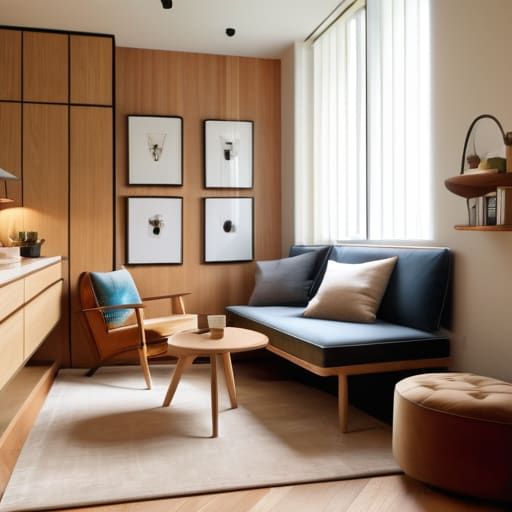
I still remember my first studio apartment in San Francisco—a tiny, sun-drenched shoebox that felt more like a storage unit than a home. I spent weeks frantically scrolling through interior design blogs, feeling completely overwhelmed by “rules” that suggested I needed to gut the place or spend a fortune on custom built-ins just to feel human again. It’s so frustrating how the design world tries to convince us that a lack of square footage means a lack of peace, but I learned the hard way that knowing how to arrange furniture in a small room isn’t about following rigid, expensive formulas; it’s about intentionality.
I’m not here to sell you on some magical, minimalist lifestyle that requires throwing away everything you love. Instead, I want to share what I’ve gathered from years of studying how our physical environments impact our mental clarity. I’m going to walk you through practical, evidence-based ways to curate your space so it actually works for you, not against you. We’re going to focus on creating a sanctuary of calm through smart, flow-focused layouts that allow you to breathe deeply, no matter how many square feet you’re working with.
Table of Contents
- Maximizing Small Space Functionality for a Calm Mind
- Finding Balance Through Visual Weight in Interior Design
- Small Shifts for a Spacious Soul: 5 Intentional Layout Strategies
- Finding Your Flow: Small Space Essentials
- Designing for Stillness
- Creating Your Personal Sanctuary
- Frequently Asked Questions
Maximizing Small Space Functionality for a Calm Mind
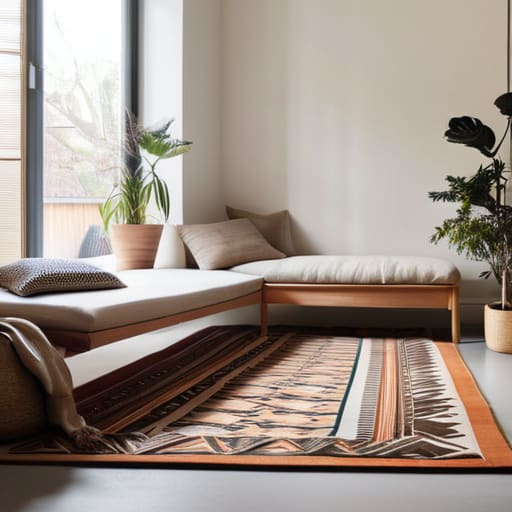
When we talk about maximizing small space functionality, I often remind my clients that a cluttered room isn’t just a physical mess—it’s a mental one. When your eyes constantly land on piles of “stuff” or furniture that feels like it’s encroaching on your personal bubble, your nervous system stays in a state of low-level alert. To combat this, I love the concept of zoning a small room. Even in a studio, using a rug or the back of a sofa to define a “work zone” versus a “rest zone” creates psychological boundaries. These invisible lines allow your brain to switch gears, helping you transition from high-productivity mode to true relaxation without feeling like you’re still “at the office.”
I’ve also found that managing visual weight in interior design is a total game-changer for your mood. If every piece of furniture is heavy, dark, or bulky, the room can start to feel like it’s closing in on you. Instead, try incorporating pieces with slender legs or glass surfaces that let light pass through. It’s about creating a sense of airiness that mirrors the mental clarity we’re all striving for.
Finding Balance Through Visual Weight in Interior Design
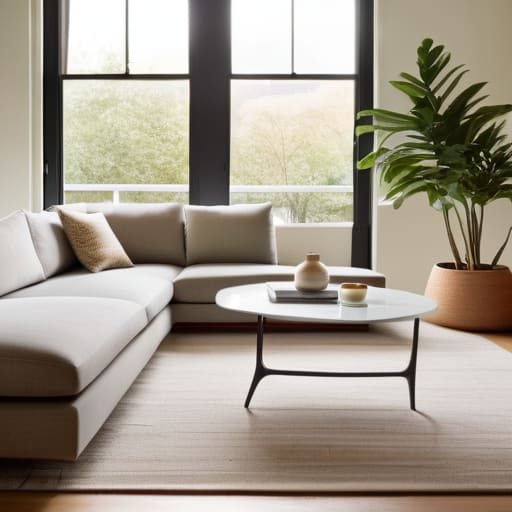
When I first started working as a corporate wellness consultant, I noticed how often people’s physical environments mirrored their internal mental clutter. In a tiny apartment, it’s so easy to accidentally create “heavy” corners that make you feel boxed in. This is where understanding visual weight in interior design becomes a total game-changer for your mental clarity. Think of it this way: a massive, dark velvet sofa carries a lot of “weight” and can make a room feel crowded, even if there’s physical space left. To counter this, I love pairing heavier pieces with something lighter, like a glass coffee table or slim-legged chairs, to keep the energy moving.
It’s all about creating a sense of equilibrium. If you have a large bookshelf on one side, try to balance it out with something on the opposite side—perhaps a large piece of art or a tall plant—rather than just piling more objects into a single corner. By being mindful of how much “visual noise” each item makes, you’re effectively creating flow in tight spaces, allowing your eyes to glide through the room rather than getting stuck on a single, overwhelming object.
Small Shifts for a Spacious Soul: 5 Intentional Layout Strategies
- Embrace the “Breathable Perimeter.” It’s so tempting to push every single piece of furniture flush against the walls to save space, but that can actually make a room feel boxed in and stagnant. Try pulling your sofa just an inch or two away from the wall; that tiny bit of “negative space” allows the eye to move more freely, creating an illusion of depth and much-needed mental breathing room.
- Prioritize Multi-Purpose Anchors. In my corporate wellness days, I saw how cluttered environments spiked cortisol levels. To avoid this, choose pieces that work double duty—like a stylish ottoman that doubles as coffee table or extra seating. When your furniture serves more than one purpose, you reduce the physical “noise” in the room, leaving you with a clearer, more focused space.
- Use Verticality to Lift Your Perspective. When we feel cramped, our focus tends to drop toward the floor, which can feel heavy and overwhelming. I love using tall, slender bookshelves or hanging plants to draw the eye upward. By directing your gaze toward the ceiling, you’re literally shifting your perspective, making the room feel loftier and more expansive than its actual square footage suggests.
- Create “Zones” Without Physical Barriers. Even in a tiny studio, our brains crave structure to feel productive and relaxed. Instead of using heavy dividers that swallow light, use area rugs to define your “work zone” versus your “rest zone.” This subtle psychological cue helps your mind transition from “go-mode” to “unwind-mode” without needing a single wall.
- The Magic of Light and Reflection. I always tell my clients that light is just as much a design element as a chair is. A well-placed mirror doesn’t just reflect your outfit; it captures natural light and bounces it into the darker corners of your room. This trick breaks up the visual density of a small space, making the atmosphere feel airy, bright, and infinitely more welcoming.
Finding Your Flow: Small Space Essentials
Remember that your layout should serve your mental well-being; if a piece of furniture feels like an obstacle to your movement, it’s likely creating subconscious stress.
Use the concept of “breathing room” by leaving intentional gaps between objects, rather than trying to squeeze every last inch of utility out of the floor.
Prioritize multi-functional pieces that act as anchors for your routine, allowing your environment to adapt to your needs without feeling cluttered or overwhelming.
Designing for Stillness
“When we’re working with limited square footage, remember that we aren’t just moving objects around a room; we are curating the flow of our own energy. Don’t just try to fit everything in—give your furniture, and your mind, the permission to breathe.”
Sophia Reynolds
Creating Your Personal Sanctuary
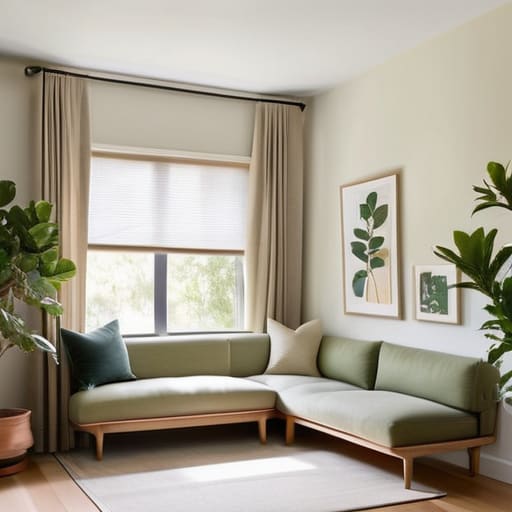
As we wrap up this journey of spatial exploration, remember that arranging a small room is about much more than just fitting pieces into a floor plan. It’s about the intentional dance between functionality and flow. By prioritizing multi-purpose furniture to maximize your utility and being mindful of visual weight to prevent that “cluttered” feeling, you are essentially curating your environment for mental clarity. We’ve talked about how a well-placed chair or a lighter color palette can transform a cramped corner into a breathing space, and I hope these strategies help you see your square footage through a lens of possibility rather than limitation.
At the end of the day, your home should be a soft place to land after a long, demanding day. Whether you are working from a tiny studio or just trying to make a guest room feel more inviting, remember that the goal isn’t perfection—it’s harmony. Don’t feel pressured to get it all right on the first try; your space can evolve alongside you. Take a deep breath, step back, and look at your room with kindness. When you design with intention and soul, you aren’t just moving furniture; you are building a sanctuary that supports the very best version of you.
Frequently Asked Questions
How can I choose furniture pieces that don't make my small room feel cluttered or claustrophobic?
Think of your furniture as guests in your sanctuary; you wouldn’t invite a crowd that makes it impossible to move, right? I always suggest looking for pieces with “legs”—furniture that sits off the floor allows light and air to flow underneath, which trick the eye into seeing more space. Opt for multi-functional items, like a storage ottoman, to keep the visual noise down. When we reduce physical clutter, we create much-needed mental breathing room.
Is it better to push all my furniture against the walls, or should I leave some space to create a sense of flow?
It’s such a common instinct to push everything against the walls to “save” space, but I’ve found that often backfires by making a room feel rigid and cramped. Think of it like your breath—if you’re too constricted, you can’t flow. By pulling a chair just a few inches away from the wall, you create “breathing room” for the eye, fostering a sense of ease and organic movement that truly nurtures a calm mind.
How do I balance my need for a productive workspace with my desire to keep my room feeling like a relaxing sanctuary?
I completely hear you—it’s that classic tug-of-war between “hustle” and “healing.” I used to struggle with this in my tiny San Francisco apartment! My secret? Zoning. Instead of a desk that screams “work” all night, try using a small rug or a dedicated lamp to define your workspace. When the workday ends, physically tuck your laptop away or cover it with a beautiful textile. It signals to your nervous system that it’s time to exhale.