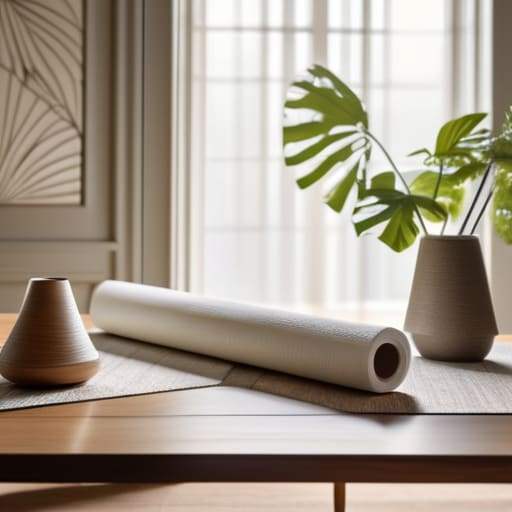
I remember standing in the middle of my first tiny apartment in San Francisco, surrounded by dozens of tiny, confusing paper samples that all seemed to promise “tranquility” while actually feeling quite overwhelming. I spent hours staring at patterns, paralyzed by the fear that one wrong choice would ruin the entire energy of my sanctuary. We’ve been told that decorating is about following the latest high-end trends or spending a fortune on designer labels, but I’ve learned that knowing how to choose wallpaper isn’t about matching a Pinterest board—it’s about understanding the emotional frequency of the room you’re actually living in.
In this guide, I’m stripping away the interior design jargon and the pressure to be “perfect.” I want to share the practical, evidence-based approach I use to curate spaces that truly support mental clarity and calm. We are going to move past the superficial fluff and dive into the intentional way to select textures, colors, and scales that honor your personal well-being. My promise to you is simple: no hype, no unnecessary spending, just honest guidance to help you create a home that feels like a deep, restorative breath.
Table of Contents
- Finding Harmony Through Color Palette Coordination
- Selecting Soulful Wallpaper Material Types
- Five Intentional Steps to Finding Your Perfect Pattern
- Bringing It All Together: Your Path to a Restorative Space
- The Intention Behind the Pattern
- Creating Your Personal Sanctuary
- Frequently Asked Questions
Finding Harmony Through Color Palette Coordination
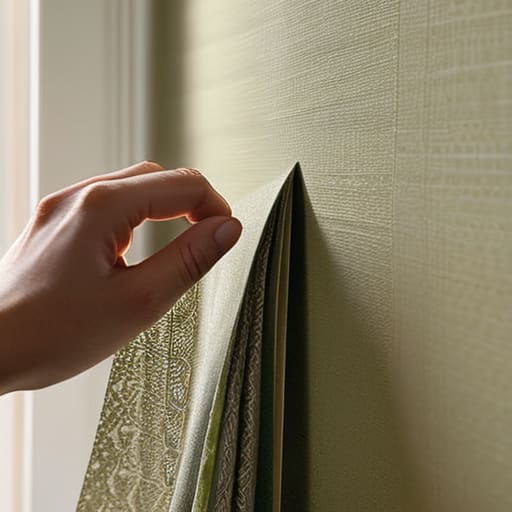
When I was working as a corporate wellness consultant, I noticed how often people felt drained by their own environments. We often forget that the walls around us aren’t just decor; they are the backdrop to our emotional lives. When you’re diving into color palette coordination, I want you to think beyond what looks “trendy” on a mood board. Instead, ask yourself how you want to feel when you walk into the room. Do you need the grounding energy of earthy ochres to settle your mind after a long day, or perhaps a soft, airy sage to invite a sense of renewal?
It’s also vital to consider how lighting and wallpaper color dance together throughout the day. I remember a client who chose a stunning, deep navy for her home office, only to realize it felt heavy and somber once the evening sun dipped below the horizon. Light is a living thing; it shifts, fades, and transforms. Before you commit, I highly recommend testing your samples at different hours. You want to ensure your chosen hues work in harmony with the natural rhythm of your home, creating a space that supports your well-being from sunrise to sunset.
Selecting Soulful Wallpaper Material Types
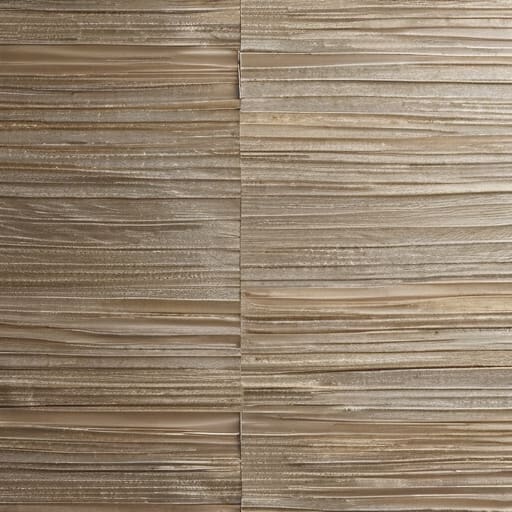
When we talk about transforming a room, we often get caught up in the visual patterns, but I’ve learned that the tactile experience is just as vital to our sense of well-being. Choosing between different wallpaper material types isn’t just a technical decision; it’s about how you want the room to feel against your skin and how it interacts with the energy of the space. For instance, a heavy, grasscloth texture can ground a room, offering a sense of organic stability that’s perfect for a cozy reading nook. On the other hand, a smooth, silk-finish paper might invite a sense of lightness and flow in a space meant for morning meditation.
I always tell my clients to consider how wallpaper texture and finish will dance with the natural light in their home. A matte finish can absorb light, creating a soft, cocoon-like atmosphere that feels incredibly safe and quiet. Meanwhile, something with a subtle metallic sheen can catch the morning sun, acting as a gentle reminder to wake up and embrace the day. Before you commit, I suggest running your hands over a sample; if the texture brings a sense of calm to your touch, you’ve likely found a soulful match.
Five Intentional Steps to Finding Your Perfect Pattern
- Let the light lead the way. Before you commit to a sample, spend a few hours in the room at different times of the day. A pattern that feels energizing and bright at 10 AM might feel heavy or overwhelming once the sun sets, so observe how the natural light dances across the texture.
- Scale your patterns to your headspace. If you’re looking to create a sanctuary for deep focus or meditation, avoid large, chaotic prints that demand constant visual attention. Instead, opt for smaller, rhythmic motifs that allow your eyes—and your mind—to rest.
- Test the tactile connection. We often forget that our homes are sensory experiences, not just visual ones. Run your hands over the samples; there is a profound psychological shift that happens when we surround ourselves with textures that feel grounding, like a soft grasscloth or a subtle linen finish.
- Think about the “flow” of your energy. Don’t just look at the wallpaper in isolation. Imagine how the pattern will transition from your hallway into your living space. You want your home to feel like a continuous, soothing breath rather than a series of jarring, disconnected rooms.
- Embrace the power of the “accent pause.” You don’t need to cover every wall to make a statement. Sometimes, choosing one single, meaningful wall to feature a bold design acts as a visual anchor, giving your mind a beautiful place to land when the world outside feels a little too loud.
Bringing It All Together: Your Path to a Restorative Space
Trust your intuition over the trends; once you’ve balanced the color and the texture, take a moment to sit in the space and see if it actually allows you to breathe.
Remember that your walls are more than just decor—they are the silent backdrop to your daily rituals, so choose patterns that invite stillness rather than sensory overload.
Don’t rush the process; finding the perfect wallpaper is an act of mindfulness that honors both the aesthetic of your home and the sanctuary of your mental well-being.
The Intention Behind the Pattern
“When you’re selecting a wallpaper, try to look past the mere aesthetics and ask yourself: how do I want to feel the moment I walk into this room? Are you looking for a pattern that energizes your morning ritual, or a texture that offers a gentle exhale at the end of a long day? Your walls shouldn’t just decorate a space; they should hold space for the life you’re building.”
Sophia Reynolds
Creating Your Personal Sanctuary
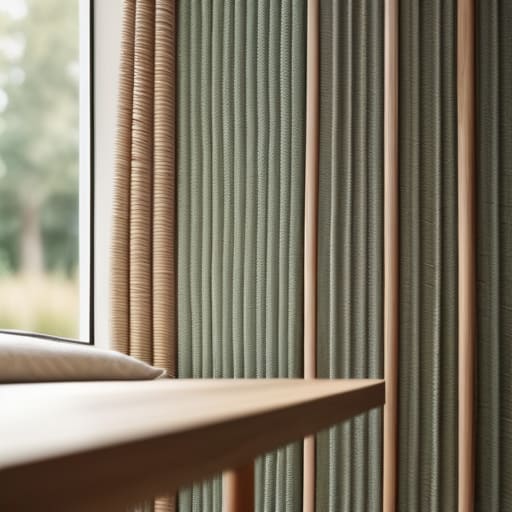
As we wrap up this journey of transformation, remember that choosing the right wallpaper is about so much more than just picking a pretty pattern from a catalog. It’s a delicate dance between the psychological impact of your color palette and the tactile, grounding energy of the materials you bring into your home. Whether you’ve leaned toward soft, calming hues to soothe your nervous system or chosen a rich, textured fabric to add a sense of depth and stability, you are essentially curating the backdrop of your life. By considering how light interacts with your chosen textures and how colors influence your daily mood, you move beyond simple decoration and into the intentional realm of designing for well-being.
Ultimately, your home should be a soft place to land after a long, demanding day. I remember when I was working those high-stress corporate roles in California, I used to feel like my apartment was just a place to crash, rather than a place to recharge. Once I started treating my walls as a way to nurture my spirit, everything changed. Don’t be afraid to trust your intuition; if a pattern feels like a deep breath, it’s the one. Trust that by surrounding yourself with beauty that resonates with your soul, you are creating a sacred space for growth and stillness. You deserve a home that loves you back.
Frequently Asked Questions
How do I balance a bold, expressive pattern with the need to maintain a sense of calm and mental clarity in my workspace?
I completely hear you—it’s that delicate dance between inspiration and overstimulation. I used to struggle with this in my old corporate office! My secret? Use the “Rule of Anchors.” If you choose a bold, expressive pattern, anchor it with calming, neutral elements like a soft linen desk mat or a few smooth, stone accents. Think of the wallpaper as the vibrant melody and your furniture as the steady, grounding bassline. It creates energy without the chaos.
Will the texture and weight of this specific wallpaper impact the acoustic energy and "feel" of my room?
Oh, absolutely. I think about this often when I’m setting up my meditation nook. Think of wallpaper not just as a visual layer, but as a tactile one. A heavy, textured grasscloth or a thick embossed vinyl can actually act like a soft muffler, absorbing those sharp, echoing sound waves and grounding the room’s energy. It transforms a space from “echoey and hollow” to “enveloping and safe,” which is so vital for true stillness.
How can I ensure that the chosen design complements my existing furniture without creating a sensory overload?
Think of your room like a conversation. If your furniture is already “loud”—maybe a velvet emerald sofa or an ornate antique desk—your wallpaper should be the calming, supportive listener. I always suggest finding one common thread, like a subtle undertone in a pattern that matches your upholstery. If you’re worried about sensory overload, lean into negative space. A breathable, minimalist design allows your cherished pieces to shine without competing for attention.