I still remember that tiny, one-bedroom apartment I rented in San Francisco right after grad school. Every time I walked through the door, the walls felt like they were physically leaning in toward me, making it nearly impossible to catch my breath after a long day. I used to spend hours scrolling through expensive interior design blogs, feeling more defeated by the suggestion that I needed a complete renovation just to find some peace. The truth is, most of those “expert” guides make it sound so much more complicated than it actually is, as if you need a massive budget to figure out how to make a room feel bigger.
I’m not here to sell you on overpriced minimalist furniture or structural changes that you simply can’t afford. Instead, I want to share the gentle, intentional shifts I’ve learned through years of studying how our physical environments impact our mental clarity. We’re going to explore practical, evidence-based ways to trick the eye and, more importantly, expand your sense of calm. Let’s dive into how you can transform your cramped corners into a sanctuary that finally lets your spirit breathe.
Table of Contents
Maximizing Natural Light to Invite the Outside in
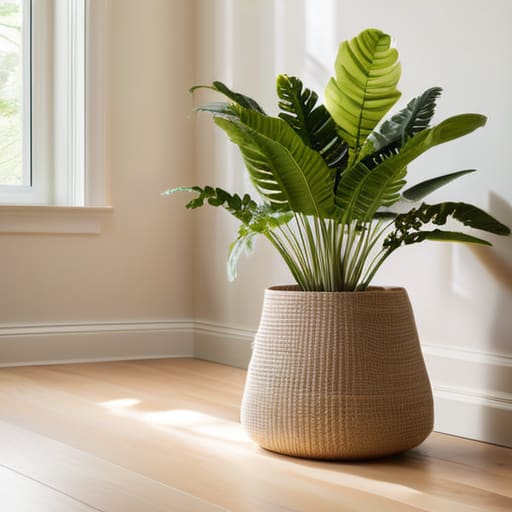
I remember one of my first apartments in San Francisco; it was tiny, and I used to feel like the walls were physically closing in on me. I realized quickly that it wasn’t just the square footage that was the problem, but how heavy and dim the space felt. One of my favorite ways to combat that “boxed-in” sensation is through maximizing natural light. When we allow sunlight to dance across a room, we aren’t just brightening a corner; we are actually inviting the energy of the outside world to flow through our sanctuary.
To truly harness this, I always suggest stripping away those heavy, dark drapery layers that tend to swallow up the afternoon glow. Instead, opt for sheer, breezy fabrics that allow light to filter in while still offering a sense of privacy. This is a cornerstone of minimalist interior design—the idea that less is often more, especially when it comes to visual weight. By keeping window treatments light and airy, you create a seamless connection to the sky, making even the most compact living area feel like it has room to breathe and expand.
The Gentle Art of Decluttering for Space
I remember a time in my early twenties, living in a tiny studio in San Francisco, where every surface was buried under books, mail, and half-finished projects. I felt like I couldn’t catch my breath, not because the room was physically small, but because my environment felt heavy. It wasn’t until I embraced the principles of minimalist interior design that I realized my surroundings were directly impacting my mental clarity. When we practice intentional decluttering for space, we aren’t just cleaning; we are performing a ritual of release. By removing the visual noise that competes for our attention, we allow the room to finally exhale.
Instead of seeing this as a chore, try viewing it as a way to curate your sanctuary. Start by looking at your belongings through the lens of purpose and joy. If an object no longer serves your current season of life, it might be time to let it go. This process creates a sense of flow that makes even the most compact quarters feel airy and intentional. When we clear the physical path, we create the mental room necessary to truly thrive.
Designing for Flow: Five Ways to Let Your Space Breathe
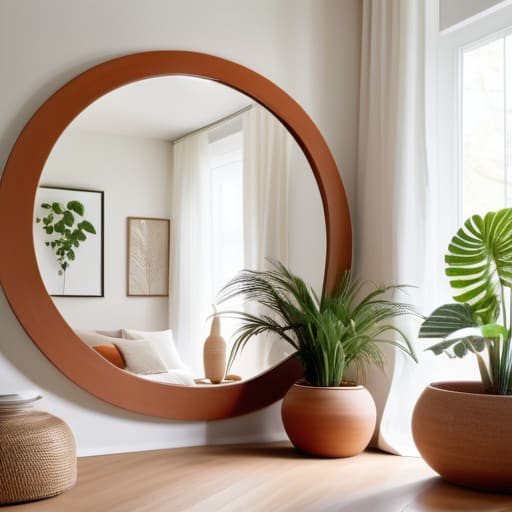
- Play with Illusion through Mirrors. I always tell my clients that a well-placed mirror isn’t just decor; it’s a window. By catching the light and reflecting the room back at you, a mirror can trick the eye into seeing a depth that simply isn’t there, making a cramped corner feel like an open vista.
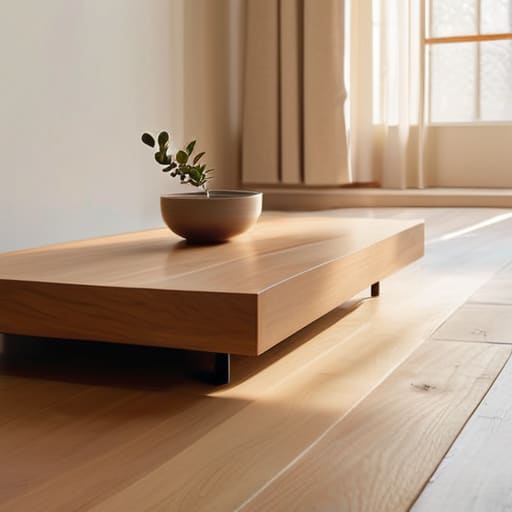
- Embrace the Magic of Low-Profile Furniture. When we surround ourselves with high-backed, heavy pieces, we subconsciously create barriers that “close in” our energy. Opting for furniture with lower silhouettes keeps the sightlines open, allowing your gaze to travel across the room without interruption.
- Stick to a Soothing, Monochromatic Palette. There’s a certain psychological peace that comes with a cohesive color story. By using varying shades of the same light, airy color, you eliminate the visual “stops” that occur when colors clash, creating a seamless flow that makes walls feel like they’re receding.
- Let Your Floors Shine. It sounds simple, but showing as much floor space as possible is a game-changer. Instead of bulky furniture that sits flush against the ground, try pieces with slender, tapered legs. Seeing that extra bit of floor underneath a sofa or chair gives the room a sense of weightlessness and airiness.
- Use Vertical Space to Uplift Your Spirit. When we run out of horizontal room, we must look up! Installing floor-to-ceiling curtains or tall, slender shelving draws the eye upward toward the ceiling. This vertical movement creates an illusion of height, making even the smallest room feel much more majestic and expansive.
Small Shifts for a More Spacious Soul
Embrace the light; by letting natural sunshine dance through your windows, you aren’t just brightening a corner, you’re inviting an expansive, airy energy into your sanctuary.
Honor your space by letting go; remember that every item you declutter is a tiny act of kindness toward yourself, creating the physical and mental breathing room you deserve.
Curate with intention; instead of filling every gap, allow your furniture and decor to “breathe,” proving that a room’s true size is defined by the harmony within it, not just its square footage.
The Soul of Space
“Making a room feel larger isn’t just about rearranging furniture or choosing lighter colors; it’s about clearing the physical and energetic clutter so your spirit has the room it needs to actually breathe.”
Sophia Reynolds
Creating Your Personal Sanctuary
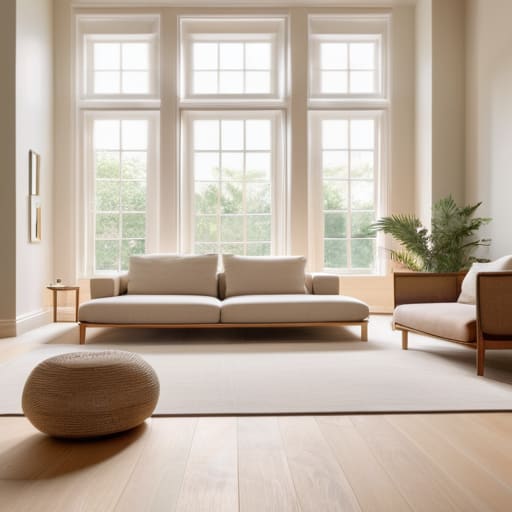
As we wrap up our journey of transformation, I want you to take a moment to look around your space through a new lens. We’ve explored how inviting the sun to dance across your floors through natural light can instantly lift the heavy energy of a room, and how the gentle, intentional act of decluttering can clear both your physical surroundings and your mental fog. By choosing furniture that breathes and keeping your surfaces light, you aren’t just playing with visual tricks; you are curating an environment that supports your well-being. Remember, making a room feel bigger is less about the square footage you were born with and more about the intentionality you bring to the space you inhabit.
At the end of the day, your home should be more than just a collection of walls and belongings; it should be a sanctuary that allows your spirit to expand. I truly believe that when we create physical space, we inadvertently create emotional breathing room for ourselves to grow, rest, and dream. Don’t feel like you have to overhaul everything overnight. Start small, listen to what your space is telling you, and move at a pace that feels nourishing to your soul. You deserve a home that feels as limitless and bright as your own potential.
Frequently Asked Questions
I've decluttered, but my room still feels heavy—could my furniture scale be the hidden culprit?
Oh, you’ve hit on something so profound! It’s funny, because when I was transitioning out of the corporate world, I realized my heavy, dark desk was actually draining my energy. Even in a clean room, oversized furniture can act like an anchor, weighing down the “flow” of your space. Try swapping a massive, bulky sofa for something with slimmer legs; seeing the floor underneath allows your eyes—and your spirit—to move more freely.
How can I use mirrors to actually expand my space without making the room feel cold or overly reflective?
Think of mirrors as windows rather than just shiny surfaces. To keep things from feeling cold, I love using mirrors with organic, soft-edged frames—maybe something in light wood or woven rattan—to add a touch of warmth. Instead of a massive, clinical mirror, try a curated gallery of smaller ones or a single large piece placed opposite a window. This catches the light softly, creating depth that feels like a gentle exhale rather than a glare.
Does the color of my walls really make that much of a difference, or is it more about the textures I choose?
Oh, that is such a thoughtful question! Honestly, it’s a beautiful dance between both. Think of color as the “mood” and texture as the “soul” of your room. While light, airy tones can visually push walls outward to create that sense of expansiveness, textures prevent the space from feeling cold or hollow. I always tell my clients: use soft, reflective colors to invite light, then layer in natural textures like linen or wood to make it feel like a hug.