I remember sitting at my old desk in San Francisco, surrounded by a mountain of neon sticky notes that felt less like organization and more like a mental breakdown in progress. Every time I looked up, my brain would snag on a stray scrap of paper, pulling me away from deep work and into a spiral of micro-anxieties. We’ve been told that more lists equal more control, but I realized that true clarity doesn’t come from piling up more clutter; it comes from creating a dedicated, intentional home for your thoughts. Learning how to make a memo board isn’t just about a DIY craft project; it’s about designing a physical boundary that allows your mind to finally breathe.
In this guide, I’m stripping away the complicated, over-engineered productivity hacks and getting back to basics. I’ll walk you through several simple, beautiful ways to build a space for your focus, whether you’re looking for something minimalist or a bit more tactile. You’ll get my honest, no-nonsense steps on selecting the right materials and, most importantly, how to use your new board to calm the chaos and reclaim your mental energy.
Table of Contents
- Step-by-Step Instructions
- Curating Your Vision With Decorative Bulletin Board Tutorial
- Elevating Your Space With Fabric Wrapped Cork Board
- Small Rituals for a Mindful Workspace: My Top 5 Tips for Your New Memo Board
- Finding Your Flow: Small Steps Toward Mental Clarity
- The Intentionality of an Organized Space
- Finding Your Flow: Final Thoughts on Your New Creative Anchor
- Frequently Asked Questions
Guide Overview
Tools & Supplies
- Scissors or utility knife for cutting materials
- Ruler or measuring tape for accuracy
- Glue gun or adhesive for assembly
- 1 Cork board or foam board base
- 1 Wooden frame or decorative trim
- 1 Pack of push pins or clips
- 1 Bottle of craft glue or hot glue sticks
Step-by-Step Instructions
- 1. First, I want you to gather your materials, but let’s do this with intentionality rather than just rushing to the store. You’ll need a sturdy base—think a corkboard, a piece of reclaimed wood, or even a beautiful linen-covered frame—along with some pins, clips, or perhaps some aesthetic washi tape. I always find that choosing materials that feel good to the touch makes the process feel less like a chore and more like a ritual.
- 2. Once you have your base, it’s time to decide on the “soul” of your board. This is where you move away from a simple to-do list and toward a visual sanctuary. If you’re using a corkboard, you might want to wrap it in a soft fabric to add texture to your workspace. This step is all about creating a surface that invites your eyes to rest rather than one that feels clinical or overwhelming.
- 3. Now, let’s talk about the layout. I highly recommend using the “zoning” technique I used to implement during my corporate wellness days. Instead of scattering notes everywhere, designate a specific corner for urgent tasks and another for “gentle reminders” like affirmations or inspiring quotes. This prevents the board from becoming a source of anxiety and instead turns it into a structured roadmap for your day.
- 4. Next, let’s add some functional elements like small envelopes or tiny wooden clips. I love using little envelopes to tuck away “brain dumps”—those random, fleeting thoughts that pop up when you’re trying to focus. By giving these thoughts a physical home, you’re effectively offloading them from your mental hard drive, which is a total game-changer for reducing cognitive load.
- 5. It’s time to curate your content, and this is where the magic happens. I suggest starting with just three items: one high-priority task, one personal intention (like “remember to breathe”), and one piece of visual inspiration. If you clutter the board too quickly, it becomes mental noise; keeping it sparse allows each individual note to actually hold weight and meaning.
- 6. Finally, find the perfect spot to hang your creation. I’ve learned through years of practice that visibility is everything, but placement matters just as much. Don’t just stick it anywhere; place it where your eyes will naturally land when you need a moment of recalibration. Whether it’s right above your monitor or slightly to the side, make sure it feels like a natural extension of your personal flow.
Curating Your Vision With Decorative Bulletin Board Tutorial
Once you’ve mastered the structural basics, it’s time to infuse your space with a bit of soul. I’ve always found that our physical environment acts as a mirror for our internal state; if your workspace feels sterile, your creativity might feel stifled too. This is where a decorative bulletin board tutorial becomes less about organization and more about intentionality. Instead of just pinning up random scraps, think of this as a visual manifestation of your goals. You might choose a soft linen or a vibrant patterned textile for a fabric wrapped cork board, which adds a tactile, soothing element to your desk area that standard plastic boards just can’t match.
As you explore different office decor diy projects, remember that less is often more. I once worked with a client who felt overwhelmed by a cluttered desk, so we transitioned her to a more minimalist aesthetic using neutral-toned customized notice board materials. By selecting a color palette that resonates with your calmest self—think sage greens or soft terracottas—you turn a simple utility item into a piece of art. It’s about creating a sanctuary where your focus can truly flourish.
Elevating Your Space With Fabric Wrapped Cork Board
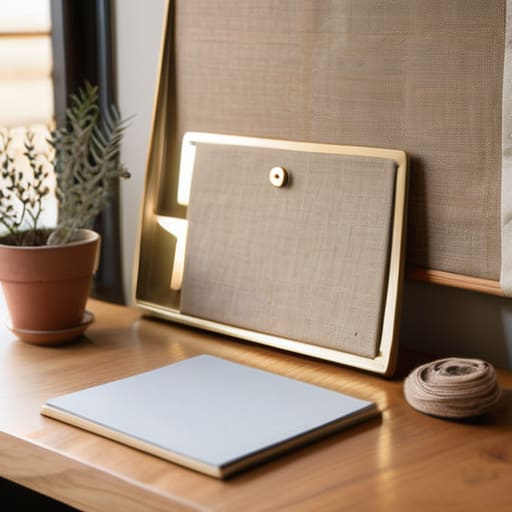
If you’re looking to move beyond the standard, utilitarian look of a traditional board, I highly recommend experimenting with a fabric wrapped cork board. There is something so incredibly soothing about introducing texture into your workspace. When I was working in the corporate world, my desk often felt cold and sterile, so I started incorporating more tactile elements to ground myself. By choosing a linen or a soft cotton print, you aren’t just making a functional tool; you are creating a sensory anchor that can help lower your cortisol levels during a stressful afternoon.
When you’re crafting a pin board with fabric, don’t be afraid to play with patterns that reflect your current mood or season. I love using muted earth tones to encourage a sense of calm, but a vibrant botanical print can work wonders for boosting creativity. This is one of my favorite office decor diy projects because it allows you to bridge the gap between professional organization and personal sanctuary. It’s these small, intentional touches that transform a mere workspace into a space that truly nurtures your soul.
Small Rituals for a Mindful Workspace: My Top 5 Tips for Your New Memo Board
- Curate with intention rather than clutter. It’s so tempting to pin up every stray scrap of paper, but I’ve found that a board becomes a source of anxiety rather than peace if it’s too crowded. Treat your board like a curated gallery of what truly matters—your big goals, a meaningful quote, or a single beautiful photo.
- Use color to anchor your emotions. In my time studying positive psychology, I’ve seen how color can shift our mental state. Try using soft, calming pastels for your long-term dreams and perhaps a pop of energizing citrus for your immediate daily tasks; it helps your brain categorize information without the stress of a formal list.
- Incorporate a “Gratitude Corner.” This is a little trick I learned back in my corporate wellness days. Dedicate one small corner of your board specifically for tiny wins or things you’re grateful for. It turns your memo board from a mere productivity tool into a daily touchstone for joy.
- Mind the tactile experience. Since we spend so much time in our digital worlds, I love adding something textural to my boards—maybe a piece of linen, a wooden clip, or even a dried sprig of lavender. Engaging your sense of touch as you pin a note can actually help ground you in the present moment.
- Schedule a “Board Reset” every Sunday. Just as we clear our physical desks, we need to clear our mental spaces. Take five minutes every week to remove the expired notes and old reminders. This ritual signals to your subconscious that you are moving forward, leaving the old clutter behind to make room for new possibilities.
Finding Your Flow: Small Steps Toward Mental Clarity
Remember that a memo board isn’t just about organization; it’s about creating a dedicated, physical space to offload mental clutter so your brain can finally breathe.
Don’t be afraid to infuse your workspace with personality—whether through fabric textures or vision boards, your environment should feel like a sanctuary that fuels your creativity rather than a source of stress.
Use your new board intentionally; treat it as a living tool for both your professional goals and your personal well-being to ensure you’re working smart, not just working hard.
The Intentionality of an Organized Space
“A memo board isn’t just a tool for managing tasks; it’s a physical boundary for your mental energy. When we move our scattered thoughts from the chaos of our minds onto a dedicated, beautiful space, we aren’t just organizing a desk—we are creating the quiet mental room we need to breathe, focus, and truly show up for ourselves.”
Sophia Reynolds
Finding Your Flow: Final Thoughts on Your New Creative Anchor
Whether you decided to go the route of a vibrant, vision-focused bulletin board or opted for the sophisticated, calming texture of a fabric-wrapped cork board, you’ve done more than just build a piece of office decor. You have intentionally constructed a tool to help manage the beautiful chaos of your daily life. By taking the time to craft something that resonates with your personal aesthetic, you’ve transformed a simple organizational necessity into a meaningful ritual. From the practical step-by-step assembly to the final decorative flourishes, each choice you made was a step toward reclaiming your mental clarity and creating a workspace that actually supports your well-being.
As you hang your new memo board and pin up those first few notes, I want you to remember that this isn’t just about tracking tasks or deadlines. It’s about creating a dedicated space to pause, breathe, and remind yourself of what truly matters. Let this board be a gentle anchor in your busy day—a place where your intentions meet your actions. I truly believe that when we design our environments with intention and grace, we pave the way for a life that feels both organized and deeply soulful. Now, take a deep breath, enjoy your beautiful new space, and go forth with purpose.
Frequently Asked Questions
I love the idea of a fabric-wrapped board, but how do I make sure the fabric stays taut and doesn't start sagging over time?
That is such a great question! I remember struggling with this during my first DIY project—there’s nothing more frustrating than seeing your hard work start to sag after just a week. To keep that fabric looking crisp and professional, the secret is in the tension. Use a heavy-duty staple gun and pull the fabric tight toward the center of each side before moving to the corners. Think of it like stretching a drumhead; steady, even pressure is everything!
Is there a way to make a memo board that feels more "zen" and less cluttered, especially if I'm someone who tends to over-schedule?
I completely hear you—I used to be the queen of the “over-scheduled” spiral! To find that Zen, try a Minimalist Floating Board. Instead of a massive cork sheet, use a small, sleek wooden magnetic board. Limit yourself to only three “active” cards at a time. By intentionally restricting what stays visible, you stop the visual noise from triggering anxiety, turning your board from a source of stress into a calm, focused anchor for your day.
What are some eco-friendly or sustainable materials I can use if I want to avoid buying a bunch of new plastic organizers?
I love that you’re thinking about this! It’s so easy to fall into the trap of buying “stuff” to fix “stuff,” but true wellness includes being mindful of our footprint. Instead of plastic, try repurposing wooden crates or even using old glass jars for small clips. You can also use natural twine and reclaimed wood for a rustic, earthy vibe. It feels so much more grounding to work with materials that have a soul and a story.