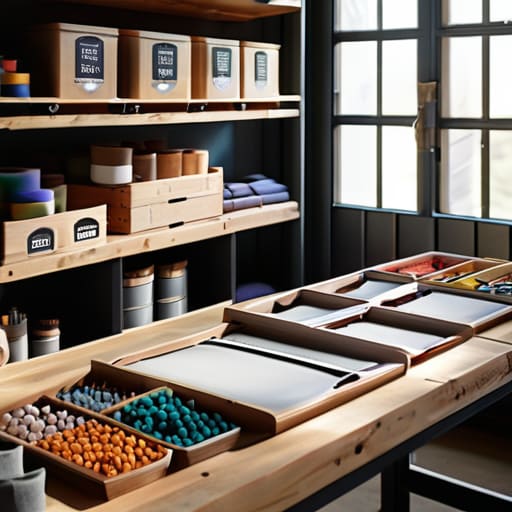
I still remember the frantic, caffeine-fueled chaos of my first corporate wellness role, standing in a supply room that felt more like a graveyard of wasted potential than an organized workspace. The air was thick with the scent of stale cardboard and the overwhelming sense of impending dread because we were constantly running out of the very things we needed to succeed. It wasn’t just about the missing items; it was the mental clutter and the frantic, reactive energy that follows when you don’t know what you actually have. I realized then that learning how to keep a materials inventory isn’t just a logistical chore—it is a fundamental act of reclaiming your mental bandwidth and creating space to breathe.
In this guide, I’m stripping away the intimidating, high-cost software jargon and the soul-crushing spreadsheets that no one actually has time to maintain. Instead, I’m going to share a mindful, sustainable approach to tracking your resources that honors both your productivity and your peace of mind. We are going to build a system that works with your natural rhythm, turning a source of stress into a foundation of flow.
Table of Contents
Finding Calm With Real Time Inventory Tracking

I remember a time during my corporate consulting days when I watched a brilliant operations manager spiral into burnout. It wasn’t the workload that broke her; it was the constant, nagging anxiety of the “unknown.” She never knew if she had enough supplies until the moment she actually needed them. That frantic energy is exactly what we want to avoid. By embracing real-time inventory tracking, you aren’t just managing numbers; you are reclaiming your mental bandwidth. When you have a clear, live window into what’s actually on your shelves, that low-level hum of panic begins to fade, replaced by a sense of grounded confidence.
Think of your data as a form of mindfulness for your business. Instead of reacting to crises, you can move into a proactive state of flow. Utilizing modern inventory management software allows you to see patterns before they become problems, much like how we notice subtle shifts in our own breath during meditation. This visibility is the secret to minimizing stockouts without the stress of constant manual checking. When you trust your system, you create the breathing room necessary to focus on the creative, high-level work that actually fulfills you.
Minimizing Stockouts to Protect Your Creative Flow

There is nothing quite as soul-crushing as being in the middle of a beautiful, productive rhythm only to realize you’ve run out of a fundamental supply. I remember a project back in my corporate days where a missing component brought an entire department to a grinding halt. That frantic, cortisol-spiking scramble to find a replacement is the ultimate enemy of deep work. By minimizing stockouts, we aren’t just managing numbers; we are protecting our mental bandwidth and ensuring our creative momentum remains uninterrupted.
To prevent those sudden “emergency” moments, I always suggest finding a healthy balance with your safety stock levels. It’s about creating a gentle buffer—a little breathing room that acts as a cushion for your peace of mind. Think of it as a rainy-day fund, but for your workspace. When you have that extra layer of security, you stop reacting to scarcity and start operating from a place of abundance and focus. It turns the chaos of supply shortages into a predictable, calm cadence that allows you to truly thrive in your craft.
Nurturing Your Workspace: 5 Rituals for Inventory Harmony
- Create a “low-stock” sanctuary by setting visual cues. I used to struggle with forgetting to reorder until it was too late, but I found that using colored tags or even a simple physical marker near your supplies acts as a gentle nudge to your brain, preventing that sudden spike of cortisol when you realize a crucial material is missing.
- Embrace the power of the “Weekly Reset.” Just like I set aside time for a Sunday meditation to clear my head, I recommend a twenty-minute weekly ritual to scan your shelves. It’s much less overwhelming to do a quick, mindful check once a week than to face a mountain of chaos at the end of the month.
- Designate a “Home” for everything. In my corporate days, I saw so many teams burn out because they were hunting for tools instead of using them. When every single item has a specific, labeled spot, you reduce the mental load of decision fatigue and create a sense of physical and psychological order.
- Audit with intention, not just obligation. Instead of viewing inventory counts as a chore, try to see them as a way to honor your craft. As you count, ask yourself: “What am I actually using, and what is just taking up space?” This helps you prune away the excess and make room for what truly fuels your productivity.
- Leverage “Micro-Documentation” to stay present. You don’t need a complex, soul-crushing spreadsheet to start. Even a simple, shared digital note where you jot down an item the moment you use the last of it can keep your momentum flowing without breaking your creative trance.
Small Shifts for a More Balanced Workflow
Embrace real-time tracking not just as a tool, but as a way to quiet the mental noise of “what if” and reclaim your focus.
Protect your creative energy by building a buffer into your stock levels, ensuring that a missing material never becomes a roadblock to your flow.
Remember that a mindful inventory system is a living rhythm; give yourself the grace to adjust your processes as your needs and passions evolve.
The Rhythm of Readiness
“Think of your inventory not as a list of items to manage, but as the heartbeat of your creative process; when you nurture your supplies with intention and care, you create the space for your true passion to breathe and flourish without interruption.”
Sophia Reynolds
Finding Your Rhythm in the Details

As we wrap up our journey through the complexities of material management, I want you to take a moment to breathe and realize that this isn’t just about counting boxes or checking off spreadsheets. By implementing real-time tracking and proactively minimizing those dreaded stockouts, you aren’t just managing “stuff”—you are actually protecting your mental energy. We’ve explored how a mindful, systematic approach to your inventory can transform a chaotic workspace into a sanctuary of efficiency. When you master the flow of your materials, you effectively remove the friction that so often leads to burnout, allowing you to reclaim your focus and move through your workday with a sense of ease and intentionality.
Remember, the goal here isn’t perfection; it’s about creating a sustainable rhythm that supports your long-term well-being. There will be days when the inventory feels overwhelming, but don’t let the clutter cloud your vision. Treat your organizational systems as an act of self-care for your professional self. When your environment is in harmony, your creativity has the space it needs to truly flourish. So, take that first small step today—whether it’s organizing one shelf or setting up a new tracking tool—and trust that you are building a foundation for a more fulfilling and balanced life. You’ve got this!
Frequently Asked Questions
How do I balance the need for organization with the reality of a busy, unpredictable workday?
I completely hear you—that tension between wanting order and facing the beautiful chaos of a real workday is so real. I used to struggle with this during my corporate years! My best advice? Don’t aim for rigid perfection; aim for “flexible systems.” Instead of a massive weekly audit, try micro-habits, like a five-minute “reset” before you head home. It’s about building a rhythm that breathes with you, rather than a cage that restricts you.
What are some gentle ways to stay consistent with inventory checks without feeling overwhelmed by the task?
I totally hear you—when a task feels like a mountain, it’s easy to just freeze. Instead of one massive, daunting audit, try “micro-checking.” Set a timer for just ten minutes a day to scan one specific shelf or category. It’s like a little mindfulness ritual for your workspace. By breaking it into bite-sized, manageable rhythms, you prevent that overwhelm from building up, turning a chore into a gentle, steady habit that protects your peace.
How can I involve my team in this process so it feels like a shared ritual rather than a chore?
I love that you’re thinking about this! To move away from the “chore” mentality, try turning inventory into a collaborative ritual. Instead of a solo task, host a “Stock Check Social”—maybe a quick fifteen-minute huddle with some good coffee or tea. Let everyone contribute their insights on what’s working or what’s missing. When the team helps shape the system, they aren’t just counting boxes; they’re nurturing the shared space that allows everyone to thrive.