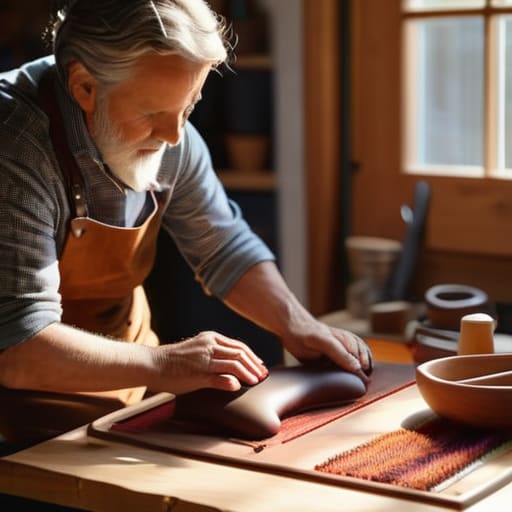
I still remember the exact moment I realized I was doing it wrong. I was hunched over a sprawling watercolor project in my sunlit Oregon studio, lost in the flow, when a sharp, biting ache bloomed right between my shoulder blades. I had spent hours ignoring the subtle signals, thinking that “pushing through” was just part of the creative process. But as I sat there, rubbing my stiff neck and realizing my passion was starting to feel like a chore, I learned a hard lesson: if we don’t learn how to protect your back at a craft table, our creativity will eventually be sidelined by physical burnout.
I’m not here to sell you some overpriced, high-tech ergonomic throne that promises to fix everything overnight. Instead, I want to share the real, grounded strategies I’ve gathered from years of studying wellness and, more importantly, from my own trial and error. We’re going to look at simple, intentional adjustments to your space and your posture that honor your body as much as your art. My goal is to help you create a setup where you can work with deep focus and sustained joy, without that nagging ache waiting for you at the end of the day.
Table of Contents
- Designing Your Sanctuary With Optimal Workspace Ergonomics
- The Quiet Magic of Lumbar Support for Crafters
- Small Shifts for Big Relief: My Top 5 Rituals for a Pain-Free Creative Flow
- Bringing the Harmony Home: Your Quick Guide to Mindful Crafting
- Listening to the Language of Your Body
- Nurturing Your Creative Spirit
- Frequently Asked Questions
Designing Your Sanctuary With Optimal Workspace Ergonomics
When I first started my journey into corporate wellness, I realized that many of us treat our creative spaces like afterthoughts, rather than the sacred sanctuaries they truly are. To build an ergonomic crafting setup that actually serves you, we need to look beyond just having a sturdy table. I always tell my clients to think about the “flow of energy” between their body and their tools. This means prioritizing optimal workspace ergonomics by ensuring your most-used items are within a comfortable reach, preventing that frantic, spine-twisting reaching that leaves us feeling depleted by sunset.
I’m also a huge advocate for investing in tools that adapt to you, rather than forcing your body to adapt to a rigid surface. For instance, I can’t stress enough the adjustable craft desk benefits when it comes to long-term spinal health; being able to slightly tilt your work surface can be a total game-changer for preventing neck strain while crafting. If you’re working at a standard desk, consider adding a small cushion to provide much-needed lumbar support for crafters. It’s those tiny, intentional adjustments that transform a workspace from a source of tension into a place of true restoration.
The Quiet Magic of Lumbar Support for Crafters
I remember a season in my life when I was so deeply immersed in a new quilting project that I’d lose track of hours. By the time I’d stand up, my lower back felt like it had been through a marathon I never signed up for. I realized then that I wasn’t just losing my posture; I was losing my joy for the craft. This is where the quiet magic of lumbar support for crafters comes into play. It isn’t just about a fancy chair; it’s about creating a physical foundation that allows your nervous system to stay calm while your hands are busy.
When we sit without proper support, our pelvis tends to tilt, forcing the spine into a stressful curve. By integrating a dedicated lumbar cushion or choosing a chair designed for stability, you’re essentially giving your spine a gentle, continuous hug. This small adjustment does wonders for maintaining an ergonomic crafting setup, ensuring that the tension doesn’t migrate from your lower back up into your shoulders. When your base is supported, you can truly settle into your creative flow without that nagging, distracting ache pulling you away from your masterpiece.
Small Shifts for Big Relief: My Top 5 Rituals for a Pain-Free Creative Flow
- The “Micro-Break” Movement: I used to think I could power through a four-hour knitting session, but my back quickly disagreed. Now, I set a gentle timer every 30 minutes to simply stand up, reach for the ceiling, and let my spine decompress. It’s not lost time; it’s an investment in your longevity.
- Mindful Eye-Level Alignment: We often lean in closer to our work when we’re focused, which leads to that dreaded “tech neck” or hunching. Try elevating your project with a slanted board or a sturdy stand. Bringing your craft closer to your eyes keeps your neck neutral and your posture proud.
- The Power of the “Active Seat”: Instead of sinking into a soft, slouchy sofa, opt for a chair that encourages a little bit of engagement. A stool that allows your hips to stay slightly above your knees can keep your pelvis in a more natural position, preventing that dull ache at the base of your spine.
- Footwork Matters: It sounds simple, but if your feet are dangling or tucked under your chair, it puts immense pressure on your lower back. Keep both feet flat on the floor—or use a small footrest—to create a stable foundation that supports your entire skeletal structure while you work.
- Listen to the “Whispers” of Tension: My favorite wellness tip is to treat physical tension like a signal rather than an annoyance. If you feel a tightness in your mid-back, don’t wait for it to become a roar of pain; pause immediately, take three deep diaphragmatic breaths, and reset your posture. Your body is communicating with you—honor it.
Bringing the Harmony Home: Your Quick Guide to Mindful Crafting
Listen to your body’s subtle whispers; if you feel that familiar ache creeping in, it’s not a sign to push through, but a gentle invitation to adjust your posture or take a restorative breath.
Transform your workspace from a mere station into a true sanctuary by prioritizing ergonomic alignment, ensuring your setup supports your creative flow rather than draining your physical energy.
Remember that true productivity is born from balance, so integrate small, mindful movement breaks into your crafting rhythm to honor both your passion and your long-term well-being.
Listening to the Language of Your Body
“Your craft table shouldn’t be a place where you sacrifice your physical peace for your creative passion; instead, think of your posture as a way of honoring the body that allows you to create in the first place.”
Sophia Reynolds
Nurturing Your Creative Spirit
As we wrap up our journey toward a more mindful workspace, remember that protecting your back is about much more than just adjusting a chair or fixing your monitor height. It’s about the intentional integration of ergonomics, the soothing support of lumbar cushions, and the rhythmic practice of mindful movement throughout your session. By curating a workspace that honors your physical needs, you aren’t just preventing future aches; you are actively building a sustainable environment where your passion can flourish without the interruption of pain. Let’s commit to making those small, intentional adjustments—the tiny shifts in posture and the frequent stretches—that serve as a profound act of self-care for the artist within.
At the end of the day, your creativity is a precious gift, and your body is the vessel that allows you to share it with the world. Please, don’t view these ergonomic shifts as chores or extra steps in your process, but rather as a way to honor the beautiful connection between your mind and your craft. When you listen to what your body is telling you, you create space for even deeper flow and more vibrant expression. So, take a deep breath, roll those shoulders back, and remember that living well is the ultimate foundation for creating well. I can’t wait to see what you create next, feeling strong, supported, and completely at peace.
Frequently Asked Questions
I love my standing desk, but how do I know if I'm standing too long or if I should be sitting instead?
I completely hear you—the “standing desk struggle” is so real! I used to think more standing meant more productivity, but my body eventually staged a protest. The secret isn’t choosing one over the other; it’s about movement. Listen to those subtle cues: if your lower back feels tight or your feet start to ache, that’s your body asking for a seat. Aim for a dynamic flow, switching positions every 30 to 60 minutes to keep your energy balanced.
Are there specific stretches I can do right at my craft table to release tension without having to stop my flow entirely?
I completely hear you—sometimes, stepping away feels like breaking a beautiful creative spell. When you feel that tightness creeping in, try a seated spinal twist: simply place one hand on the opposite knee and gently turn your torso, breathing deeply into your ribs. You can also do “shoulder shrugs” or gentle neck rolls. These tiny, mindful micro-movements allow you to honor your body’s signals without losing that precious creative momentum.
My craft projects often require me to lean in really close—how can I manage that without sacrificing my posture?
I completely hear you—I used to do the exact same thing with my old sketchbook, practically nose-to-paper! When we lean in, we’re subconsciously trying to find focus, but we end up “turtling” our necks. Try bringing the work to you rather than you to the work. Using a tilted drafting board or a simple wedge can bring your project closer to eye level, allowing you to stay deeply immersed without losing that vital spinal alignment.