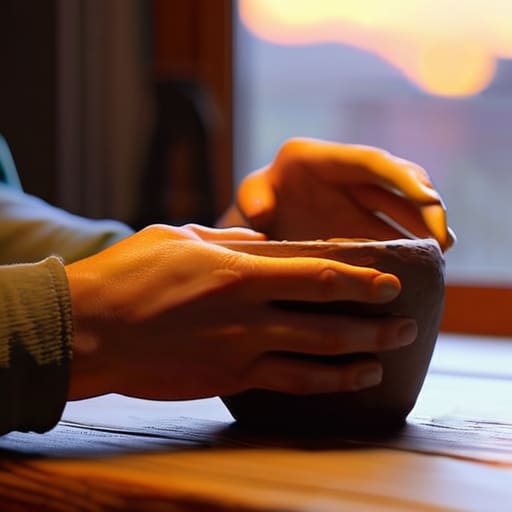
I still remember sitting on my floor in a tiny, overpriced San Francisco apartment, staring at a glowing laptop screen at 11:00 PM, my brain feeling like a browser with fifty tabs open and none of them responding. I was exhausted, yet I couldn’t stop the mental loop of emails and deadlines. I tried the “standard” advice—meditation apps, expensive weighted blankets, the whole works—but nothing touched that frantic, buzzing energy in my chest. It wasn’t until I picked up a discarded piece of clay and just started moving my hands that I realized I had been looking for stillness in all the wrong places. I didn’t need more silence; I needed a way to channel the noise, and that’s when I truly discovered how to use making as a wind down to reclaim my headspace.
I’m not here to sell you a $200 mindfulness kit or tell you that you need to become a master sculptor to find peace. Instead, I want to share what I’ve learned from years of studying positive psychology and, more importantly, from my own messy trial and error. We are going to explore how simple, tactile creativity can act as a bridge between chaos and calm. I promise to give you honest, low-pressure ways to integrate small acts of creation into your evening, helping you finally quiet the mental chatter and actually enjoy your downtime.
Table of Contents
Embracing Mindful Crafting for Anxiety Relief
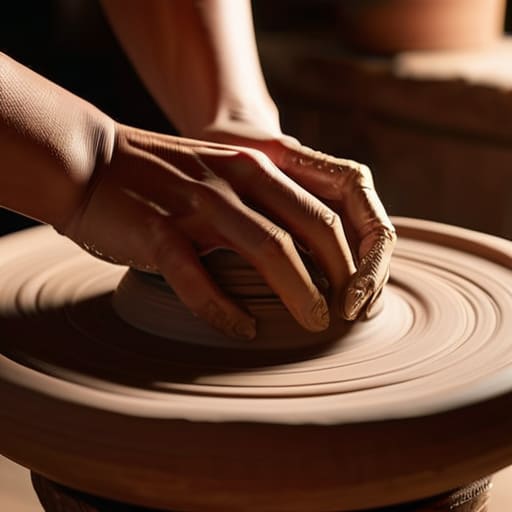
I remember a particularly frantic season in my corporate consulting days when my brain felt like it had fifty browser tabs open at once. Even lying in bed, my mind was racing through emails and deadlines. I realized then that I couldn’t just “force” myself to be calm; I needed to give my hands something to do to quiet my head. This is where mindful crafting for anxiety relief truly changed the game for me. By shifting my focus from the abstract chaos of my thoughts to the physical sensation of yarn or clay, I could finally ground myself in the present moment.
When we engage in these types of tactile activities for stress reduction, we are essentially telling our nervous system that it is safe to downshift. There is something deeply restorative about the repetitive motion of knitting or the rhythmic sanding of wood. These acts facilitate a gentle creative flow state before sleep, acting as a bridge between the high-octane energy of the workday and the stillness required for rest. It isn’t about creating a masterpiece; it’s about the soothing magic of simply being present through your hands.
Sensory Engagement for Relaxation and Peace
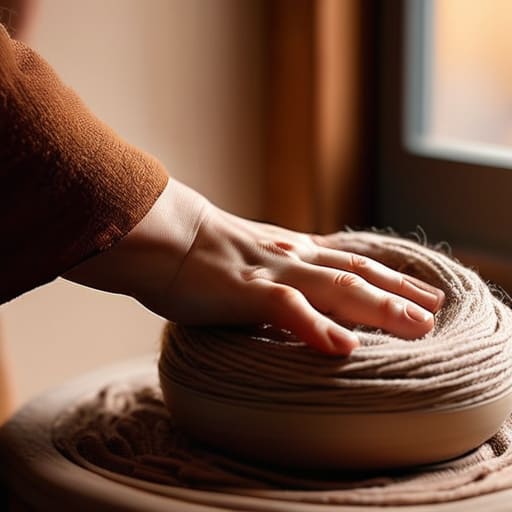
There is something almost magical about the way our hands can quiet a racing mind. When I was working those grueling hours in corporate consulting, my brain would often feel like a browser with fifty tabs open, all playing different music at once. I found that shifting my focus from abstract, digital stressors to something physical—like the weight of a ceramic bowl or the texture of thick, woolen yarn—was a total game-changer. Engaging in tactile activities for stress reduction acts as a grounding mechanism, pulling you out of that swirling mental loop and back into your physical body.
It’s not about producing a masterpiece; it’s about the sensory engagement for relaxation that happens in the process. Think about the rhythmic click of knitting needles or the cool, smooth sensation of clay between your fingers. These sensations provide a gentle anchor, helping you transition into a creative flow state before sleep without the overstimulation of a glowing screen. By focusing on the here and now through touch, you’re essentially giving your nervous system a permission slip to finally let go.
Small Rituals to Help You Transition from "Do" to "Be"
- Ditch the perfectionism and embrace the “ugly” stage. I used to get so caught up in making something beautiful that I’d end up more stressed than when I started. Remind yourself that this isn’t a side hustle or a performance; it’s just for you. Let the stitches be uneven or the clay be lumpy—that’s where the magic of letting go actually happens.
- Set a “digital sunset” before you pick up your tools. It’s hard to find your flow if you’re still reacting to that last work email pinging on your phone. I’ve found that putting my phone in another room about thirty minutes before I start knitting or painting creates a sacred space where my brain finally realizes the workday is officially over.
- Curate a “winding down” sensory playlist. Sound is such a powerful anchor for our nervous systems. I love pairing my watercolor sessions with low-fi beats or soft ambient nature sounds. It signals to my brain that we are moving out of high-alert mode and into a space of gentle, rhythmic movement.
- Keep your supplies easily accessible to lower the barrier to entry. There is nothing that kills a moment of peace like digging through a cluttered closet for your supplies when you’re already feeling exhausted. I keep a small, dedicated basket of my current project right by my favorite reading chair so I can transition into my creative flow without any friction.
- Focus on the rhythm, not the result. There’s a beautiful concept in positive psychology about “flow,” and in crafting, it often comes from the repetitive motions—the steady needlework, the rhythmic sanding of wood, or the sweeping of a brush. When you find that cadence, stop worrying about the finished product and just lean into the soothing, predictable motion of your hands.
Finding Your Rhythm: Small Ways to Bring Making into Your Evening
Don’t aim for perfection; the goal of a wind-down craft isn’t to create a masterpiece for Instagram, but to give your brain a gentle, tactile way to transition away from the digital noise of the workday.
Keep your “making kit” easily accessible—whether it’s a sketchbook, a knitting bag, or a set of watercolors—so you don’t face the friction of searching for supplies when your energy is already low.
Listen to your body’s cues to find your ideal “flow” activity, choosing something that feels like a soothing ritual rather than another task on your never-ending to-do list.
The Rhythm of the Hands
“When my mind is racing with tomorrow’s to-do list, I’ve found that nothing grounds me quite like the tactile rhythm of creating something by hand; it’s not about the finished product, but about that sacred, quiet space where your hands are busy and your soul can finally catch its breath.”
Sophia Reynolds
Finding Your Rhythm in the Making
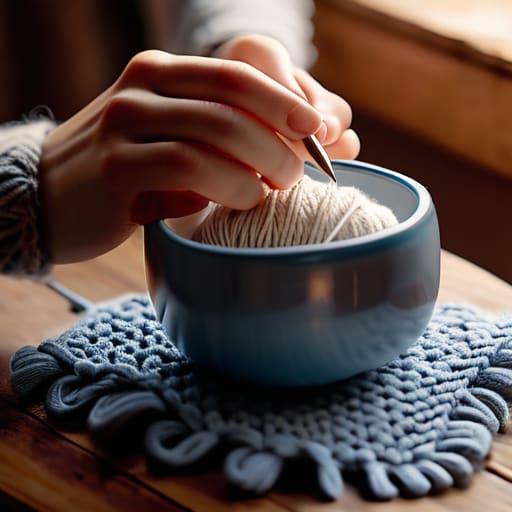
As we wrap up our exploration of mindful making, I hope you can see that picking up a crochet hook, a paintbrush, or even a piece of clay isn’t just about the final product. It’s about the intentional shift from the high-octane demands of your workday to a state of gentle presence. We’ve talked about how these activities can act as a powerful anchor for anxiety, how engaging your senses can quiet a racing mind, and how the simple rhythm of creation can signal to your nervous system that it is finally safe to rest. By integrating these tactile rituals into your evening, you aren’t just “doing a hobby”—you are actively reclaiming your peace from the chaos of a world that never seems to stop.
If I could leave you with one thought tonight, it’s this: please be kind to yourself during the process. Your crafts don’t need to be masterpieces to be meaningful; in fact, the “imperfections” are often where the most healing happens. Whether you’re knitting a lumpy scarf or sketching messy lines in a notebook, remember that you are simply showing up for yourself. This is your time to pause, breathe, and reconnect with the person beneath all those professional titles and to-do lists. Go ahead, pick up that tool, and let the making begin. You deserve this moment of stillness.
Frequently Asked Questions
I'm not particularly creative or "artsy"—does that mean I won't get the same relaxation benefits from crafting?
Oh, I hear this so often, and I want to give you a huge virtual hug because it’s such a common misconception! Honestly? You don’t need to be “artsy” to reap the rewards. When I first started my wellness journey, I was terrible at everything creative. But here’s the secret: we aren’t crafting for an art gallery; we’re crafting for our nervous systems. It’s about the process, not the product. Just focus on the movement.
How much time should I actually dedicate to a craft project before it starts feeling like another "to-do" item on my list?
This is such a common trap! I remember when I first started knitting, I’d treat it like a deadline, and instead of relaxing, I’d just feel more stressed. Honestly? There is no magic number. If you find yourself checking the clock or feeling “guilty” for not finishing a row, that’s your cue to stop. Even fifteen minutes of intentional, joyful making is better than an hour of forced labor. Listen to your body, not your checklist.
Is there a risk that getting too absorbed in a complex project might actually wake my brain up instead of helping me wind down?
That is such a perceptive question! Honestly, it’s something I struggled with back when I was working those high-stress corporate roles. If you dive into a project that requires intense problem-solving or high-stakes precision, you might inadvertently trigger your “flow state” too deeply, which can actually spike your cortisol. To keep it restorative, I recommend choosing “low-stakes” making—think repetitive motions like knitting or sketching—rather than something that feels like another deadline to meet.