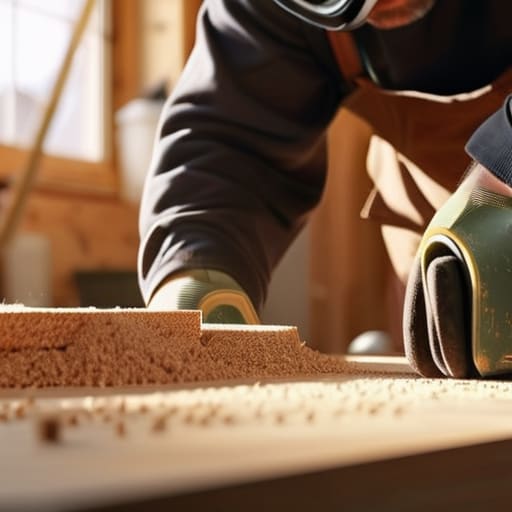
I still remember the first time I tried to tackle a weekend DIY project in my small Oregon backyard. I was so caught up in the rhythm of the work that I completely ignored the aggressive, high-pitched whine of the circular saw, thinking I could just “power through” it. By the time I finished, my ears weren’t just ringing; they felt completely disconnected from the world around me. It was a jarring wake-up call that many of us face: we often treat our senses as invincible, forgetting that learning how to protect hearing when using tools isn’t just a safety checkbox, but a vital way to preserve our connection to the sounds we love.
I’m not here to sell you on some overpriced, high-tech gadgetry that promises miracles but delivers nothing. Instead, I want to share the practical, science-backed, and truly sustainable ways to guard your auditory health without making your workflow feel like a chore. We’re going to dive into real-world strategies that respect both your productivity and your long-term well-being, ensuring you can keep enjoying the symphony of life for decades to come.
Table of Contents
Understanding the Hidden Decibel Levels of Power Tools
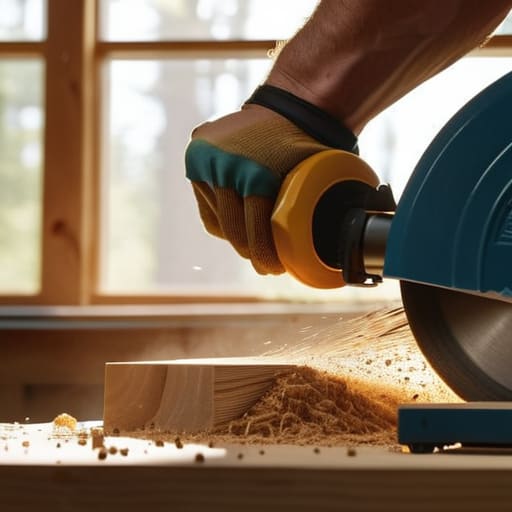
When I first started consulting for corporate wellness programs, I realized many people view noise as just an annoying byproduct of a productive day. But there’s a subtle danger in that mindset. We often underestimate the decibel levels of power tools, assuming that if a sound doesn’t feel “painful,” it isn’t doing damage. In reality, many common workshop tools operate at levels that can trigger gradual, irreversible changes in your auditory system long before you notice a single ring in your ears.
It’s easy to get swept up in the flow of a project, but staying mindful of occupational noise exposure risks is a vital part of your long-term well-being. Think of it like this: just as we wouldn’t ignore a slow leak in a pipe, we shouldn’t ignore the cumulative impact of high-frequency vibrations on our delicate inner ear. Understanding that even a standard drill can reach levels that necessitate protection allows you to approach your craft with a sense of intentionality and care, ensuring your passion for building remains a joy for decades to come.
Navigating the Risks of Occupational Noise Exposure
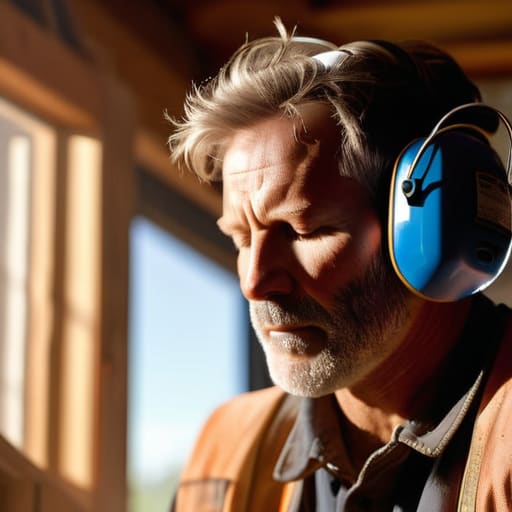
When we talk about the workplace, we often focus so much on physical safety—like wearing gloves or goggles—that we overlook the invisible thief: sound. The occupational noise exposure risks aren’t always immediate; you won’t necessarily feel a “wound” when a saw whirs to life. Instead, it’s a gradual, silent erosion of your ability to hear the world. I remember my time as a corporate wellness consultant, seeing so many professionals realize too late that their constant exposure to high-frequency machinery had left them with a permanent, frustrating ringing in their ears.
It is so easy to fall into the trap of thinking, “It’s just for a few minutes,” but cumulative damage is a very real thing. This is where understanding noise-induced hearing loss prevention becomes a vital act of self-care rather than just a chore. It’s about honoring your future self. Whether you are a DIY enthusiast in your garage or a professional on a job site, treating sound management as a non-negotiable part of your workflow is how you ensure you can continue to enjoy the symphony of life—from your favorite music to the laughter of loved ones—for decades to come.
Gentle Rituals for Sound-Safe Productivity
- Invest in high-quality, comfortable ear protection that you actually want to wear. I remember back in my corporate days, I’d skip the noise-canceling gear because it felt cumbersome, but I quickly learned that a good pair of earmuffs is just as essential to your toolkit as a sturdy hammer.
- Practice the “Distance is Your Friend” rule. Whenever possible, try to move your workstation or your body just a few feet away from the loudest machinery; even a small amount of physical space can significantly drop the decibel impact on your ears.
- Make a habit of checking your equipment for wear and tear. A dull saw or a loose vibrating part doesn’t just make your job harder—it actually creates a higher, more piercing pitch that’s much harsher on your auditory system.
- Create “Quiet Zones” in your workflow. Between intense bursts of tool use, step away into a silent space to let your nervous system reset. Think of it as a mini-meditation for your ears; it prevents the cumulative fatigue that comes from constant noise.
- Always double up when the job gets intense. If you’re working with particularly heavy-duty machinery, don’t be afraid to layer earplugs underneath earmuffs. It might feel like overkill, but protecting your ability to hear the world’s subtle beauties is always worth the extra layer.
Small Steps for a Lifetime of Sound
Treat your hearing protection as a non-negotiable part of your ritual; just as you wouldn’t start a workout without stretching, never start a project without your earplugs or muffs.
Listen to your body’s subtle cues, like a ringing in your ears or a strange pressure, as these are your internal signals telling you it’s time to pause, step away, and give your senses a moment of quiet.
Invest in quality gear that actually feels good to wear, because when your protection is comfortable, you’re far more likely to make self-care a consistent, effortless habit rather than a chore.
Tuning Into Your Well-being
“We often think of ear protection as just another piece of safety gear, like goggles or gloves, but I like to see it differently: it’s a way of honoring your senses. When you choose to wear those earmuffs, you aren’t just following a rule; you’re making a conscious decision to protect your ability to hear the laughter of your loved ones and the quiet rhythms of a peaceful life long after the workday is done.”
Sophia Reynolds
Protecting Your Most Precious Sense
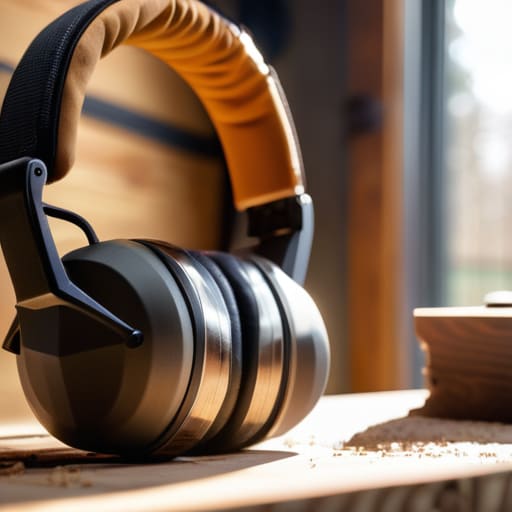
As we wrap up our look at the noise landscape of your workshop or job site, I hope you see that protecting your ears isn’t just another safety checklist item—it’s a vital part of your long-term wellness. We’ve explored how even the tools that feel “quiet” can harbor dangerous decibel levels and how cumulative exposure can silently chip away at your quality of life. By choosing the right earplugs, investing in high-quality muffs, and being mindful of your environment, you are essentially building a buffer between your hard work and permanent damage. Remember, being proactive about hearing protection is much easier than trying to reclaim a sense that has already faded.
At the end of the day, I want you to remember why this matters so much. We work hard to build, to create, and to provide, but the true reward of a life well-lived is being able to fully experience it. I want you to be able to hear the laughter of your loved ones, the rustle of the wind through the Oregon pines, and your favorite songs without any distortion. Don’t let the roar of a motor steal the symphony of your life. Take that extra moment to gear up, breathe, and honor your ability to listen to the world around you. You deserve to hear every beautiful note.
Frequently Asked Questions
I know I should wear earplugs, but how do I actually know if they're fitting correctly enough to provide real protection?
I completely hear you—it’s one thing to put them in, but another to know they’re actually doing their job. I used to struggle with this too! A quick trick I learned is the “tug test.” Once your foam plugs are rolled tight and inserted deep, gently tug on the lower part of your ear upward and backward while inserting. If they feel snug and you notice your own voice sounds slightly muffled or “occluded,” you’re likely golden.
Is it possible to overprotect my hearing, or can wearing earmuffs all the time actually cause other issues like spatial awareness problems?
That is such a perceptive question! It’s easy to fall into the “more is better” trap, but yes, overprotection is a real thing. When we completely isolate ourselves from sound, we can lose our sense of spatial awareness, which can actually be a safety risk in a busy workshop. Think of it like mindfulness: we want to find that “sweet spot” of protection that keeps us safe without disconnecting us from the environment around us.
If I've already been working with loud tools for years, are there specific signs I should look for to know if I've already done some permanent damage?
It’s a heavy realization to face, but please, be gentle with yourself as you navigate this. Listen closely to your body: do you experience a persistent ringing in your ears, or perhaps find that conversations feel muffled, like you’re underwater? If you’re constantly asking people to repeat themselves, your ears might be sending a distress signal. Recognizing these subtle whispers from your senses is the first step toward reclaiming your auditory wellness.