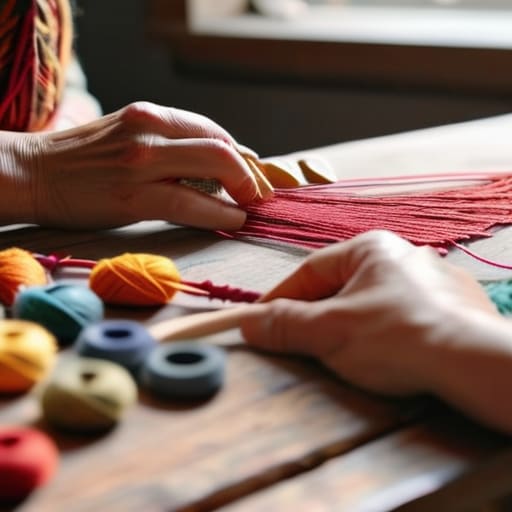
Have you ever sat down with a beautiful pile of yarn or a fresh set of watercolors, only to feel that immediate, heavy ache in your joints telling you to just stop? It’s such a heartbreaking disconnect—your mind is buzzing with creative energy, but your hands just aren’t following orders. I remember a Tuesday evening in my old apartment, staring at a half-finished knitting project and feeling a genuine sense of grief because my fingers felt too stiff to hold the needles. When we talk about how to craft with limited mobility, the internet often pushes these incredibly expensive, high-tech gadgets that feel more like medical equipment than tools for joy. But I think we can do better than that.
I’m not here to sell you a lifestyle overhaul or a suite of complicated contraptions you’ll never use. Instead, I want to share some gentle, practical shifts—from ergonomic tweaks to mindful pacing—that actually work in the real world. My goal is to help you rediscover that meditative flow without the physical burnout. We’re going to explore how to honor your body’s boundaries while still nurturing your creative spirit, ensuring that your passion remains a source of peace rather than a source of pain.
Table of Contents
- Embracing Adaptive Art Techniques for a Gentle Flow
- Discovering Joy Through Low Impact Creative Hobbies
- Small Shifts, Big Impact: My Favorite Ways to Keep the Creative Spark Alive
- Finding Your Rhythm: Small Shifts for Big Joy
- Redefining the Creative Rhythm
- Finding Your New Rhythm
- Frequently Asked Questions
Embracing Adaptive Art Techniques for a Gentle Flow
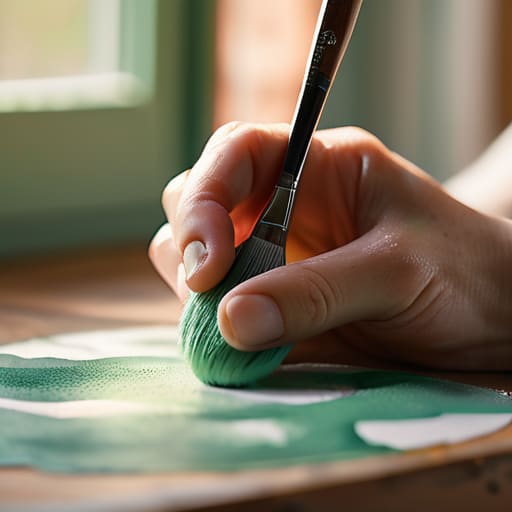
When I first transitioned from the high-stress corporate world to focusing on wellness, I realized that creativity isn’t about the intensity of the output, but the intention behind the movement. If you’re navigating joint stiffness or fatigue, the secret lies in shifting your focus toward adaptive art techniques that prioritize your comfort over perfection. I often tell my clients that we need to listen to our bodies’ whispers before they become screams. This might mean swapping a fine-tipped brush for a thicker, foam-grip tool or experimenting with watercolor washes that require much less pressure than heavy acrylics.
Another game-changer is investing in ergonomic crafting supplies designed to reduce strain. I remember a particularly tough week where my hands felt so inflamed I thought I’d have to hang up my knitting needles for good. It wasn’t until I started using specialized foam grips and weighted tools that I found my rhythm again. It’s about creating a workspace that supports you, rather than fighting against your physical limitations. By choosing low-impact creative hobbies and the right tools, you can keep that beautiful creative spark alive without the physical toll.
Discovering Joy Through Low Impact Creative Hobbies
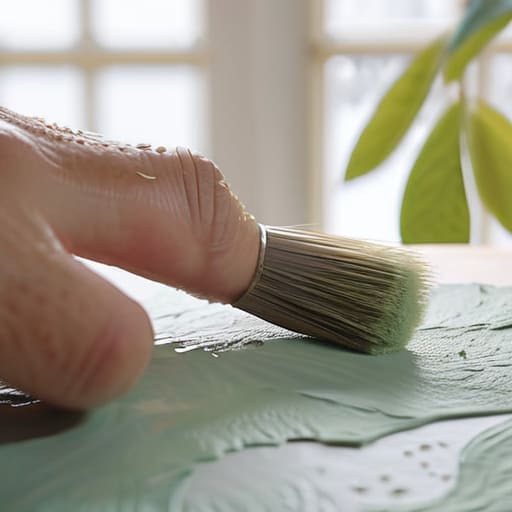
Sometimes, when my own joints were feeling particularly stiff after a long yoga session, I realized that the goal isn’t just about the finished product—it’s about the peace found in the process. If traditional needlepoint or heavy sculpting feels like too much of a physical tax right now, I invite you to explore low-impact creative hobbies that prioritize gentle movement. Think about watercolor painting, where the brush glides almost weightlessly across the paper, or even digital illustration using a tablet. These activities allow you to express your inner world without the strain of gripping heavy tools, making them wonderful options for sensory friendly crafting when you need to soothe a busy mind.
I’ve also found that leaning into assistive technology for makers can be a total game-changer for your mental well-being. Whether it’s using a specialized stylus or even simple voice-to-text software for journaling, these tools bridge the gap between your vision and your physical capacity. Remember, your creativity isn’t tied to how much force you can apply; it’s tied to the spark of your imagination. Let’s find the paths that allow that spark to shine without the burnout.
Small Shifts, Big Impact: My Favorite Ways to Keep the Creative Spark Alive
- Listen to your body’s rhythm. I used to push through the stiffness when I was in the corporate grind, but I’ve learned that if your joints are feeling a bit protesty, it’s okay to step away. Try working in shorter, 15-minute bursts rather than one long marathon session; your hands will thank you later.
- Curate a “comfort station” for your crafts. Think of it as setting the stage for success. I always keep an ergonomic cushion for my wrists and a warm compress nearby. Having your most-used tools within easy reach—without having to stretch or strain—makes a world of difference in how long you can enjoy your hobby.
- Lean into the magic of adaptive tools. There is absolutely no shame in upgrading your toolkit! I’ve found that weighted pens, easy-grip crochet hooks, and even those wonderful foam tubing grips can transform a frustrating task into a meditative one. It’s not about changing what you do, but changing how you hold onto it.
- Focus on the process, not the perfection. In my psychology studies, we talked a lot about “flow,” and that state of mind is much easier to reach when you aren’t judging every movement. If a certain stitch or brushstroke feels too taxing today, let it be imperfect. The goal is the joy of the creation, not a flawless end product.
- Create a sensory-friendly environment. Sometimes, physical discomfort is amplified by mental clutter. I love pairing my crafting with a calming playlist or a gentle aromatherapy diffuser. When you soothe your nervous system, you often find that your physical tension begins to soften right along with it.
Finding Your Rhythm: Small Shifts for Big Joy
Remember that your creativity isn’t defined by your physical output, but by the intention and presence you bring to the process.
Don’t be afraid to pivot; switching to adaptive tools or lower-impact hobbies isn’t “giving up,” it’s actually a brilliant way to honor your body’s current needs.
Listen to your body’s cues as much as your creative impulses—true fulfillment comes from finding that sweet spot where passion meets physical comfort.
Redefining the Creative Rhythm
“Creativity isn’t measured by the strength of our grip or the speed of our hands, but by the intention we pour into every movement. When our bodies ask us to slow down, it’s not an end to our artistry—it’s an invitation to craft with more presence, more patience, and a much deeper connection to the joy of making.”
Sophia Reynolds
Finding Your New Rhythm
As we wrap up our journey through these adaptive strategies, I want you to take a moment to reflect on how far you’ve come just by being willing to explore. We’ve talked about the importance of embracing new tools to ease physical strain, pivoting toward low-impact hobbies that nourish your spirit without taxing your joints, and most importantly, listening to what your body actually needs in the moment. Whether it’s through specialized ergonomic grips or simply shifting your focus to a more meditative, slower-paced medium, remember that the goal isn’t to force your old way of creating, but to evolve alongside your changing needs.
At the end of the day, your worth as a creator isn’t measured by the speed of your hands or the complexity of your projects, but by the intention and love you pour into every single stitch, brushstroke, or bead. I remember a time during my corporate years when I felt like if I wasn’t moving at a hundred miles an hour, I was failing; but I learned that the most profound growth happens when we finally give ourselves permission to slow down. So, please, be gentle with yourself. Let your creativity be a sanctuary, not a source of stress, and remember that your unique light shines brightest when you are crafting from a place of peace and presence.
Frequently Asked Questions
Are there specific ergonomic tools or grips you'd recommend for someone dealing with significant arthritis in their hands?
Oh, I completely hear you. When arthritis flares up, those tiny, traditional tools can feel like they’re working against you rather than with you. I always suggest looking into foam tubing; you can slip it over pens or crochet hooks to create a much thicker, softer grip that requires way less squeeze. Ergonomic scissors with spring-action assistance are also a game-changer. Remember, it’s not about pushing through the pain—it’s about adapting so your creativity can breathe.
How can I manage the frustration or emotional toll when my body just won't let me create the way I used to?
I hear you, and I want you to know that what you’re feeling is so incredibly valid. It’s a form of grief, really—mourning the version of yourself that could create without restraint. When that frustration bubbles up, try not to fight it. Instead, take a breath and practice some radical self-compassion. Remind yourself that your worth isn’t tied to your output, but to the beautiful spirit behind the craft. Be gentle with your heart today.
Can you suggest some ways to set up a crafting space that minimizes physical strain during longer sessions?
Setting up your sanctuary is all about working with your body, not against it. I always suggest prioritizing ergonomics: try an adjustable chair with lumbar support and ensure your workspace is at a height where you aren’t hunching. A little tip from my yoga days—incorporate “micro-breaks” by using a footrest to keep your circulation flowing. Creating a space that feels supportive physically allows your creative spirit to truly wander without the distraction of discomfort.