I can still smell the sharp, stinging scent of spilled tempera paint and feel the frantic energy of my living room floor from three years ago. I was sitting there, surrounded by half-finished macaroni necklaces and glue sticks that had long since dried out, feeling my own pulse quicken as my niece struggled to thread a single bead. I realized then that I wasn’t actually teaching her a skill; I was just managing her chaos while fighting my own urge to “just do it for her” so we could move on to the next thing. Learning how to teach a child a craft patiently isn’t about the finished masterpiece sitting on the fridge; it’s about navigating those messy, frustrating middle moments without losing your cool or your connection to them.
In this post, I’m moving past the Pinterest-perfect illusions to give you some real, grounded strategies. We aren’t going to talk about expensive kits or rigid curriculums; instead, I want to share how you can use these creative moments to build emotional resilience in both you and your little one. I promise to give you honest, experience-based tools to help you embrace the slow rhythm of creation, turning potential meltdowns into meaningful lessons in mindfulness.
Table of Contents
- Nurturing Growth Through Developmental Milestones for Creative Play
- Setting Realistic Craft Expectations to Protect Their Joy
- Five Gentle Ways to Keep the Creative Spark Alive
- Embracing the Journey Over the Result
- The Heart of the Process
- Embracing the Messy, Beautiful Process
- Frequently Asked Questions
Nurturing Growth Through Developmental Milestones for Creative Play
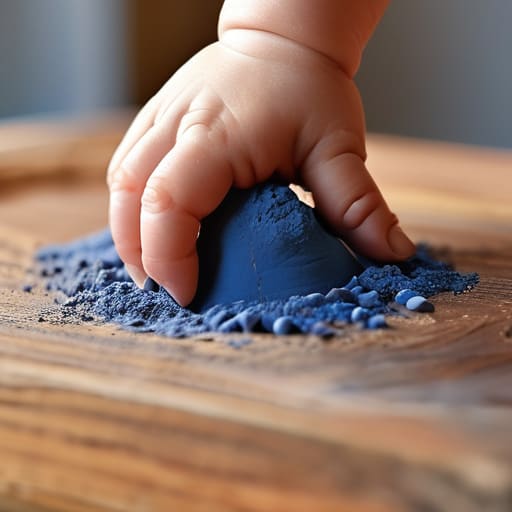
When we approach crafting with our little ones, I find it so helpful to view it through the lens of their current stage of life. It’s not just about the finished product—which, let’s be honest, might just be a glorious blob of blue paint—but about honoring their developmental milestones for creative play. For instance, a toddler is often more interested in the tactile sensation of squishing clay than in sculpting a specific animal. If we try to force a specific outcome too early, we miss that beautiful window of discovery.
As they grow, our role shifts slightly toward encouraging fine motor skills in kids by introducing more precise tools, like safety scissors or smaller beads. This is also where I often see a spike in emotions. I remember a particularly tough afternoon during my own transition into motherhood when a simple coloring session turned into a meltdown. Learning to navigate managing toddler frustration during art is such a vital part of the process. Instead of rushing to “fix” the frustration, I’ve learned to simply sit with them, validate that feeling, and perhaps pivot to something more sensory-driven to help them reset.
Setting Realistic Craft Expectations to Protect Their Joy
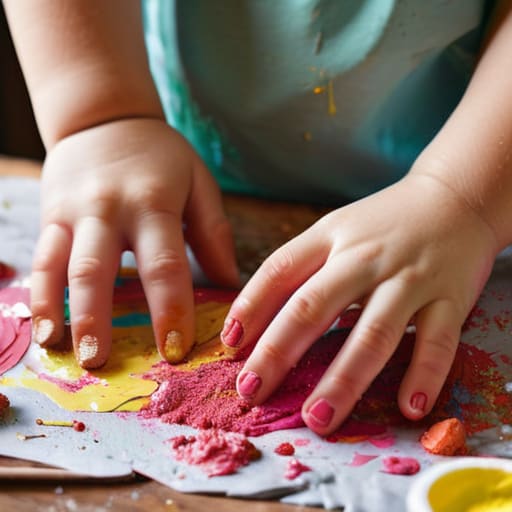
I remember a rainy Tuesday back in my early days of coaching when a client shared how she felt like a “failure” because her four-year-old ended up wearing more glitter than the paper. It’s so easy to fall into the trap of wanting that Pinterest-perfect result, but we have to remember that for a child, the process is the entire point. When we focus too much on the finished product, we inadvertently signal that the result matters more than their effort. Setting realistic craft expectations means accepting that the “masterpiece” might actually be a beautiful, chaotic smudge of primary colors.
To keep the magic alive, I always suggest pivoting toward sensory-friendly crafting activities when things feel a bit too intense. If you notice the tension rising, it might be a sign to move away from precision tasks and toward something more tactile, like finger painting or clay. By lowering the stakes, you create a safe space where mistakes aren’t failures—they’re just part of the exploration. This approach is a wonderful way of encouraging fine motor skills in kids without the heavy pressure of perfectionism hanging over their little heads.
Five Gentle Ways to Keep the Creative Spark Alive
- Embrace the “Process Over Product” Mindset. It’s so tempting to want that perfect, Pinterest-worthy masterpiece sitting on the fridge, but I’ve learned through so much coaching that the magic happens in the messy middle. If they want to glue glitter all over the table instead of the paper, let them. The goal isn’t a perfect craft; it’s the cognitive development and joy that comes from the doing.
- Mirror Their Energy, Not Your Stress. I remember back in my corporate days, I used to rush through tasks just to check them off a list, and I see that same frantic energy bleed into parenting. If your little one is feeling frustrated or moving slowly, take a deep breath—maybe even a quick mindful inhale like we do in yoga—and slow your own tempo down. When you calm your nervous system, theirs will often follow suit.
- Use the “Watch One, Do One” Rhythm. To prevent that overwhelming feeling of “I can’t do this,” try breaking things down into tiny, digestible bites. Show them a single step, let them observe you with curiosity, and then give them the space to try that one specific movement. It builds their confidence without the pressure of mastering the whole project at once.
- Celebrate the “Beautiful Oops.” In my psychology studies, we talk a lot about resilience, and nothing builds it quite like a spilled bottle of glue or a torn piece of felt. Instead of seeing a mistake as a setback, treat it as a pivot point. Ask them, “Oh, look! What else could this shape become?” This teaches them that creativity isn’t about perfection; it’s about adaptability.
- Create a “Low-Pressure” Craft Zone. Sometimes, the best way to teach patience is to remove the ticking clock. Set up a dedicated space where the supplies are always ready and there’s no rush to finish before dinner. When a child feels they have the permission to linger and explore a texture or a color without a deadline, their natural curiosity takes the lead, and the “teaching” part almost happens on its own.
Embracing the Journey Over the Result
Remember that the magic isn’t in the finished masterpiece, but in the quiet, messy moments of discovery that happen along the way.
Protect their innate curiosity by meeting them exactly where they are developmentally, rather than where you want the craft to end up.
Model the patience you want to see; when we breathe through our own frustrations, we teach our children that learning is a gentle process, not a race.
The Heart of the Process
“When we teach a child to craft, our most important tool isn’t the glue or the scissors—it’s our own presence. When we trade the pressure of a perfect finished product for the quiet joy of the process, we aren’t just teaching them a skill; we’re teaching them that they are worthy of time, patience, and undivided attention.”
Sophia Reynolds
Embracing the Messy, Beautiful Process

As we wrap our heads around this, I want you to remember that teaching a craft isn’t actually about the finished product sitting on the fridge; it’s about the connection built in those quiet, sometimes frustrating moments. By honoring their developmental milestones, setting expectations that don’t crush their spirit, and meeting them where they are, you are doing so much more than teaching them how to glue beads or paint a sun. You are teaching them how to navigate challenges and how to be kind to themselves when things don’t go perfectly. It’s about creating a safe harbor for creativity where mistakes are just unexpected design choices rather than failures.
At the end of the day, I hope you find as much joy in the process as they do. There will be spilled glitter, mismatched colors, and perhaps a few sighs of frustration, but please, breathe through it. These small, intentional moments of patience are building a foundation of confidence that will serve them long after the glue has dried. So, grab some supplies, clear a little space on the table, and simply enjoy the magic of watching a tiny human discover what they are capable of creating. You’ve got this, and more importantly, so do they.
Frequently Asked Questions
How can I stay calm and patient myself when my child gets frustrated or makes a mess?
I’ve been there—standing in a sea of spilled glitter, feeling my heart rate spike. When that happens, I use a little trick I learned in my corporate wellness days: the “micro-pause.” Before you react to the mess, take one deep, intentional breath. Remind yourself that this isn’t chaos; it’s just the messy, beautiful process of learning. If you stay calm, you’re modeling the very emotional regulation you want them to develop.
What are some simple, low-stress craft ideas that are perfect for younger children with shorter attention spans?
When attention spans are short, I love leaning into “process art”—where the doing matters more than the finished product. Think finger painting with edible yogurt or playing with colorful playdough. These sensory-rich activities are low-pressure and allow them to explore textures without a rigid goal. Even something as simple as sticker collage or decorating large cardboard boxes can be magic. It’s all about those quick, joyful wins that honor their natural rhythm.
How do I know when to step in and help versus when to let them struggle through a mistake on their own?
This is such a delicate balance, isn’t it? I used to struggle with this constantly during my corporate days—knowing when to micromanage and when to trust the process. With kids, I like to use the “pause and observe” method. If they’re just frustrated but still trying, let them sit with that discomfort; it’s where the real resilience is built. But if you see genuine distress or a total shutdown, step in with a gentle suggestion rather than a fix.