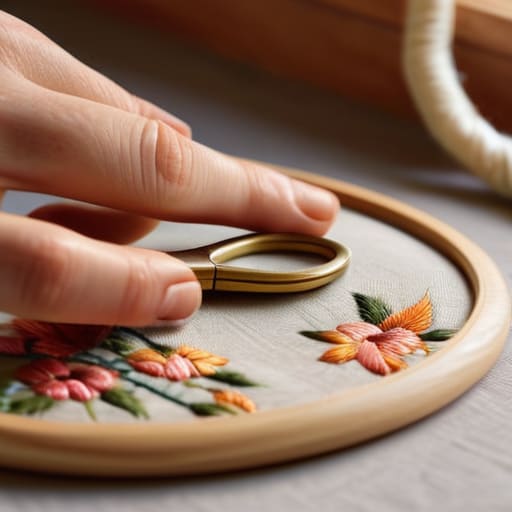
I remember sitting on my floor in a tiny, cramped apartment in San Francisco, my eyes blurring from staring at a glowing laptop screen after a ten-hour shift. My mind was racing with deadlines, but my body felt completely disconnected. That’s when I picked up an old, dusty hoop my grandmother had left me, and suddenly, the world went quiet. I realized that learning how to do embroidery isn’t actually about creating a perfect masterpiece to frame on a wall; it’s about the rhythmic, meditative dance of the needle passing through fabric. It’s one of those rare moments where you can actually silence the digital noise and just be.
In this guide, I’m stripping away the overwhelming jargon and the “perfectionist” pressure that usually keeps beginners from even starting. I want to show you the honest, practical side of this craft, from choosing your very first thread to mastering those foundational stitches that make everything click. We aren’t just going to learn the mechanics; we are going to explore how to use this beautiful art as a tool for intentional stillness. Let’s dive in and find your flow, one stitch at a time.
Table of Contents
- Step-by-Step Instructions
- Gathering Your Essentials Essential Embroidery Supplies for Beginners
- Choosing Your Canvas Exploring Diverse Embroidery Fabric Types
- Beyond the Stitches: 5 Mindful Tips for a More Soulful Practice
- Embracing the Rhythm of the Needle
- Finding Your Rhythm in the Thread
- Finding Your Rhythm in Every Stitch
- Frequently Asked Questions
Guide Overview
Tools & Supplies
- Embroidery hoop to hold fabric taut
- Embroidery needle with a sharp point
- Small scissors for cutting thread
- Embroidery floss (3-5 colors)
- Cotton fabric (approx. 10×10 inches)
Step-by-Step Instructions
- 1. First, let’s gather our tools, but I want you to approach this like a ritual rather than a chore. You’ll need a sturdy embroidery hoop, some high-quality cotton fabric (linen is a dream if you want that organic feel), a few embroidery needles, and your chosen threads. I always tell my clients that setting the stage is half the battle; when your workspace is inviting, your mind follows suit.
- 2. Once you have your materials, it’s time to prep your canvas. Take your fabric and place it over the inner ring of your hoop, then press the outer ring down to sandwich the cloth tight. You want the fabric to be taut like a drum, because if it’s sagging, your stitches will lose that beautiful, crisp intention we’re aiming for.
- 3. Now, let’s talk about your design. If you’re feeling a bit intimidated, don’t worry—I used to be the same way during my high-stress corporate days. You can lightly trace a pattern onto your fabric using a water-soluble pen or even a pencil. Just remember to breathe through the uncertainty; there are no mistakes here, only opportunities to pivot and create something unique.
- 4. It’s time to thread your needle, which is actually a wonderful moment for a micro-meditation. Instead of rushing, feel the texture of the thread and the coolness of the metal. Pull a length of floss through the eye, and as you knot the end or use a starter stitch, try to anchor yourself in the present moment. This is where the true mindfulness begins.
- 5. Let’s dive into your first stitch—perhaps a simple backstitch to outline your shape. Push the needle through the fabric from the back, pull the thread through, and then bring the needle back up a short distance ahead of your first entry point. As you work, notice the rhythmic pull and release of the thread; it’s incredibly grounding when you let your thoughts drift with the movement.
- 6. As you add more layers, like French knots or satin stitches, you might feel the urge to rush toward the finish line. I know that feeling well—it’s that old “productivity trap.” Instead, try to embrace the slow pace. Each stitch is a tiny act of presence, and the beauty of embroidery lies in the patience you pour into every single loop and knot.
- 7. Finally, once your masterpiece is complete, carefully remove the fabric from the hoop and trim any excess. I like to take a moment to step back, look at what I’ve created, and simply acknowledge the effort. Whether it’s a perfect floral pattern or a collection of wonky lines, you’ve successfully carved out a piece of stillness in a busy world, and that is a massive win.
Gathering Your Essentials Essential Embroidery Supplies for Beginners
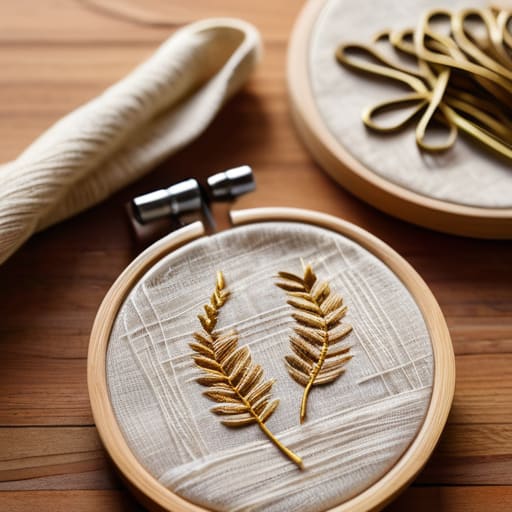
Before you dive into your first stitch, I want you to take a moment to appreciate the tactile beauty of what you’re about to create. Gathering your essential embroidery supplies for beginners isn’t just about checking off a shopping list; it’s about choosing tools that feel good in your hands and invite you to slow down. I remember when I first started, I felt so overwhelmed by the aisles of craft stores, but I quickly learned that starting simple is the key to staying present. I always recommend beginning with a few different embroidery fabric types, like a sturdy cotton or linen, as they provide that wonderful, grounding tension that makes every movement feel intentional.
As you curate your kit, don’t fret over having every single shade of thread imaginable. Instead, focus on finding a few high-quality needles; understanding common embroidery needle sizes can feel a bit daunting at first, but once you find the right weight for your fabric, the rhythm of the work just flows. I once read a fascinating study about how the repetitive motion of fine motor tasks can significantly lower cortisol levels, and I truly believe that once you master how to thread a needle for embroidery, you’ll feel that immediate sense of calm wash over you.
Choosing Your Canvas Exploring Diverse Embroidery Fabric Types
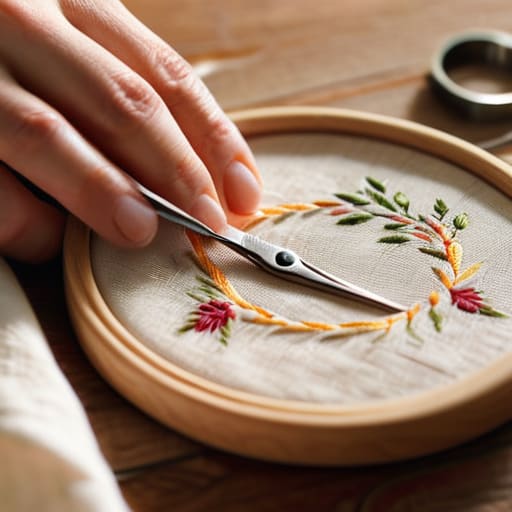
Once you’ve gathered your essential embroidery supplies for beginners, the next step is deciding where your creativity will live. I remember my first attempt at embroidery; I was so eager to start that I grabbed a flimsy old t-shirt, only to realize halfway through that the fabric was stretching and distorting my stitches. It was a bit of a heartbreak! To avoid that, it’s helpful to understand the different embroidery fabric types available to you. For those just starting out, I always recommend a sturdy cotton or linen. These fabrics have a beautiful, predictable weave that holds your stitches in place, making the whole process feel much more grounding and less like a struggle against the material.
If you’re feeling a bit more adventurous, you might explore even more textured options like canvas or even light denim. While these can add incredible depth to your embroidery pattern ideas, they do require a bit more patience and perhaps a slightly different approach to tension. Remember, the fabric is your foundation; choosing one that feels gentle and supportive under your needle will make your practice feel less like a chore and more like a meditative escape.
Beyond the Stitches: 5 Mindful Tips for a More Soulful Practice
- Embrace the “Beautiful Imperfection.” I remember my first attempt at a floral pattern; I was so stressed about every single loop being identical that I almost threw my hoop across the room. But here’s the secret: those tiny, human deviations are what give your work soul. Don’t let perfectionism steal the joy from your creative flow.
- Set the Scene for Stillness. Before you even thread your needle, treat this like a mini-meditation session. Dim the overhead lights, light a sandalwood candle, or put on some soft lo-fi beats. When you create a sensory ritual around your embroidery, you’re telling your nervous system that it’s finally time to exhale.
- Watch Your Posture, Protect Your Peace. It’s so easy to hunch over your hoop like you’re protecting a secret, but that tension eventually travels straight to your neck and shoulders. Try to sit with an open chest and keep your embroidery close to your eye level. A comfortable body leads to a much more relaxed mind.
- Work with the Rhythm of Your Breath. This might sound a bit “woo-woo,” but it truly works. Try to sync your stitches with your breathing—perhaps one long satin stitch for every inhale, and a few small French knots for every exhale. It turns a repetitive task into a moving meditation that grounds you in the present moment.
- Know When to Put the Needle Down. In my corporate days, I learned that burnout doesn’t happen all at once; it’s a slow accumulation. The same goes for crafting. If you find yourself squinting or feeling frustrated, that’s your body’s way of asking for a break. Step away, stretch, and come back when your intention feels light again.
Embracing the Rhythm of the Needle
Remember that embroidery is a practice of presence, not a race to perfection; let the repetitive motion of the needle become a form of moving meditation that grounds you in the moment.
Focus on the quality of your connection with your materials rather than the complexity of the pattern, as choosing the right fabric and thread is the first step in honoring your creative journey.
View every misplaced stitch not as a mistake, but as a gentle reminder to breathe and reset, allowing yourself the grace to learn at a pace that feels nourishing to your soul.
Finding Your Rhythm in the Thread
“When you first pick up your needle, try to see it not as a project to be completed, but as a rhythmic conversation between your hands and your heart; embroidery is less about the perfection of the stitch and more about the quiet, meditative space you create for yourself within it.”
Sophia Reynolds
Finding Your Rhythm in Every Stitch
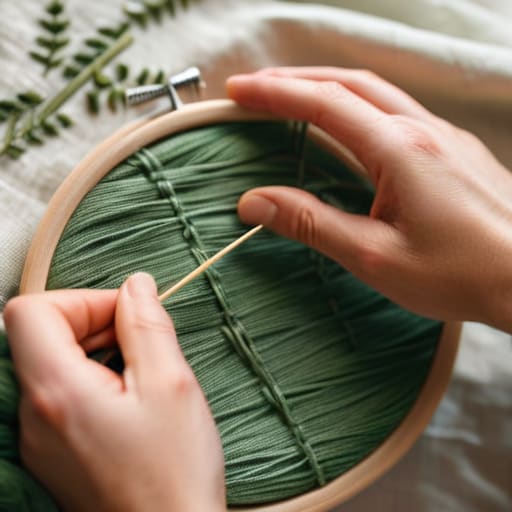
As we wrap up this journey into the world of embroidery, I hope you feel a little more prepared to dive in. We’ve covered everything from selecting that perfect, tactile fabric to gathering the essential tools that will become your companions in creativity. Remember, the most important part of this process isn’t about achieving a flawless, magazine-ready design on your very first try; it’s about the intentional connection between your hands and your materials. Whether you are navigating a complex satin stitch or simply practicing a basic running stitch, the goal is to integrate these small, purposeful movements into your day as a way to ground yourself.
At the end of the day, embroidery is so much more than just a craft—it is a beautiful, slow-motion rebellion against a world that demands we move faster every single second. When you pick up your needle, I want you to view it as an invitation to reclaim your stillness. Let each stitch be a tiny meditation, a way to breathe through the chaos and celebrate your own unique rhythm. You aren’t just making something beautiful to hang on a wall; you are cultivating a space of peace within yourself. So, take your time, be kind to your progress, and most importantly, enjoy the quiet magic of the process.
Frequently Asked Questions
I'm worried about making mistakes—is there a way to fix a stitch if I accidentally mess up my pattern?
Oh, I hear you! I remember sitting on my floor in Oregon, staring at a tangled mess of thread and feeling that familiar spike of perfectionism. Deep breath—it’s okay. Mistakes aren’t failures; they’re just part of the rhythm. If a stitch goes awry, simply use a seam ripper or small embroidery scissors to gently undo the thread. Once it’s out, smooth the fabric and try again. It’s all part of the process.
How do I know how much tension to use on my thread so it doesn't pull my fabric or get too loose?
Finding that “Goldilocks” tension can feel a bit intimidating at first, but think of it like finding your rhythm in a yoga flow—it’s all about balance. You want the thread to be snug enough to stay secure, but not so tight that it puckers your lovely fabric. A good rule of thumb? Pull your thread until it feels firm, but if you see the fabric bunching up around the hoop, just take a breath and ease off a little.
Since I'm just starting out, how many different colors or types of floss should I actually invest in to avoid feeling overwhelmed?
I totally hear you—when you see those massive, rainbow-colored floss sets, it’s so easy to feel like you need them all to truly begin. But trust me, more isn’t always better. I always suggest starting with a small, curated palette of 6 to 8 colors. Think of it like a capsule wardrobe: a few versatile shades like cream, navy, and earthy greens can create so much magic without the clutter. Keep it simple, stay mindful, and let your creativity grow from there.