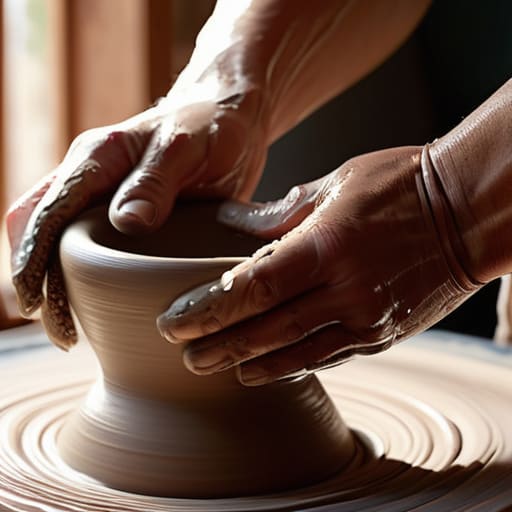
I still remember the exact moment I felt like a total fraud. I was sitting on my living room floor, surrounded by tangled yarn and half-finished projects, staring at a pattern that felt like it was written in an ancient, undecipherable language. My hands were shaking, my heart was racing, and all I could think was that I simply wasn’t “the type” of person who could master something this complex. We’ve all been there, haven’t we? That paralyzing gap between our curiosity and our actual ability is where most people give up, convinced that they lack some innate talent. But I’ve learned through years of studying positive psychology that learning how to build confidence in a new craft isn’t about waiting for a sudden burst of inspiration; it’s about navigating the messy middle without losing your spirit.
In this post, I’m not going to feed you any toxic positivity or tell you that “everything happens for a reason.” Instead, I want to offer you a practical, evidence-based roadmap to finding your footing when you feel completely out of your depth. We are going to explore how to quiet that inner critic and replace it with a sustainable, rhythmic way of learning. My promise to you is simple: I will share the honest, grit-meets-grace strategies I’ve used in my own life to turn frustration into a deep, quiet sense of mastery.
Table of Contents
- Embracing the Mess Managing Beginner Frustration With Grace
- Nurturing a Growth Mindset for Makers and Dreamers
- Finding Your Flow: Five Soulful Ways to Build Confidence
- Finding Your Flow: Three Gentle Reminders for the Journey Ahead
- The Quiet Magic of Showing Up
- Finding Your Flow in the Journey Ahead
- Frequently Asked Questions
Embracing the Mess Managing Beginner Frustration With Grace
I remember when I first started practicing yoga; I felt so clumsy, like my limbs were moving in three different directions at once. It’s that visceral, itchy feeling of wanting to be good at something immediately, only to be met with the reality of your own current limitations. When you’re managing beginner frustration, it’s easy to mistake that friction for a sign that you simply “don’t have the talent.” But I want you to lean into that discomfort instead. That frustration isn’t a wall; it’s actually the feeling of your brain rewiring itself to accommodate something new.
Instead of viewing every mistake as a setback, try to adopt a growth mindset for makers. When a stitch drops or a brushstroke goes awry, take a breath and remind yourself that you are currently in the “messy middle.” This is where the real magic happens. By focusing on incremental skill building rather than immediate perfection, you take the pressure off the end result and place the value on the process itself. Be gentle with your progress; grace is just as important as practice.
Nurturing a Growth Mindset for Makers and Dreamers

I remember sitting on my living room floor during my first few months of yoga practice, feeling completely disconnected from my own body. I kept thinking, “I should be better at this by now,” which is the quickest way to kill your spark. To truly find your footing, you have to lean into a growth mindset for makers and dreamers alike. This means shifting your internal dialogue from “I can’t do this” to “I am currently learning how to do this.” It’s about viewing every clumsy stitch or failed sketch not as a verdict on your talent, but as essential data for your journey.
Instead of chasing perfection, I want you to focus on the beauty of incremental skill building. When we obsess over the end result, we often trip over our own expectations. By breaking your progress down into tiny, manageable wins, you nurture a sense of creative self-efficacy that sustains you when things get tough. Trust the process, honor your pace, and remember that even the most seasoned experts were once exactly where you are right now.
Finding Your Flow: Five Soulful Ways to Build Confidence
- Celebrate the “Micro-Wins”: When I first started my yoga journey, I used to get so frustrated that I couldn’t hold a pose for more than a few seconds. Now, I realize that those few seconds are actually massive victories. Don’t wait until you’ve mastered the entire craft to celebrate; find joy in the tiny, incremental shifts that prove you’re moving forward.
- Curate Your Inner Dialogue: We are often our own harshest critics, especially when we’re staring at a half-finished project or a messy first attempt. Try to speak to yourself the way you’d speak to a dear friend. Instead of saying, “I’m terrible at this,” try, “I’m in the middle of learning, and that’s exactly where I’m supposed to be.”
- Seek Community, Not Just Comparison: It’s so easy to scroll through social media and feel like everyone else was born a master. But remember, you’re seeing their highlight reel, not their “messy middle.” Find a local workshop or an online forum where you can share your progress. There is something incredibly healing about realizing everyone else is also navigating their own beautiful, imperfect learning curve.
- Schedule “Low-Stakes” Playtime: Sometimes we put so much pressure on ourselves to produce something “good” that we lose the spark that made us want to try the craft in the first place. Set aside time where the goal isn’t perfection, but pure experimentation. If you’re learning to paint, grab some cheap watercolors and just play with colors without any intention of making a masterpiece.
- Honor Your Natural Rhythm: We live in a culture that demands instant mastery, but true skill is grown in seasons. Some days you’ll feel like you’re soaring, and other days you might feel stuck in a rut—and that is perfectly okay. Listen to your body and your mind; sometimes the best way to build confidence is to step back, breathe, and allow your skills to marinate before you dive back in.
Finding Your Flow: Three Gentle Reminders for the Journey Ahead
Honor your own timeline by celebrating the tiny, quiet wins; confidence isn’t about reaching perfection, it’s about noticing how much more capable you are today than you were yesterday.
Protect your creative energy by stepping away when the frustration feels heavy, because sometimes the most productive thing you can do for your craft is to breathe and let your mind rest.
Treat yourself with the same kindness you’d offer a dear friend starting something new, remembering that every master was once a beginner who simply refused to give up on their own curiosity.
The Quiet Magic of Showing Up
“Confidence isn’t a sudden lightning bolt that strikes once you’ve mastered a skill; it’s more like a slow, steady sunrise that happens every time you choose to show up for yourself, even when your hands are shaking and the progress feels invisible.”
Sophia Reynolds
Finding Your Flow in the Journey Ahead
As we wrap up our conversation, I want you to take a moment to look back at how far you’ve already come just by showing up. We’ve talked about the importance of leaning into the messy, imperfect middle stages and why shifting your focus from perfection to a growth mindset is the real secret sauce to longevity. Building confidence isn’t about suddenly becoming a master overnight; it’s about the quiet, steady work of managing your frustration and choosing to be kind to yourself when things don’t go according to plan. Remember, every expert you admire was once exactly where you are right now—standing at the starting line, feeling a little bit unsure, but brave enough to begin.
So, as you head back to your craft, whether it’s pottery, coding, or finally picking up that paintbrush, please remember to breathe. Don’t let the noise of comparison drown out the joy of your own unique progress. Life is far too short to spend it waiting until you’re “ready” to enjoy what you do. Instead, I invite you to embrace the rhythm of your own learning process and find beauty in the struggle. You aren’t just building a skill; you are building a more resilient, soulful version of yourself. Go forth with intention, stay curious, and most importantly, trust your own magic.
Frequently Asked Questions
How do I stop comparing my "Day 1" to someone else's "Year 10" when I'm scrolling through social media?
Oh, I feel this one in my soul. I remember scrolling through Instagram during my first month of yoga, feeling so clumsy compared to the instructors, and it was crushing. Here’s my little secret: social media is a highlight reel, not a documentary. When that comparison sting hits, try a “digital pause.” Put the phone down, take a deep breath, and remind yourself that you’re seeing their finished masterpiece, not the thousands of messy sketches it took to get there.
What should I do when I hit a plateau and it feels like I'm no longer making any progress?
Oh, I’ve been there—staring at a project feeling like I’ve just hit a brick wall. When that plateau arrives, please don’t mistake it for a dead end; think of it as a “consolidation phase.” Your brain is actually busy integrating everything you’ve just learned. Instead of pushing harder, try stepping back. Change your scenery, practice some mindfulness, or even dabble in a different hobby. Often, the breakthrough happens the moment we stop forcing it.
How can I balance the desire to be productive and master a skill quickly with the need to actually enjoy the process?
It’s such a delicate dance, isn’t it? I remember feeling that exact same tension during my corporate days—the urge to sprint toward the finish line while feeling like I was missing the scenery. My best advice? Try “micro-wins.” Instead of obsessing over mastery, celebrate the tiny, tactile moments of progress. When you shift your focus from the end goal to the joy of the practice itself, productivity stops feeling like a chore and starts feeling like flow.