
I still remember sitting in my old cubicle back in my corporate days, staring at a desk cluttered with three different planners, a stack of sticky notes, and a digital app that felt more like a chore than a tool. I was exhausted, chasing a sense of order that always seemed to slip through my fingers just when I needed it most. I realized then that most advice on how to keep a project notebook is far too focused on the aesthetic of productivity—the perfect pens, the color-coded tabs, and the expensive leather binders—rather than the actual mental clarity it’s supposed to provide. We don’t need more clutter; we need a sanctuary for our thoughts.
In this guide, I want to strip away the performative organization and get back to what actually works for our brains. I’m going to share my personal, evidence-based approach to building a system that actually honors your flow instead of fighting against it. We’ll explore how to transform a simple notebook into a living companion for your ideas, ensuring that you spend less time managing your tools and more time finding your focus and doing meaningful work.
Table of Contents
- Designing Effective Note Taking Systems for Mindful Progress
- Maintaining a Design Journal to Capture Your Creative Soul
- Five Gentle Rituals to Turn Your Notebook into a Sanctuary of Focus
- Embracing Your Notebook as a Sanctuary for Growth
- ## The Heartbeat of Your Progress
- Finding Stillness in the Scribbles
- Frequently Asked Questions
Designing Effective Note Taking Systems for Mindful Progress
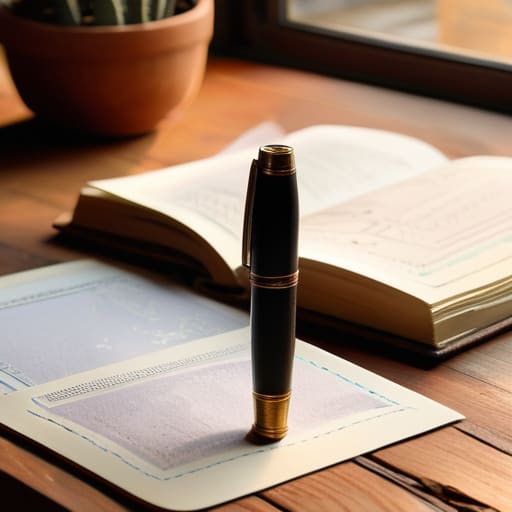
When we talk about designing effective note-taking systems, I like to think of it less like building a rigid filing cabinet and more like tending to a garden. It’s not just about the mechanics of capturing data; it’s about creating a space where your ideas can actually breathe. I remember back in my corporate consulting days, I saw so many brilliant teams drown in sheer volume because they were merely collecting information rather than curating it. To avoid that overwhelm, I recommend choosing a medium that feels intuitive to your natural rhythm. Whether you’re a digital devotee or a tactile lover of fountain pens, the goal is to ensure that organizing project documentation feels like a moment of reflection rather than a burdensome chore.
Once you’ve found your rhythm, try to layer in a bit of intentionality by maintaining a design journal alongside your standard logs. This isn’t just for aesthetics; it’s a way to capture the “why” behind your decisions—the gut feelings and the creative pivots that standard logs often miss. By blending structured data with these more fluid, reflective entries, you create a holistic map of your journey that honors both your logic and your intuition.
Maintaining a Design Journal to Capture Your Creative Soul

While the structured parts of a notebook handle the “what” and the “when,” I’ve found that maintaining a design journal is where you actually capture the “why.” I remember back in my corporate days, I used to rush through meetings, scribbling down tasks but completely ignoring the spark of an idea that hit me mid-sentence. Now, I treat my journal as a sanctuary for those fleeting, messy moments of inspiration. It’s not just about organizing project documentation; it’s about documenting the evolution of your intuition. When you sketch a rough concept or jot down a “what if” scenario, you aren’t just recording data—you are honoring your creative impulse.
Don’t feel pressured to make this section look like a polished masterpiece. In fact, the magic often lies in the scribbles, the crossed-out thoughts, and the spontaneous diagrams. Think of this part of your notebook as a bridge between your logical brain and your creative soul. By allowing yourself the space to be unrefined, you create a living history of your growth. This practice transforms a simple log into a meaningful roadmap of your unique journey toward mastery.
Five Gentle Rituals to Turn Your Notebook into a Sanctuary of Focus
- Create a “Brain Dump” ritual at the start of every session. Before you dive into the heavy lifting, spend five minutes scribbling down every stray thought, anxiety, or “to-do” swirling in your mind. It’s like clearing the fog on a coastal Oregon morning; once the mental clutter is on the page, you can finally see the path ahead.
- Honor the “Messy Middle” by allowing yourself to write without judgment. I used to think my notebook had to look like a curated Pinterest board, but real growth is often unpolished. Use sketches, crossed-out sentences, and frantic scribbles—this is your private space to fail, iterate, and evolve.
- Use color as a way to communicate with your future self. Instead of rigid, stressful categorization, try using soft watercolor washes or subtle highlighters to denote different energies—perhaps blue for deep, contemplative work and a warm amber for those sudden sparks of inspiration. It makes reviewing your progress feel like an act of self-care rather than an audit.
- Implement a “Reflection Anchor” at the end of each week. Don’t just close the book and walk away. Take a quiet moment to jot down one thing that challenged you and one small win that brought you joy. This bridges the gap between mere task management and true mindful progress.
- Keep a “Gratitude Log” tucked in the back margins. It sounds simple, maybe even a little cliché, but weaving small moments of appreciation into your project notes—like the perfect cup of coffee while brainstorming—trains your brain to find beauty even in the midst of a high-pressure deadline.
Embracing Your Notebook as a Sanctuary for Growth
View your project notebook not as a rigid chore or a list of demands, but as a living, breathing extension of your creative self where every messy scribble is a step toward clarity.
Prioritize the ritual of reflection over the perfection of the page; it’s much more important to capture the “aha!” moment in the heat of inspiration than to worry if your handwriting is flawless.
Use your notes to bridge the gap between your professional goals and your personal well-being, ensuring that your productivity never comes at the expense of your inner peace.
## The Heartbeat of Your Progress
“Think of your project notebook not as a rigid archive of tasks, but as a living, breathing sanctuary for your ideas; it’s the sacred space where your wildest inspirations meet the grounded rhythm of your daily progress.”
Sophia Reynolds
Finding Stillness in the Scribbles

As we wrap up this exploration, I want you to remember that your project notebook isn’t just a tool for tracking tasks or organizing data; it is a living, breathing extension of your own cognitive process. Whether you are building a structured system to guide your professional workflow or nurturing a design journal to capture those fleeting, magical sparks of creativity, the goal remains the same: to create a sacred space for your ideas to land. By intentionally designing your note-taking habits, you aren’t just managing projects—you are actively honoring your mental energy and preventing the burnout that so often comes from trying to hold everything in your head at once.
At the end of the day, please don’t let the pursuit of a “perfect” system become another source of pressure on your to-do list. Your notebook is allowed to be messy, filled with crossed-out thoughts and coffee stains, because that is the beautiful, imperfect reality of human growth. I truly believe that when we take the time to pause and document our journey, we transform mundane work into a meaningful practice of intentional living. So, pick up your pen, take a deep breath, and let your notebook become the compass that guides you toward a life of both profound productivity and deep, soulful fulfillment.
Frequently Asked Questions
I love the idea of a notebook, but how do I keep it from becoming just another overwhelming "to-do" list that adds to my stress?
Oh, I hear you so loudly on this! I used to turn my journals into “anxiety lists” back when I was in the corporate grind. To prevent this, try separating your intentions from your tasks. Dedicate a small corner of your page to “Reflections” or “Wins.” When you shift the focus from what you must do to how you are growing, the notebook transforms from a source of pressure into a sanctuary for your soul.
Is it better to stick to one single notebook for everything, or should I have separate ones for different parts of my life to keep my energy focused?
This is such a common crossroads, and honestly, there’s no “right” way—only what honors your current energy. I used to try the “one notebook to rule them all” approach, but I found my grocery lists cluttering my deep creative breakthroughs. If you feel scattered, try separating your “work brain” from your “soul brain.” It creates a beautiful mental boundary. However, if switching books feels like an extra chore, stick to one and use colorful tabs to create sacred spaces within.
How can I stay consistent with my journaling when life gets chaotic and I feel like I've already fallen behind?
Oh, I have been exactly where you are—staring at a blank page while the world feels like it’s spinning out of control. When things get chaotic, please, give yourself permission to lower the bar. You don’t need a profound entry; even a single sentence about how you feel is a victory. Think of it as a quick exhale rather than a chore. Consistency isn’t about perfection; it’s about simply showing up for yourself, even in small ways.