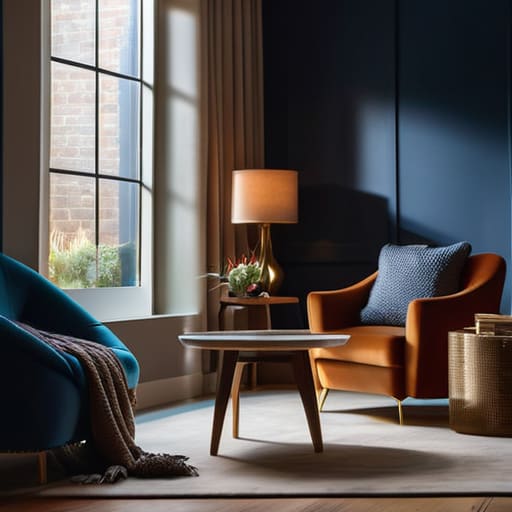
I remember sitting in my old corporate apartment in San Francisco, staring at a single, aggressive overhead light that made my living room feel more like a sterile interrogation room than a sanctuary. I was exhausted, mentally drained, and all I wanted was to actually unwind, but that harsh, singular glare kept my nervous system on high alert. I realized then that most people think they need a massive renovation or a designer’s budget to fix their atmosphere, but that’s a total myth. Learning how to layer lighting in a room isn’t about buying expensive chandeliers; it’s about understanding how light interacts with your biology to help you transition from the chaos of the workday into a state of true peace.
In this guide, I’m stripping away the complicated jargon and the high-end showroom fluff to give you the real, evidence-based approach. I’ll show you how to use different light sources to create depth, warmth, and intention in your space. My promise to you is simple: no hype, just practical, soul-soothing strategies that you can implement tonight to turn your home into the restorative haven you truly deserve.
Table of Contents
- Mastering Lighting Design Principles for Inner Calm
- Designing Functional Lighting Zones for Intentional Living
- My Five Golden Rules for Crafting Your Personal Glow
- Finding Your Glow: Small Shifts for a More Mindful Space
- Lighting as an Act of Self-Care
- Lighting Your Way Home
- Frequently Asked Questions
Mastering Lighting Design Principles for Inner Calm
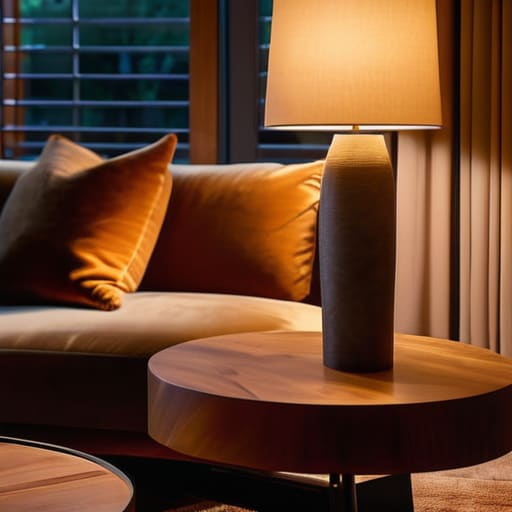
When we talk about transforming a house into a home, we aren’t just talking about furniture or paint colors; we’re talking about the invisible architecture of our environment. To truly find that sense of peace, we need to look at lighting design principles through the lens of emotional wellness. Think of it this way: just as we wouldn’t try to run a marathon without proper breathing techniques, we shouldn’t expect our nervous systems to settle in a room flooded with a single, aggressive overhead light. Instead, we want to create functional lighting zones that cater to different rhythms of our day.
I remember my first corporate apartment in San Francisco—it had these brutal, clinical ceiling lights that made me feel like I was constantly under interrogation, even when I was just trying to read a book. It was exhausting! Now, I focus on creating mood with light by layering different sources. By mixing task lighting for focus with soft ambient glows for relaxation, we signal to our brains that it’s okay to transition from “doing” mode to “being” mode. It’s about intentionality, not just visibility.
Designing Functional Lighting Zones for Intentional Living
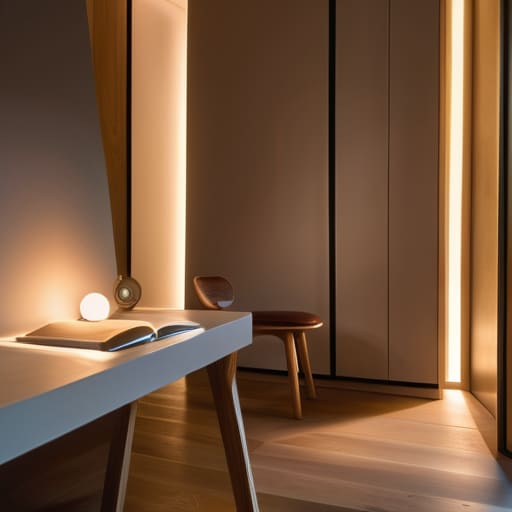
When we talk about designing functional lighting zones, I like to think of it as mapping out the emotional geography of your home. Instead of treating a room as one giant, brightly lit box, try to identify the distinct “chapters” of your life that happen within those four walls. For instance, if you have an open-concept living area, your reading nook shouldn’t be fighting for dominance with the bright task light in your workspace. By establishing functional lighting zones, you’re essentially giving yourself permission to transition mentally from “go mode” to “unwind mode” without ever leaving the room.
I remember during my corporate consulting days, I used to work from my kitchen table under a harsh, singular overhead light that felt like an interrogation lamp. It was exhausting! Now, I advocate for a more intentional layered lighting layout. By separating your space into task, ambient, and accent zones, you can tailor the environment to your immediate needs. If you’re feeling creative, lean into bright, focused light; but when the sun dips, lean into those soft, peripheral glows. This isn’t just about aesthetics—it’s about creating a sensory boundary that tells your nervous system exactly what it’s time to do.
My Five Golden Rules for Crafting Your Personal Glow
- Start with a “foundation of warmth” by choosing bulbs with a lower Kelvin rating; I’ve found that swapping out those clinical, blue-toned lights for something in the 2700K range instantly signals to your nervous system that it’s time to decompress.
- Don’t forget the magic of eye-level illumination; instead of relying on overhead fixtures that can feel a bit heavy, place a beautiful task lamp or a small accent light at eye level to create a sense of intimacy and focus.
- Embrace the power of shadows; it sounds counterintuitive, but true wellness in a space comes from contrast—using accent lighting to highlight a favorite plant or a piece of art creates depth that prevents a room from feeling flat and uninspiring.
- Invest in dimmable switches wherever possible; much like how our energy levels ebb and flow throughout the day, your lighting should be able to adapt to your current emotional state, whether you’re powering through a morning journal session or winding down for sleep.
- Incorporate “living light” through natural sources; I always remind my clients that the most sophisticated lighting design starts with the sun, so try to arrange your workspace or reading nook to catch that soft, restorative morning light whenever you can.
Finding Your Glow: Small Shifts for a More Mindful Space
Remember that lighting isn’t just about visibility; it’s about setting an emotional tone. By layering soft, warm sources instead of relying on a single overhead light, you create a sensory sanctuary that signals to your nervous system it’s okay to finally exhale.
Design your light to follow your rhythm. Just as we honor our natural circadian rhythms, your home should too—bright, energizing light for those morning deep-work sessions, and dim, amber hues to gently shepherd you toward rest in the evening.
Don’t be afraid to let light be intentional rather than just functional. Whether it’s a small reading lamp in your favorite corner or a soft glow by your meditation mat, use light to carve out dedicated spaces for the activities that actually nourish your soul.
Lighting as an Act of Self-Care
“We often think of lighting as just a way to see our surroundings, but I see it as a way to feel our way through them. When we layer soft, intentional light instead of relying on one harsh overhead glare, we aren’t just decorating a room—we’re creating a physical permission slip for our nervous systems to finally exhale.”
Sophia Reynolds
Lighting Your Way Home
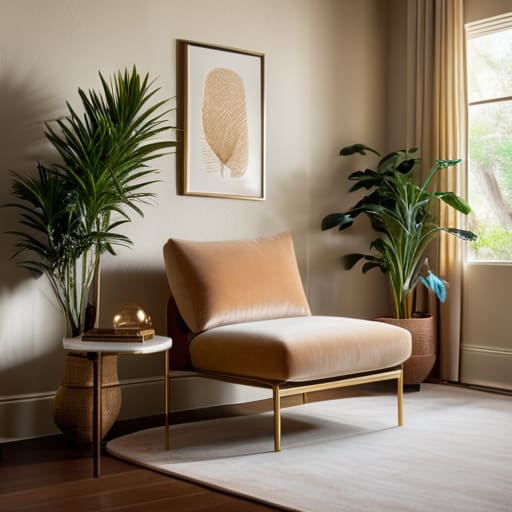
As we’ve explored together, transforming your space isn’t just about picking out beautiful fixtures; it’s about intentionally curating an environment that supports your mental well-being. By mastering the balance between ambient, task, and accent lighting, you move away from the sterile, draining glare of a single overhead bulb and toward a home that feels truly alive. Remember to prioritize those functional zones for your deep work and create soft, layered sanctuaries for your evening wind-down. When you approach lighting through the lens of intentionality, you aren’t just decorating a room—you are designing a lifestyle that honors your need for both focus and rest.
At the end of a long, demanding day, your home should feel like a warm embrace, a place where the chaos of the outside world finally fades into the background. I’ve learned through my own journey from the high-stress corporate world that our external surroundings profoundly influence our internal peace. Don’t feel like you have to overhaul everything overnight; even a single small lamp with a warm bulb can shift the entire energy of a corner. Trust your intuition, play with the shadows, and remember that creating a sanctuary is a continuous, beautiful process. You deserve a space that breathes with you, allowing you to find your center every single day.
Frequently Asked Questions
I have a small studio apartment; how can I layer lighting without making the space feel cluttered or overwhelming?
Oh, I’ve been exactly where you are! When I first moved into my tiny studio in San Francisco, I felt like every new lamp was just more “stuff” fighting for space. My secret? Think vertically and embrace wireless. Instead of bulky floor lamps, try sleek plug-in wall sconces or even rechargeable LED puck lights under shelves. By keeping the floor clear and using light to define “zones,” you create depth without the visual chaos.
How do I choose the right color temperature for different zones so my workspace feels energizing but my bedroom stays cozy?
Think of color temperature as the “emotional thermostat” of your room. For your workspace, I recommend leaning into cooler, crisp tones—around 4000K to 5000K. It mimics natural daylight, which helps keep those cortisol levels steady and your focus sharp. But when it’s time to transition to your bedroom, you want to pivot to those warm, amber hues, roughly 2700K. It signals to your brain that the day is done, inviting that much-needed sense of cozy sanctuary.
If I'm on a tight budget, which layer of lighting should I prioritize investing in first to see the biggest impact on my mood?
If you’re looking to make a meaningful shift without breaking the bank, I’d say go straight for task lighting. Think of it as creating a personal sanctuary for your focus or relaxation. While ambient light sets the stage, a beautiful, warm desk lamp or a soft reading light changes how you interact with your space. It’s that intentional little glow that signals to your brain, “Hey, it’s time to breathe and just be.”