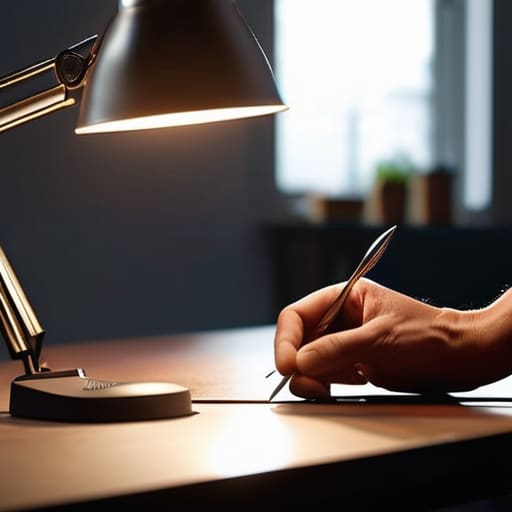
I still remember those late nights in my old corporate office, squinting at spreadsheets under those harsh, buzzing fluorescent lights that felt like they were physically drilling into my skull. I was trying so hard to be productive, but my eyes were aching, my head was throbbing, and I felt completely disconnected from my own focus. It’s a frustrating cycle: you think you’re lacking discipline, but really, you’re just fighting a losing battle against a poorly designed environment. Most people think you need a massive budget or some high-tech studio setup to fix this, but learning how to set up lighting for detailed work isn’t about buying the most expensive gadgets on the market; it’s about honoring your sensory needs.
I’m not here to sell you on some complicated, over-engineered system that requires a degree in electrical engineering to operate. Instead, I want to share what I’ve learned from years of studying the intersection of wellness and productivity. We are going to walk through simple, science-backed adjustments that will help you create a sanctuary for your concentration. My promise to you is a no-nonsense guide to finding that perfect balance, so you can finally work with clarity and deep, effortless flow.
Table of Contents
- The Gentle Glow Choosing Diffused vs Direct Lighting
- Finding Balance Perfecting Color Temperature for Hobbyists
- Small Adjustments, Big Impact: My Top 5 Lighting Rituals for Deep Focus
- Bringing It All Together: Your Path to a Focused Workspace
- Lighting Your Inner Focus
- Illuminating Your Path to Flow
- Frequently Asked Questions
The Gentle Glow Choosing Diffused vs Direct Lighting
When you’re leaning in close to a delicate project, the battle between diffused vs direct lighting becomes much more than just a technical choice; it’s about how your nervous system responds to your environment. I remember back in my corporate days, I used to work under these harsh, singular overhead lights that felt like they were constantly shouting at me. It was exhausting! For precision work, you really want a layered approach. Direct lighting—like a focused task lamp—is your best friend for seeing every tiny detail, but if it’s too sharp, it can create harsh shadows that actually make your work harder to see.
The secret to a truly harmonious workspace is using a soft, ambient light to fill the room, which helps in preventing eye strain during precision work. Think of the ambient light as a warm hug for your eyes, while your task lamp provides the clarity you need. If you can, look for a lamp with adjustable brightness and warmth; being able to soften the glow as you transition from intense focus to a more relaxed creative flow is a total game-changer for your long-term well-being.
Finding Balance Perfecting Color Temperature for Hobbyists
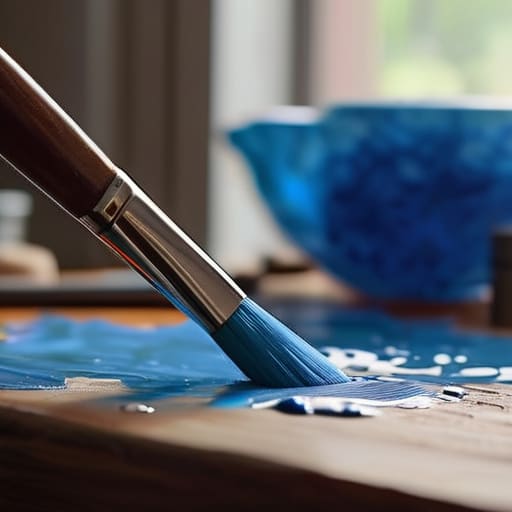
I remember back when I first started getting into intricate watercolor painting, I used to work under these harsh, cool-toned overhead lights. I’d finish a session feeling completely drained, and I couldn’t figure out why. It turns out, the color temperature for hobbyists is much more than just a technical spec; it’s about how our brains process the environment. If your light is too “blue” or clinical, it can trigger a sense of alertness that eventually leads to burnout. On the flip side, a light that’s too warm can make your colors look muddy and dull.
To find that sweet spot, I always recommend looking for a light source that mimics natural daylight—somewhere around 5000K. This is especially vital if you are working with pigments or fabrics, as a high color rendering index for crafts ensures that the colors you see on your desk are the exact same colors you’ll see when you step out into the sun. When we get the temperature right, we aren’t just seeing better; we are creating a sensory experience that allows us to enter a state of flow more easily.
Small Adjustments, Big Impact: My Top 5 Lighting Rituals for Deep Focus
- Layer your light like you layer your skincare. Instead of relying on one harsh overhead bulb that leaves you squinting, try combining a soft ambient light with a focused task lamp. This layering reduces the harsh contrast that often triggers eye strain during those long, beautiful stretches of creativity.
- Mind your shadows, sweet friend. When you’re working on something intricate, position your primary light source so it comes from the side opposite your writing or crafting hand. This simple shift prevents your own hand from casting a shadow over your work, keeping your visual field clear and your mind calm.
- Embrace the magic of natural rhythms. Whenever possible, set up your workspace near a window to soak up that glorious, changing daylight. Just remember to use a sheer curtain if the sun gets a bit too intense; we want to dance with the light, not be blinded by it.
- Give your eyes a scheduled “micro-break.” I always tell my clients that even the best lighting can’t fix fatigue if you don’t pause. Every twenty minutes, look away from your task and focus on something at least twenty feet away for twenty seconds. It’s like a tiny, refreshing yoga pose for your optic nerve.
- Don’t forget the “glow factor” for your mood. While you need brightness for the task at hand, try to keep the rest of the room softly lit. A workspace that is too bright can feel clinical and stressful, whereas a little bit of warmth in the periphery helps you feel grounded and safe while you dive deep into your flow.
Bringing It All Together: Your Path to a Focused Workspace
Remember that lighting isn’t just about visibility; it’s about setting a mood that honors your focus and prevents that mid-task mental fatigue.
Don’t be afraid to layer your light—combining a soft ambient glow with a targeted task lamp creates a sanctuary that supports both your eyes and your soul.
Listen to your body as you adjust your setup; if you find yourself squinting or feeling a tension headache brewing, it’s your sign to pause, breathe, and recalibrate your environment.
Lighting Your Inner Focus
“Think of your lighting not just as a way to see what’s in front of you, but as a way to signal to your nervous system that it’s time to settle in; when we choose light that honors our eyes, we create the sacred space necessary for our deepest focus to bloom.”
Sophia Reynolds
Illuminating Your Path to Flow

As we wrap up our journey through the nuances of light, I hope you feel more equipped to transform your workspace into a sanctuary of clarity. Remember, it’s all about that delicate dance between the soft, forgiving embrace of diffused light and the sharp, purposeful precision of direct task lamps. By mindfully selecting a color temperature that honors your natural circadian rhythms, you aren’t just avoiding eye strain; you are actively nurturing your cognitive endurance. Whether you are sketching, repairing a timepiece, or diving into intricate digital design, the right setup ensures that your environment works with you, rather than against you, allowing you to sustain your focus without the burnout.
At the end of the day, setting up your lighting is about so much more than just visibility—it is an act of self-care. When we take the time to curate our surroundings, we are sending a powerful signal to our brains that our work, and our well-being, truly matters. I often tell my clients that the small, intentional shifts in our environment are often the catalysts for our biggest breakthroughs. So, as you adjust your lamps and find that perfect, golden glow, remember to pause and breathe. May your workspace be a place where your passion meets perfect clarity, and where every detail you create is a reflection of a life lived with intention and light.
Frequently Asked Questions
How can I prevent eye strain and headaches if I'm working under bright lights for several hours at a time?
I completely hear you—those lingering headaches can really steal your peace. When I was in the corporate grind, I used to hit that wall hard. My best tip? Follow the 20-20-20 rule: every 20 minutes, look at something 20 feet away for 20 seconds. It’s a tiny micro-break that tells your nervous system to reset. Also, try softening those bright lights with a warm filter; it’s much kinder to your soul and your eyes.
Are there specific lighting setups that work better for different types of detailed tasks, like painting versus electronic repair?
That is such a brilliant question! It really comes down to how your eyes interact with your craft. When I was consulting for corporate teams, I always emphasized “task-specific ergonomics.” For something tactile like painting, you want a broad, soft wash to prevent harsh shadows on your canvas. But for electronic repair? You need that sharp, focused beam—almost like a spotlight—to catch every tiny solder joint. It’s all about honoring the specific rhythm of your work.
How do I balance my workspace lighting with the natural light coming in from my windows to avoid harsh shadows?
I remember struggling with this during my corporate days—that jarring shift between a sun-drenched desk and a dim corner can really mess with your focus. To find that harmony, try layering your light. Use sheer curtains to soften the incoming sunlight, then place a warm task lamp on the side opposite your window. This “fills in” those heavy shadows, creating a seamless, gentle glow that keeps your eyes relaxed and your energy steady.