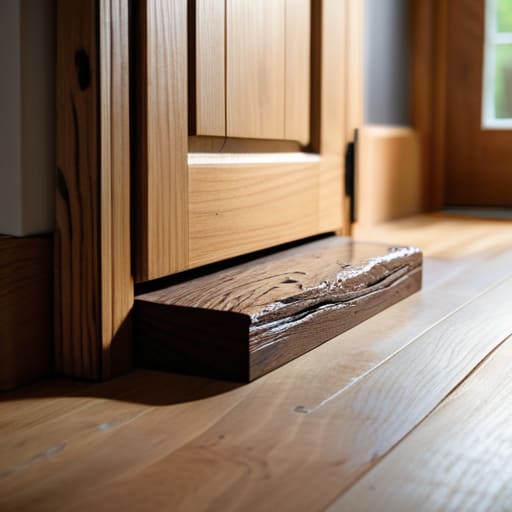
I remember standing in my sun-drenched living room last autumn, watching a rogue breeze send a heavy oak door slamming shut for the fifth time that hour, completely breaking my afternoon meditation flow. It sounds trivial, I know, but in that moment, the constant clatter and disruption felt like a metaphor for my own chaotic schedule. We often think that solving life’s little irritations requires massive, expensive overhauls, but I’ve learned that true peace often comes from mastering the small things. Learning how to make a doorstop isn’t just about home maintenance; it’s about reclaiming the stillness in your environment and creating a space that actually serves your need for calm.
In this guide, I’m stripping away the complicated woodworking jargon to share a few soulful, straightforward methods for crafting something functional and beautiful. Whether you want to repurpose a smooth river stone or upcycle a piece of reclaimed wood, I’ll walk you through the process with intentionality and ease. You won’t find any fluff here—just practical, hands-on steps to help you build a custom tool that holds your doors open and helps you hold onto your focus.
Table of Contents
- Step-by-Step Instructions
- Choosing the Best Materials for Doorstop Weight and Texture
- A Gentle Sewing Tutorial for Doorstops That Hold Space
- Small Details, Big Impact: My Pro-Tips for a Meaningful Creation
- Finding Meaning in the Smallest Details
- Finding Purpose in the Small Things
- Creating Space for What Matters
- Frequently Asked Questions
Guide Overview
Tools & Supplies
- Measuring tape for sizing the material
- Saw for cutting the wood or stone
- Sandpaper for smoothing edges
- 1 piece of scrap wood or heavy stone
- 1 can of spray paint or wood stain
- 1 piece of felt or rubber padding for the bottom
Step-by-Step Instructions
- 1. First, let’s gather our materials, but let’s do it with intention. You’ll need a beautiful piece of reclaimed wood or a smooth river stone, some sandpaper, non-toxic sealant, and perhaps a small bit of twine or a piece of felt for the bottom. I find that choosing materials that feel grounding to the touch can turn a simple task into a meditative experience.
- 2. Once you have your base, it’s time to shape it. If you’re using wood, use your sandpaper to smooth out any rough edges or splinters. I always tell my clients that this is much like nurturing our own boundaries; we are smoothing away the jagged parts to create something that feels safe and soft to the touch.
- 3. Now, take a moment to really look at your piece. If you’re feeling creative, this is where you can add a touch of personality. You might want to lightly etch a pattern into the wood or even just enjoy its natural grain. I like to think of this step as finding the beauty in imperfection, a core tenet of the wabi-sabi philosophy I’ve always admired.
- 4. Next, we’ll apply a sealant to protect your creation and bring out its natural luster. Using a small brush, apply a thin, even layer of eco-friendly oil or wax. It’s important to move slowly here; let the rhythm of the brushstrokes help you sink into the present moment rather than rushing toward the finish line.
- 5. While the sealant is drying, let’s talk about the “grip.” To prevent your doorstop from sliding across the floor and causing a bit of chaos, glue a small piece of felt or a thin layer of cork to the bottom. This tiny detail is what makes the object truly functional, ensuring it holds its space just as firmly as you hold yours.
- 6. Once everything is completely dry, find the perfect spot in your home for your new creation. Whether it’s propping open a door to let in a fresh breeze or simply sitting on a shelf, place it with care. I find that when we create objects that serve a purpose, we are honoring the small rituals that make a house feel like a home.
Choosing the Best Materials for Doorstop Weight and Texture
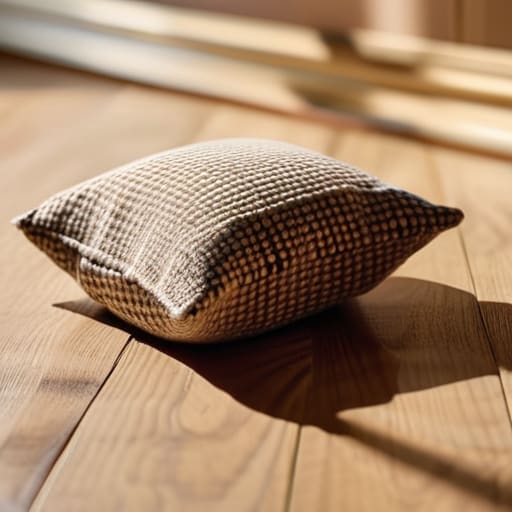
When you’re deciding on the foundation of your project, I always suggest thinking about the “soul” of the object. A doorstop isn’t just a functional tool; it’s a small, tactile presence in your living space. If you’re looking for something that feels grounded and substantial, finding the best materials for doorstop weight is your first priority. I personally love using dried lentils or clean play sand, as they provide that satisfying, heavy settle that keeps a door firmly in place without feeling overly bulky.
If you’re leaning toward a softer, more bohemian aesthetic, you might find yourself drawn to DIY fabric doorstop projects using velvet or heavy linen. These textures add a layer of sensory comfort to your home—a little nod to the mindfulness we practice every day. For those who enjoy a more rhythmic, creative process, following a sewing tutorial for doorstops can be incredibly meditative. Whether you choose a sleek, modern fabric or something vintage and storied, the goal is to create a piece that feels intentional, turning a simple household necessity into a tiny work of art.
A Gentle Sewing Tutorial for Doorstops That Hold Space
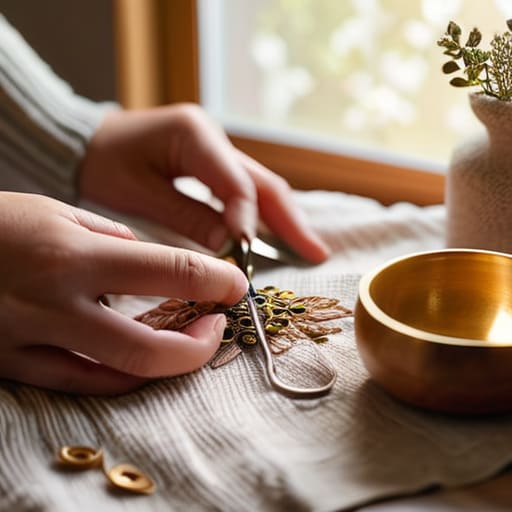
If you’re feeling a little more creative and want to add a touch of soul to your home, I can’t recommend a sewing tutorial for doorstops enough. There is something deeply meditative about the rhythmic motion of a needle passing through fabric; it’s almost like a form of moving meditation. I remember during my most stressful weeks in the corporate world, I would find so much peace in small, tactile tasks like this. When you sew your own weighted cushion, you aren’t just making a functional tool; you are crafting a little anchor for your living space.
For those looking to create a truly heavy sandbag doorstop, I suggest using a sturdy canvas or a thick linen to ensure your stitches hold up against the weight. Once you’ve sewn your beautiful fabric shell, fill it slowly with dried beans or fine sand to achieve that perfect, grounding heft. These DIY fabric doorstop projects are such a wonderful way to infuse your environment with intention, turning a mundane household object into a piece of art that truly holds space in your sanctuary.
Small Details, Big Impact: My Pro-Tips for a Meaningful Creation
- Don’t underestimate the power of weight; I always suggest adding a little extra sand or small pebbles to the base to ensure your doorstop stays grounded and reliable, much like how we need to stay grounded during a hectic workday.
- Think about the tactile experience by choosing fabrics that feel good against your skin, like a soft linen or a chunky knit, because even a functional object should offer a moment of sensory comfort when you pass it in the hallway.
- Consider the “flow” of your room by matching the doorstop’s aesthetic to your space, ensuring it doesn’t just serve a purpose but actually adds a sense of visual harmony to your home environment.
- Embrace the beauty of imperfection; if your stitching isn’t perfectly straight, don’t sweat it—those tiny “human” touches are what give handmade items their soul and character.
- Use this crafting time as a mindfulness practice, focusing entirely on the rhythm of your needle or the texture of your materials, turning a simple DIY task into a much-needed mental reset.
Finding Meaning in the Smallest Details
Remember that this isn’t just about keeping a door open; it’s about the intentionality you bring to your physical space and how those small, handmade touches can ground you throughout a busy day.
Don’t be afraid to let your intuition guide your material choices—whether it’s the calming texture of linen or the weight of a smooth stone, choose elements that resonate with your personal sense of peace.
View the process of making as a form of moving meditation, allowing yourself the grace to slow down and find joy in the rhythmic, simple motions of creating something from scratch.
Finding Purpose in the Small Things
“We often search for profound meaning in grand gestures, but I’ve learned that there is a quiet, meditative beauty in crafting something as simple as a doorstop; it’s a reminder that even the smallest tools can serve the vital purpose of holding space and keeping our world open to the light.”
Sophia Reynolds
Creating Space for What Matters
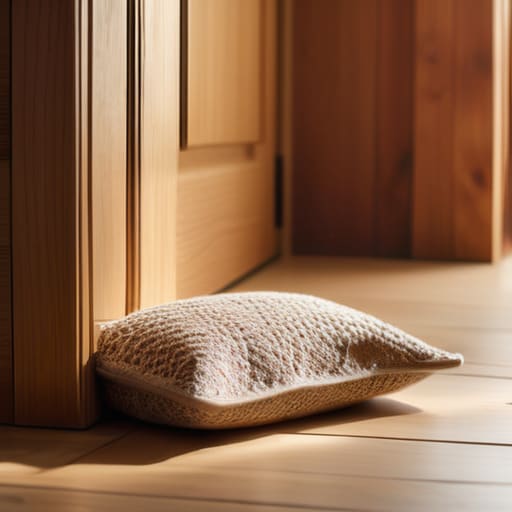
As we wrap up this little journey of creation, I hope you feel a sense of pride in what you’ve built. From selecting the perfect weight and texture to the rhythmic, meditative process of sewing your chosen fabric, you haven’t just made a functional tool; you’ve crafted a tangible piece of your home. Remember that whether you chose a heavy stone wrapped in linen or a soft, sand-filled fabric pouch, the most important element was the intentionality you poured into every stitch and every choice. By focusing on both the utility and the aesthetic, you’ve ensured that this simple object serves a purpose while adding a touch of mindful beauty to your daily environment.
At the end of the day, a doorstop is about more than just keeping a door open; it is a symbolic reminder to let the light in and allow for a flow of energy throughout your living space. In our busy, high-pressure lives, we often forget that the smallest, most manual tasks can be our greatest anchors to the present moment. I encourage you to look at your finished creation and see it as a testament to your ability to pause and create. May your new doorstop serve as a gentle nudge to breathe deeply and embrace the beautiful, slow rhythm of a life lived with purpose and grace.
Frequently Asked Questions
Since I'm using this to create a sense of calm in my home, what kind of heavy filler would you recommend to ensure the doorstop stays put without being too bulky?
I love that you’re focusing on the intention behind this! To keep things compact but grounded, I’d recommend using dried lentils or fine play sand. They settle beautifully into the fabric, providing that “heavy” presence without creating a bulky silhouette. If you want something even more tactile, small river pebbles work wonders too. Just remember to pour slowly—think of it as a little mindfulness practice in itself as you weight your creation.
I’m a bit of a beginner when it comes to sewing—are there any simple ways to reinforce the seams so my handmade creation doesn't burst under pressure?
Oh, I completely hear you! When I first started my DIY journey, I was so worried about my projects falling apart mid-way. To keep your doorstop sturdy, try “backstitching”—it’s just sewing backward over your line for a few stitches at the start and end of every seam to lock it in. Also, using a slightly longer stitch length can actually help the fabric move more naturally without straining the thread. You’ve got this!
How can I choose fabrics that not only look beautiful but also add to the overall mindful and cozy atmosphere of my living space?
When I was working in corporate wellness, I realized our environments deeply impact our nervous systems. To create that cozy, mindful sanctuary, I love leaning into natural fibers like organic cotton, linen, or even a soft velvet. These textures invite you to slow down and actually feel your surroundings. Think earthy tones—soft sages or warm terracottas—that ground you. It’s not just about aesthetics; it’s about choosing fabrics that hug your soul.