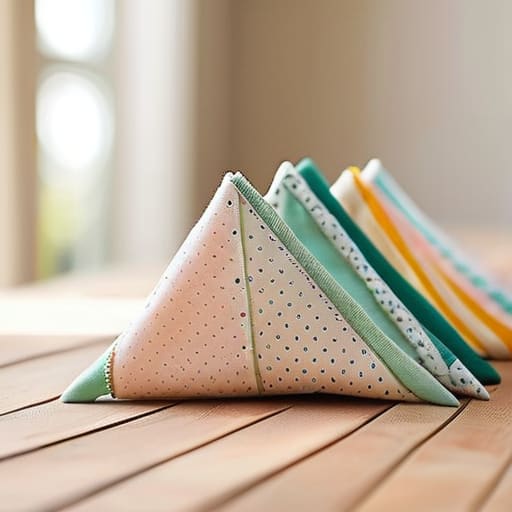
I remember sitting on my living room floor three years ago, surrounded by a chaotic sea of fabric scraps and tangled twine, feeling completely overwhelmed by a DIY project that was supposed to be my “zen moment.” I had convinced myself that learning how to make bunting required a professional sewing machine and a degree in textile design, but the reality was much simpler—and far more grounding. In my rush to achieve perfection, I had forgotten the most important part: the joy of the process itself. It turns out, that frantic energy was just a symptom of trying to rush through a moment that actually called for intentionality and presence.
In this guide, I’m stripping away the complexity to show you that crafting your own decor can be a deeply restorative ritual rather than another item on your stressful to-do list. I’ll walk you through the most practical, no-fuss methods to create beautiful, handmade accents, whether you’re a seasoned crafter or someone who hasn’t picked up a pair of scissors in years. We’re going to focus on simple, rhythmic steps that allow you to slow down, breathe, and ultimately create something that makes your home feel truly alive.
Table of Contents
- Step-by-Step Instructions
- Choosing Meaningful Fabric Bunting Diy Projects
- Mastering Bunting Sewing Patterns for Intentional Decor
- Small Acts of Intentionality: 5 Tips for a More Mindful Crafting Experience
- Bringing Intention into Every Stitch
- Finding Rhythm in the Details
- Bringing Your Vision Home
- Frequently Asked Questions
Guide Overview
Tools & Supplies
- Fabric scissors for clean cuts
- Measuring tape for even spacing
- Pins or clips to hold fabric in place
- Fabric scraps or yardage (1-2 yards)
- String, twine, or ribbon (5-10 meters)
- Chalk or fabric marker for tracing patterns
Step-by-Step Instructions
- 1. To begin this little ritual of creation, I find it’s best to gather all your materials in one place so you aren’t constantly interrupted. You’ll need some beautiful fabric scraps—think of these as little fragments of color from your life—a pair of sharp fabric scissors, some sturdy twine or cotton ribbon, a ruler, and a fabric marker or chalk. Having everything laid out before you helps create a sense of preparedness and calm right from the start.
- 2. Once your workspace feels settled, it’s time to decide on your shapes. While classic triangles are wonderful, I often find myself gravitating toward soft, rounded scallops or even simple rectangles to keep things feeling organic and relaxed. Use your ruler and fabric marker to draw your patterns onto the back of the fabric; I always recommend leaving a little extra room at the top for the seam where it will attach to the string.
- 3. Now, let’s lean into the rhythmic, almost meditative motion of cutting. Carefully follow your drawn lines with your scissors, trying to breathe through the process rather than rushing to the finish line. There is something so deeply grounding about the tactile sensation of fabric yielding to the blades, and I promise, even if a line isn’t perfectly straight, it only adds to the authentic charm of a handmade piece.
- 4. Next, we need to prepare our bunting for its permanent home on the twine. You can either fold the top edge of each fabric piece over the string and glue it down with a bit of fabric glue, or, if you’re feeling a bit more adventurous, you can use a needle and thread to sew them on. I personally love the sewing method because it feels like a small act of intention, creating a connection that is built to last.
- 5. As you attach each piece, pay attention to the spacing. I like to leave about an inch or two between each flag, which allows the fabric to “dance” a little when a breeze catches it. This creates a lovely visual rhythm that isn’t too crowded, mirroring the way we try to find intentional space in our own busy daily schedules.
- 6. Once all your pieces are secured, take a moment to hold up your finished creation and step back. This is the most important part: the “check-in.” Look at how the colors play together and how the weight of the fabric hangs. If something feels slightly off, don’t stress—it’s just a sign to adjust and flow with the process, much like we do in our mindfulness practices.
- 7. Finally, find the perfect spot to hang your bunting—perhaps over a window where the sunlight can hit it, or near a workspace where you spend your most creative hours. As you secure the ends to a hook or a nail, take one deep, cleansing breath. You haven’t just made a decoration; you’ve created a tangible reminder to slow down and appreciate the beauty you’ve brought into your world.
Choosing Meaningful Fabric Bunting Diy Projects
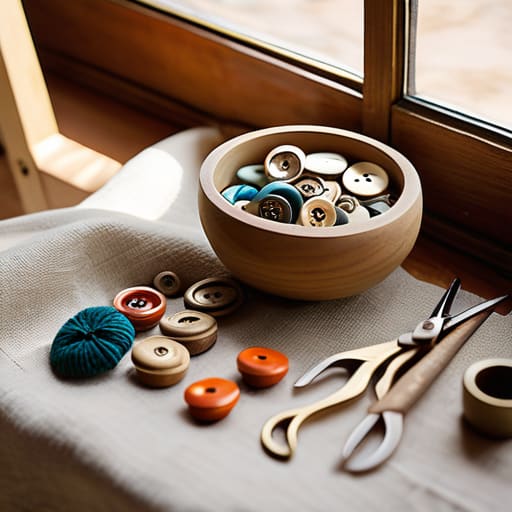
When I first started exploring the world of handmade decor, I realized that the magic isn’t just in the assembly, but in the stories the materials tell. Instead of reaching for whatever scrap is closest, I invite you to think about the emotional resonance of your choices. Are you looking for soft, muted linens to create a calming sanctuary in your bedroom, or perhaps vibrant, patterned cottons to spark joy during a summer garden gathering? Exploring different party bunting ideas starts with this intentionality; choosing fabrics that reflect your current season of life can turn a simple craft into a grounding ritual.
If you’re feeling a bit overwhelmed by the sheer variety of textures, don’t feel pressured to dive into complex fabric bunting diy projects right away. Sometimes, mixing a few vintage finds with modern textiles creates a beautiful, eclectic charm that feels much more “you” than a perfectly matched set. I often find that even a few mismatched scraps of silk or heavy canvas can add a sense of soulful texture to a room. Remember, your space should be a reflection of your journey, not a showroom catalog.
Mastering Bunting Sewing Patterns for Intentional Decor
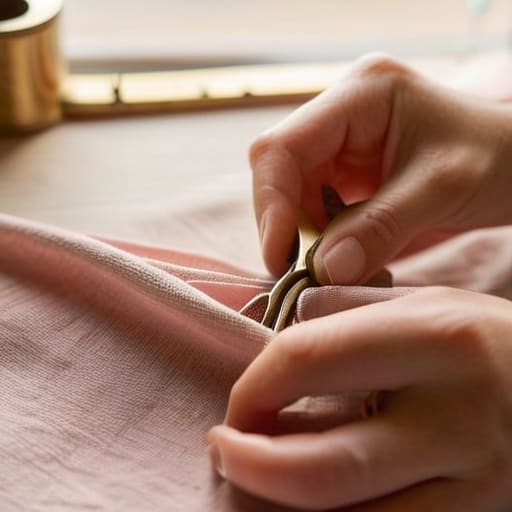
When we dive into the actual construction, I like to think of selecting your bunting sewing patterns as a way of setting the intention for the space you’re creating. While a standard triangle is a classic, you might find that soft, rounded edges or even scalloped shapes lend a more gentle, calming energy to a nursery or a reading nook. I remember during my time as a wellness consultant, I’d often suggest small, tactile changes to office spaces to reduce stress; there is something incredibly grounding about choosing a pattern that feels “right” for your soul.
If you’re feeling a bit overwhelmed by the geometry of it all, don’t feel like you have to reinvent the wheel. Using printable bunting flags can be a wonderful way to bridge the gap between a quick project and a professional finish, especially when you’re short on time but still crave that handmade touch. Whether you are aiming for high-energy party bunting ideas or a more subtle, seasonal accent, the key is to let the rhythm of the sewing process become a form of moving meditation. Take your time, enjoy the texture of the cloth, and let your creativity flow.
Small Acts of Intentionality: 5 Tips for a More Mindful Crafting Experience
- Honor the sensory experience by choosing fabrics that feel good against your skin; there’s something so grounding about running your hands over soft linen or textured cotton as you prepare to create.
- Embrace the “imperfection principle” to quiet your inner critic, remembering that a slightly uneven stitch is simply a testament to the human hand and the unique soul of your handmade decor.
- Create a sacred crafting ritual by pairing your sewing time with a calming playlist or a favorite herbal tea, transforming a simple DIY task into a restorative moment of mindfulness.
- Curate your scraps with purpose, looking at even the smallest remnants not as waste, but as tiny opportunities to add a pop of color and history to your next bunting design.
- Practice rhythmic breathing as you work through repetitive motions like cutting or stitching, using the cadence of your craft to anchor yourself in the present moment.
Bringing Intention into Every Stitch
Remember that bunting is more than just decor; it’s an opportunity to practice mindfulness by slowing down and finding joy in the tactile, rhythmic process of creating something with your own hands.
Let your choices reflect your inner world—whether you’re selecting vibrant patterns to boost your energy or soft, calming textures to create a sanctuary, let your fabric tell your story.
Don’t strive for perfection, but rather for presence; the beauty of handmade bunting lies in its unique character and the intentional energy you pour into your living spaces.
Finding Rhythm in the Details
“Making bunting isn’t just about stitching fabric together; it’s about the quiet, meditative rhythm of the needle and thread—a way to slow down, reclaim your focus, and weave a little bit of intentional beauty into the very fabric of your home.”
Sophia Reynolds
Bringing Your Vision Home
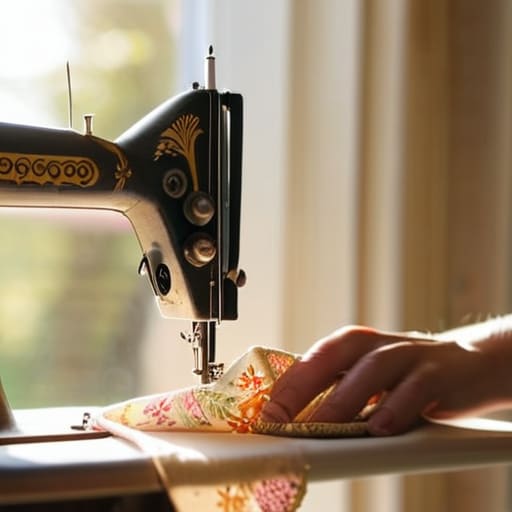
As we wrap up this little creative journey, I hope you feel more confident in your ability to transform simple scraps of fabric into something truly magical. We’ve explored everything from selecting fabrics that resonate with your soul to mastering those essential sewing patterns that ensure your bunting hangs with grace. Remember, whether you are opting for bold, vibrant patterns or soft, muted tones, the real beauty lies in the intentionality you pour into every stitch. By choosing meaningful materials and taking the time to follow a thoughtful process, you aren’t just making decor; you are crafting a tangible expression of your personal style and a way to infuse your environment with warmth.
At the end of the day, the bunting you create is so much more than just triangles on a string. It is a celebration of the slow, mindful moments we often overlook in our busy lives. I often remind my clients that productivity isn’t just about how much we get done, but about how much joy we find in the process of doing. So, as you hang your finished creation in your favorite nook or across a celebratory space, take a deep breath and let it remind you to pause. May your handmade bunting serve as a gentle nudge to embrace the art of living well, one beautiful, intentional detail at a time.
Frequently Asked Questions
I'm a bit worried about the longevity of my creations—how can I make sure my fabric bunting stays vibrant and holds up if I decide to hang it outdoors for a garden party?
I completely understand that hesitation—there’s something so bittersweet about seeing a beautiful creation fade under the sun. To keep your bunting vibrant for those garden parties, I recommend using UV-resistant threads and choosing high-quality, colorfast fabrics like heavy cotton or canvas. If you’re hanging them outdoors, a quick spray of fabric protector can work wonders. Think of it as adding a little extra layer of intention to ensure your joy lasts much longer!
Since I'm really trying to embrace a more sustainable lifestyle, are there ways to upcycle old clothing or leftover scraps into beautiful bunting without it looking cluttered?
I absolutely love that you’re thinking this way! Embracing sustainability is such a beautiful way to practice mindfulness in our daily habits. To avoid that “cluttered” feeling, I suggest sticking to a cohesive color palette. If you’re upcycling old linen shirts or cotton scraps, try grouping them by tone—like soft neutrals or calming blues. This creates a sense of intentionality and visual harmony, turning your repurposed treasures into a curated piece of art.
I love the idea of intentional decor, but I'm a total beginner with a sewing machine; is there a way to create these beautiful triangular flags using more mindful, low-stress methods like fabric glue or even hand-stitching?
Oh, I hear you so clearly! Please don’t let the thought of a sewing machine intimidate you—sometimes, the “machine” actually creates more stress than peace. If you’re looking to slow down, hand-stitching is incredibly meditative; there’s something so grounding about the rhythmic pull of the needle. Or, if you want zero pressure, high-quality fabric glue works beautifully. The goal is joy, not perfection. Let’s keep it gentle and let your creativity breathe.