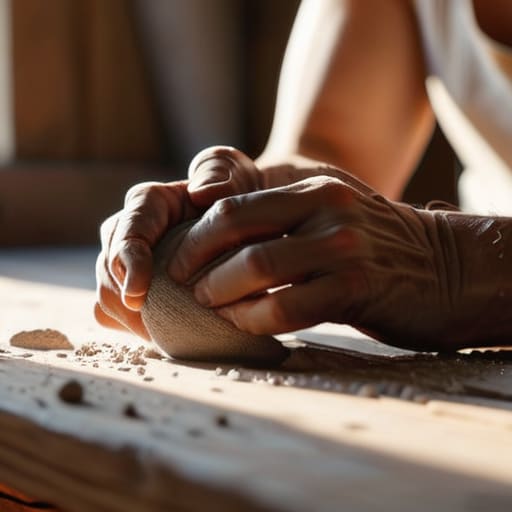
I remember sitting on my floor in a cramped San Francisco apartment, surrounded by half-finished ceramics and a mountain of expensive, “must-have” wellness gadgets, feeling more anxious than when I was at my corporate desk. I was trying so hard to be “zen” that I had completely lost the joy of actually creating. We’ve been sold this idea that learning how to build a mindful making practice requires a pristine studio, a curated aesthetic, and a meditative silence that feels more like a chore than a release. But honestly? That’s just more noise in an already loud world, and it’s completely backwards.
I’m not here to sell you a lifestyle or a complicated ritual that requires a PhD in stillness. Instead, I want to share what actually worked for me when I finally stripped away the performative stuff and focused on the connection between my hands and my head. I’m going to walk you through some grounded, evidence-based ways to approach your craft so that it becomes a sanctuary rather than another item on your to-do list. We’re going to focus on authentic presence over perfection, helping you find that sweet spot where productivity meets true, deep fulfillment.
Table of Contents
Reducing Anxiety Through Creativity and Quiet Intent

I remember a particularly frantic season back when I was consulting for a tech firm in San Francisco. My brain felt like it had fifty tabs open at once, and the constant hum of digital notifications was making my chest feel tight. It wasn’t until I picked up a sketchbook—not to create a masterpiece, but just to move a pencil across paper—that I felt my nervous system finally start to settle. There is something deeply restorative about reducing anxiety through creativity; it shifts your focus from the overwhelming “what ifs” of the future to the tangible reality of the present moment.
When we lean into the tactile nature of a project, we tap into a form of sensory engagement in art that acts as a natural anchor. Whether you are feeling the resistance of clay under your fingers or the rhythmic pull of yarn, these physical sensations pull you out of your head and back into your body. By focusing on these small, intentional movements, you aren’t just making something beautiful—you are practicing a way to quiet the mental noise and find a sense of peace that lasts long after the tools are put away.
Finding Your Flow State in Crafting Each Day
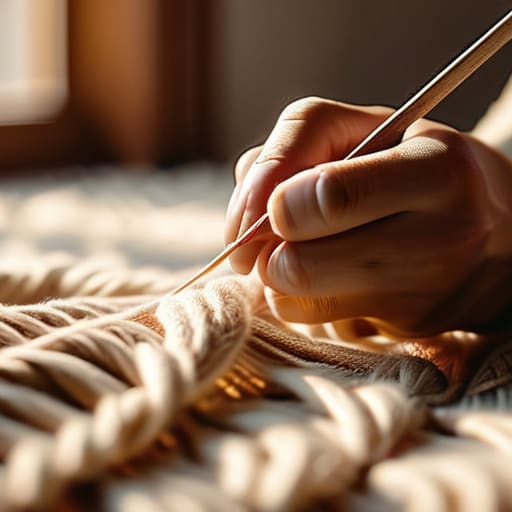
Have you ever been so deep in a project that you suddenly realized two hours had vanished, and you hadn’t even thought about your inbox once? That’s the magic of a flow state in crafting. It’s that sweet spot where the ego falls away, time becomes elastic, and your hands seem to move with a mind of their own. I remember during my corporate days, I used to feel like I was constantly racing against a clock. But when I started knitting, I discovered that the rhythm of the needles acted like a metronome for my brain, pulling me out of the chaos and into a state of pure, effortless presence.
To tap into this, I’ve found that sensory engagement in art is the secret sauce. It’s not just about the end result; it’s about the tactile reality of what you’re doing. Feel the grain of the wood, the coolness of the clay, or the weight of the yarn in your hands. When we anchor ourselves in these physical sensations, we stop living in the “what ifs” of the future and start living in the now. It’s a beautiful way to turn a simple hobby into a moving meditation.
Small Rituals to Anchor Your Creative Soul
- Curate your physical space before you begin. I used to dive straight into projects with a cluttered desk, but I learned that a messy environment often leads to a messy mind. Try lighting a specific candle or clearing just enough space for your tools; it signals to your nervous system that it’s time to transition from “busy mode” to “being mode.”
- Ditch the “perfectionist” mindset at the door. We often let the fear of a ruined canvas or a botched stitch stop us before we even start. Remember, mindful making isn’t about the masterpiece at the end; it’s about the tactile sensation of the brush or the rhythm of the needle in this very moment.
- Set a gentle intention rather than a rigid goal. Instead of telling yourself, “I must finish this scarf by tonight,” try saying, “I am going to enjoy the warmth of this wool.” It shifts your focus from a stressful deadline to a nourishing experience.
- Engage all your senses to stay grounded. If you find your mind drifting toward your mounting inbox, bring yourself back by noticing the scent of the cedarwood you’re carving or the subtle weight of the clay in your hands. This sensory grounding is a powerful way to pull yourself out of your head and back into your body.
- Build in “micro-pauses” to check in with yourself. Every twenty minutes or so, just stop. Take one deep, intentional breath and ask, “How does my body feel right now?” It’s a quick way to ensure you’re actually experiencing the process rather than just rushing through it to get to the finish line.
Bringing the Practice Home: Small Steps for Lasting Harmony
Don’t wait for a perfect, quiet hour to show up for yourself; even five minutes of intentional, hands-on creation can act as a powerful reset button for a frazzled nervous system.
Release the pressure of the “final product” and focus instead on the sensory details—the texture of the clay, the scent of the wood, or the rhythm of the needle—to keep your mind anchored in the present.
Treat your creative time as a non-negotiable appointment with your well-being, rather than just another task on an endless to-do list.
The Heart of the Practice
“Mindful making isn’t about the masterpiece waiting at the end of the process; it’s about those quiet, sacred moments in between—the way the clay feels under your palms or the rhythm of the needle—where you finally stop rushing toward the future and simply learn to inhabit the present.”
Sophia Reynolds
Embracing the Journey, One Stitch at a Time
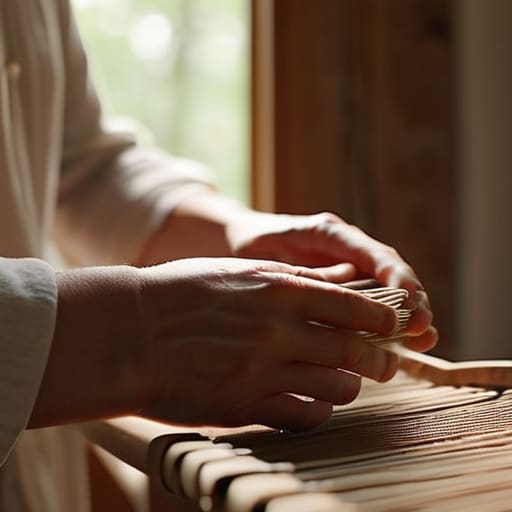
As we wrap up our conversation today, I want you to take a moment to look back at everything we’ve explored. We’ve talked about how intentionality can soothe a racing mind, how quiet intent acts as an anchor against anxiety, and how finding that elusive flow state can transform a simple hobby into a profound ritual of self-care. Building a mindful making practice isn’t about achieving perfection or producing a masterpiece every time you sit down; it’s about the gentle reclamation of your own time. Whether you are knitting, painting, or woodworking, remember that the magic lies in the rhythm of the process rather than the final result sitting on a shelf.
If you’re feeling a little overwhelmed by where to start, please know that I’ve been there too—staring at a blank canvas or a tangled mess of yarn, feeling like I had nothing to give. My advice? Just start small. Give yourself permission to be messy, to be slow, and most importantly, to be present. This practice is a gift you give to your future self, a way to build a sanctuary of calm in an otherwise noisy world. So, go ahead, pick up your tools, and breathe your way into your creativity. You deserve this space to just be.
Frequently Asked Questions
What if I feel like my creative work is "bad" or messy—how do I stop my inner critic from ruining the mindfulness aspect?
Oh, I have been there so many times. I remember sitting on my yoga mat, trying to find peace, only to have my brain scream, “You’re doing this wrong!” When that inner critic starts nitpicking your messy stitches or wonky sketches, try to shift your focus from the result to the sensation. Remind yourself: “This isn’t about the masterpiece; it’s about the movement.” Let the mess be part of the process. Perfection is the enemy of presence.
I struggle to find consistent time in my busy schedule; are there ways to practice mindful making in just five or ten minutes?
Oh, I hear you so loudly on this! When I was navigating the corporate grind, I used to think I needed a whole afternoon of uninterrupted silence to “be mindful,” but that’s just not realistic for most of us. Honestly, the magic often happens in those tiny pockets. Try “micro-making”—just five minutes of sketching, knitting, or even doodling. It’s not about the masterpiece; it’s about that quick, intentional reset for your nervous system.
Do I need to have a specific hobby or craft to do this, or can I apply these principles to everyday tasks like cooking or gardening?
Oh, I am so glad you asked that! Honestly, that is one of my favorite misconceptions to clear up. You absolutely do not need a fancy studio or expensive supplies to practice mindful making. Whether you’re kneading dough for a sourdough loaf, weeding your garden, or even just folding laundry, the magic lies in your intention. It’s about bringing that same presence and sensory awareness to whatever is right in front of you.