I still remember those late nights in my old corporate office, staring at spreadsheets until the tiny black numbers began to dance and blur against the glowing white screen. My head would throb, a dull ache creeping in behind my temples, and I’d find myself rubbing my eyes just to feel something other than that heavy, gritty exhaustion. I used to think I just needed more caffeine or perhaps a pair of those ridiculously expensive blue-light glasses that everyone was raving about, but the truth was much simpler. Learning how to protect your eyes doing detailed work isn’t about buying a fancy gadget; it’s about understanding the subtle, physiological signals your body is sending you before you hit a total breaking point.
I’m not here to sell you a miracle supplement or a high-tech workstation setup that costs a month’s rent. Instead, I want to share the practical, evidence-based rituals that actually moved the needle for me when I was navigating that high-pressure chaos. We’re going to dive into some gentle, mindful shifts—small changes in how you breathe, how you blink, and how you frame your environment—that will help you maintain your focus without sacrificing your well-being. Let’s find a way to nurture your vision so you can stay deeply engaged in your craft without the burnout.
Table of Contents
- The Gentle Rhythm of the 20 20 20 Rule for Eye Health
- Creating Sanctuary Through an Ergonomic Workspace Setup
- Small Shifts for Softer Sight: My Favorite Ways to Ease the Strain
- Small Shifts for Lasting Visionary Wellness
- Honoring Your Vision
- Honoring Your Vision and Your Flow
- Frequently Asked Questions
The Gentle Rhythm of the 20 20 20 Rule for Eye Health
I remember back when I was consulting for a high-pressure tech firm in San Francisco, I’d see brilliant people staring at screens for hours, completely oblivious to the tension building behind their eyes. They weren’t just tired; they were physically drained by the constant, unblinking focus. This is where the 20-20-20 rule for eye health becomes a total game-changer. It’s such a simple, rhythmic way to interrupt that trance-like state we fall into when we’re deep in a project.
The concept is beautifully straightforward: every 20 minutes, you take a moment to look at something at least 20 feet away for at least 20 seconds. It sounds almost too easy, doesn’t it? But that brief pause is essential for preventing digital eye strain because it allows your eye muscles to finally relax from their intense, near-distance contraction. I like to pair this with a deep, mindful breath—it turns a simple physiological necessity into a tiny, restorative micro-meditation. It’s not just about your vision; it’s about reclaiming your sense of presence throughout the workday.
Creating Sanctuary Through an Ergonomic Workspace Setup
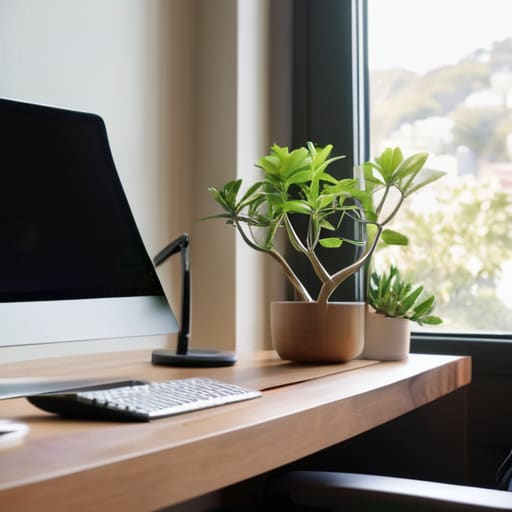
I remember back when I was consulting for a high-pressure tech firm in San Francisco, I noticed so many brilliant professionals hunching over their laptops, practically merging with their desks. It wasn’t just their posture that suffered; their eyes were paying the price too. Creating an ergonomic workspace setup isn’t just about getting a fancy chair; it’s about designing an environment that respects your biology. I always suggest positioning your monitor about an arm’s length away and slightly below eye level. This subtle shift prevents you from leaning forward and straining those delicate ocular muscles, which is a huge part of preventing digital eye strain before it even starts.
Beyond the physical placement, let’s talk about the “vibe” of your lighting. We often make the mistake of working in a dim room with a bright screen, which is a recipe for disaster. Aim for optimal task lighting levels by using ambient light that reduces the contrast between your screen and your surroundings. If you find yourself squinting by 3:00 PM, it might be time to explore some blue light filtering solutions or even a simple warm-toned desk lamp. When your space feels like a sanctuary rather than a cockpit, your focus—and your vision—will naturally flourish.
Small Shifts for Softer Sight: My Favorite Ways to Ease the Strain
- I’ve learned the hard way that lighting is everything. Instead of battling harsh overhead fluorescents that feel like they’re piercing your soul, try layering in some warm, indirect light. A small, adjustable desk lamp can create a soft glow that reduces the heavy contrast between your screen and the room, making everything feel a little more gentle on your gaze.
- Don’t forget to blink! It sounds so simple, almost silly, but when we get into that “flow state” during deep work, we often forget to blink naturally. This can leave our eyes feeling gritty and tired. I like to make a mental note to consciously blink more often—it’s like a tiny, refreshing splash of water for your eyes every single time you do it.
- Let’s talk about your screen’s “temperature.” Most of us are staring at blue light all day, which can be incredibly taxing on our nervous systems. I always recommend playing around with your device’s “night shift” or blue light filter settings. Even during the day, warming up those tones can make the digital world feel much less aggressive and much more soothing.
- Treat your eyes to some “distant gazing.” Whenever you finish a task or take a quick breather, try to look out a window at something far away—a tree, a cloud, or even just the horizon. It’s a beautiful way to reset your eye muscles, which have been working so hard to focus on things just inches from your face. It’s a micro-meditation for your vision.
- Hydration isn’t just for your brain; it’s for your eyes, too! I used to think my dry eyes were just a side effect of my screen time, but I realized I was often just dehydrated. Keeping a beautiful glass of water on your desk is a lovely ritual that ensures your body—and your eyes—have the moisture they need to stay comfortable through even the most intense projects.
Small Shifts for Lasting Visionary Wellness
Think of your eyes like any other muscle; they need intentional moments of rest, like the 20-20-20 rule, to prevent the fatigue that comes from constant focus.
Your physical environment is more than just furniture; by optimizing your lighting and ergonomics, you’re creating a supportive sanctuary that reduces physical strain.
True productivity isn’t about pushing through the discomfort, but about listening to your body’s subtle cues and honoring your need for stillness throughout the workday.
Honoring Your Vision
“We often treat our eyes like machines that never need rest, but they are windows to our well-being. Protecting your vision isn’t just about preventing strain; it’s about honoring the very senses that allow you to connect deeply with the beautiful details of your life and work.”
Sophia Reynolds
Honoring Your Vision and Your Flow
As we wrap up our journey into eye wellness, I want you to take a moment to reflect on how much these small shifts can change your entire workday. Protecting your vision isn’t just about following a checklist; it’s about integrating the 20-20-20 rule into your natural rhythm and curating a workspace that feels like a true sanctuary rather than a source of strain. Whether you’re adjusting your monitor height or simply remembering to blink more often, you are actively choosing to honor your body’s subtle signals instead of pushing through the discomfort. These tiny, intentional adjustments are the building blocks of a sustainable, high-performing lifestyle.
At the end of the day, remember that your ability to focus and create is one of your greatest gifts, but it requires stewardship. We often get so caught up in the “doing”—the endless emails, the intricate designs, the deep research—that we forget the importance of the “being.” Don’t let the pursuit of productivity come at the cost of your physical well-being. I truly believe that when we nurture our senses, we unlock a deeper level of creativity and presence. So, as you dive back into your next project, do so with intention, breathe deeply, and always keep your vision clear—both literally and metaphorically.
Frequently Asked Questions
I've tried the 20-20-20 rule, but I find it so hard to remember when I'm in a deep flow state—are there any gentle ways to build this habit without breaking my concentration?
I completely hear you—that “flow state” is such a beautiful, productive place, and the last thing you want to do is snap yourself out of it. I used to struggle with this too! Instead of a jarring alarm, try using a gentle “sensory nudge.” A soft, melodic chime on your phone or a visual cue, like a small crystal on your desk, can act as a quiet reminder to blink and soften your gaze without shattering your focus.
Besides adjusting my desk setup, are there specific types of lighting or even certain screen filters that actually make a difference for long-term eye fatigue?
That is such a thoughtful question! Beyond your desk setup, lighting is everything. I always recommend soft, indirect ambient light to prevent harsh glares that force your eyes to overwork. As for screens, blue light filters or “night mode” settings can be a total game-changer, especially if you’re working late. They mimic a warmer, more natural light, which helps soothe your nervous system and keeps that digital fatigue at bay.
When my eyes start to feel heavy or strained halfway through the day, are there any quick mindfulness or stretching techniques I can use to find immediate relief?
Oh, I know that heavy, foggy feeling so well—I used to hit that wall every afternoon during my corporate days. When that happens, try “palming.” Rub your hands together to warm them up, then gently cup them over your closed eyes, blocking out all light. Breathe deeply into that warmth for a minute. It’s like a tiny reset button for your nervous system and your vision, helping you find stillness amidst the grind.