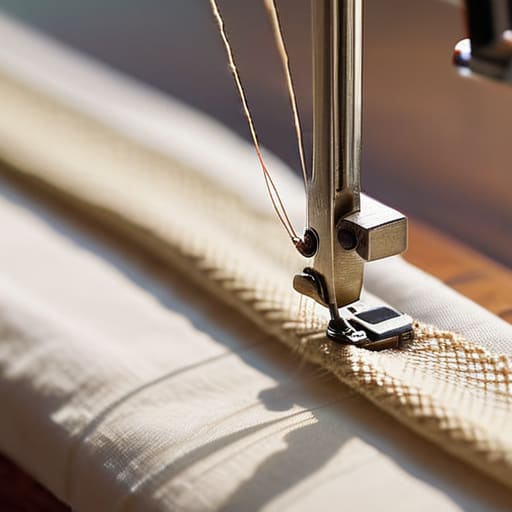
I remember sitting on my living room floor in my tiny first apartment, surrounded by scraps of fabric and a growing sense of frustration, staring at a jagged, wavy line that looked more like a mountain range than a stitch. I used to think that mastering how to sew a straight seam required some sort of innate, superhuman precision that I simply didn’t possess. But after years of studying the connection between focus and flow, I realized that my crooked stitches weren’t a failure of skill; they were a symptom of a scattered mind. When we rush through the technical details of a craft, our hands tend to mimic the frantic pace of our thoughts.
In this guide, I’m stripping away the intimidation and getting down to the beautiful, rhythmic basics of sewing. I won’t promise you perfection on your first try, but I will show you how to cultivate the mindful presence needed to guide your fabric with confidence. We’ll walk through the essential setup, the importance of guiding your tension, and a few of my favorite little tricks to keep your needle moving in a true, steady line. Let’s turn this technical hurdle into a moment of calm, creative flow.
Table of Contents
- Step-by-Step Instructions
- Mastering Control Guiding Fabric With Intentional Hands
- Finding Your Flow Through Perfect Thread Tension Adjustment
- Small Shifts for Steady Success: My Top 5 Tips for Seamless Sewing
- Embracing the Rhythm of the Stitch
- The Zen of the Straight Line
- Finding Your Rhythm in Every Stitch
- Frequently Asked Questions
Guide Overview
Tools & Supplies
- Sewing machine and thread
- Fabric scissors or rotary cutter
- Seam ripper for mistakes
- Fabric scraps (2 pieces)
- Sewing machine thread (1 spool)
Step-by-Step Instructions
- 1. Before we even touch the needle, I want you to take a moment to prep your space. Lay out your fabric on a flat, stable surface and make sure your iron is nearby. I’ve found that pre-shrinking your fabric with a quick steam can save you so much heartache later on, ensuring your beautiful work doesn’t warp after the first wash.
- 2. Now, let’s talk about your tools. Thread your machine or hand-needle with a high-quality thread that complements your fabric weight. As you thread, try to view it as a miniature mindfulness exercise; focus on the glide of the thread and the precision of the movement to ground yourself before the actual sewing begins.
- 3. Once you’re threaded, it’s time to find your line. Use a piece of tailor’s chalk or a disappearing ink pen to mark a faint guide on the “right” side of your fabric. This isn’t about being rigid or perfectionistic, but rather about giving your eyes a gentle roadmap to follow so you feel more confident as you move forward.
- 4. Begin your stitch by placing the edge of the fabric under the presser foot, but here’s my little secret: don’t start sewing immediately. Hold the tails of your thread firmly with your non-dominant hand to prevent them from pulling or bunching, which helps maintain a steady, rhythmic tension right from the very first stitch.
- 5. As you start moving, keep your eyes focused about an inch ahead of the needle rather than directly under it. This subtle shift in perspective allows you to anticipate any slight wobbles in the fabric, helping you maintain a straight path with much more ease and grace.
- 6. If you feel yourself rushing or getting frustrated because the line isn’t perfectly laser-straight, please stop. Take a deep breath, unpick the last few stitches if you must, and simply start again with intention. Remember, sewing is a practice of presence, not a race to the finish line.
- 7. Finally, once you reach the end of your seam, backstitch at both the beginning and the end to secure your work. This tiny extra step provides the structural integrity your project needs to last, allowing you to finish your session feeling a sense of true, tangible accomplishment.
Mastering Control Guiding Fabric With Intentional Hands
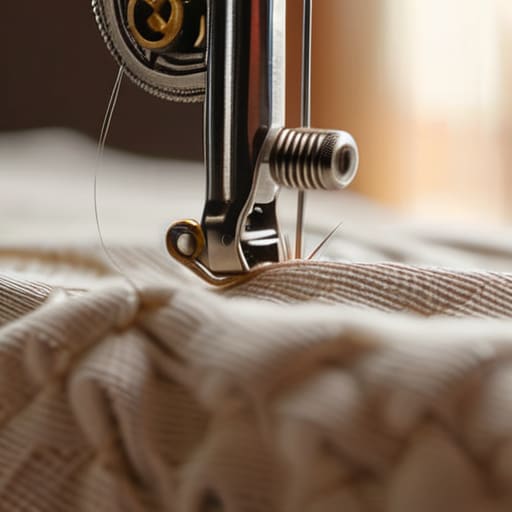
I remember back when I first started my own creative journey, I used to treat my sewing machine like a race car, trying to push through the fabric as fast as possible. I thought speed was the key to efficiency, but I quickly learned that true mastery comes from a place of calm. When you are controlling fabric with hands, it’s less about force and more about a gentle, guiding presence. Think of it like a mindful meditation; you want to provide just enough direction to keep the edges aligned without tugging or pulling, which can actually distort your beautiful textiles.
If you find yourself struggling with stitching straight lines for beginners, don’t be too hard on yourself—it’s a skill that requires patience. A little secret I picked up during my corporate wellness days is to use visual anchors. You can use the markings on your throat plate or even a magnetic sewing machine foot guide to act as your North Star. If you notice the fabric wandering, take a deep breath, slow your pace, and remember that sewing is a rhythmic dance between your hands and the machine.
Finding Your Flow Through Perfect Thread Tension Adjustment
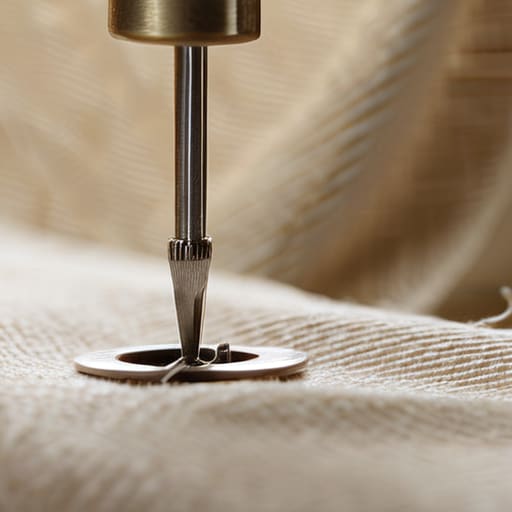
Sometimes, even when your hands are steady, the machine seems to have a mind of its own. I remember my first week in a high-pressure corporate role, feeling like no matter how hard I worked, the “tension” in my life was just slightly off, causing everything to fray at the edges. Sewing can be remarkably similar. If you notice your stitches looking looped or pulling too tightly against the fabric, it’s usually a sign that you need a little thread tension adjustment. It’s not a failure; it’s just a conversation between you and your machine, finding that sweet spot where everything aligns.
When you’re troubleshooting uneven seams, try to view it as a mindfulness exercise rather than a frustration. Take a moment to check your sewing machine needle settings and ensure they match the weight of your fabric. Often, a tiny tweak to the tension dial can transform a chaotic stitch into a seamless flow. Think of it as finding your center—once the tension is balanced, you can stop fighting the machine and start truly enjoying the rhythmic dance of the needle.
Small Shifts for Steady Success: My Top 5 Tips for Seamless Sewing
- Slow down your pace; I used to rush through my projects thinking speed meant skill, but I learned that sewing a straight line is actually a meditative practice where your needle should move in rhythm with your breath.
- Use a seam guide or even a simple piece of painter’s tape on your machine; giving your eyes a physical boundary acts like a “mindfulness anchor,” helping you stay focused on the path ahead rather than getting lost in the complexity of the fabric.
- Prioritize your lighting to reduce mental fatigue; just as we need soft light for meditation, your eyes need clear, bright light to catch those tiny deviations in your stitch line before they become frustrating mistakes.
- Don’t forget the power of a fresh needle; it sounds simple, but a dull needle creates unnecessary friction and tension, much like trying to navigate a busy workday without a clear plan, making even the simplest tasks feel much harder than they should be.
- Practice “gentle guidance” rather than force; instead of gripping the fabric tightly, let it glide through your fingers, trusting that your preparation and your machine will do the heavy lifting while you simply provide the direction.
Embracing the Rhythm of the Stitch
Remember that a straight seam isn’t just a technical goal; it’s a practice in mindfulness where steady breathing and a calm mind lead to much more graceful hand movements.
Don’t let a single crooked line discourage you—view every stitch as an opportunity to recalibrate your focus and find your flow rather than a test of perfection.
True mastery comes from the harmony between your tools and your intent, so treat your tension adjustments and fabric guiding as a meditative ritual rather than a chore.
The Zen of the Straight Line
“Think of a straight seam not just as a technical requirement, but as a moving meditation; when we stop rushing toward the finished garment and instead focus on the steady, intentional rhythm of the needle, we find that precision is simply a byproduct of being truly present.”
Sophia Reynolds
Finding Your Rhythm in Every Stitch
As we wrap up this journey of the needle and thread, I want you to take a moment to reflect on how far you’ve come. We’ve moved through the technicalities of guiding your fabric with intentionality and the delicate dance of adjusting your thread tension to find that perfect, effortless glide. Remember, sewing a straight seam isn’t just about the physical mechanics of the machine; it’s about the integration of focus and patience. By mastering these small, foundational movements, you aren’t just creating a seam—you are building the muscle memory of mindfulness that will serve you in every project you undertake.
At the end of the day, please be kind to yourself if your lines aren’t perfectly laser-straight just yet. I remember my own early days in my Oregon studio, feeling so frustrated when my seams wobbled, until I realized that the beauty of creating lies in the process, not just the finished product. Let this practice be a sanctuary for you—a place where you can slow down, breathe, and simply be present. Whether you are sewing a simple hem or a complex garment, trust that every stitch is a step toward your own unique creative harmony. Keep creating, keep breathing, and most importantly, keep enjoying the journey.
Frequently Asked Questions
What should I do if I notice my seam is starting to wander or curve halfway through a long stretch?
Oh, I’ve been there! It’s so easy to lose that rhythm when you’re mid-stretch. When you feel your seam starting to wander, don’t fight it with tension. Stop, take a deep breath, and pivot. Unpick the wandering section—think of it as clearing mental clutter—and restart from the last stable point. Sometimes, a quick “micro-break” to reset your posture and refocus your eyes is exactly what your hands need to find their center again.
How can I tell if my needle is actually the reason my straight lines are looking jagged or uneven?
It’s such a common frustration, but don’t let it dim your creative spark! If you notice tiny holes in your fabric or if the thread looks like it’s “looping” or bunching up, your needle is likely the culprit. A dull or slightly bent needle can’t pierce the fibers cleanly, causing those jagged zig-zags. Think of it as a misalignment in your routine—sometimes, a fresh start with a brand-new needle is exactly the reset you need.
Is there a way to practice sewing straight lines without feeling like I'm constantly fighting against the fabric?
Oh, I hear you so clearly. I remember feeling that exact same friction when I first started—it felt less like creating and more like a wrestling match! To stop the fight, try “anchoring” your non-dominant hand lightly on the fabric just ahead of the needle. It’s not about force; it’s about gentle guidance. Think of it as a dance rather than a tug-of-war. When you move with intention instead of tension, the fabric finally starts to follow your lead.