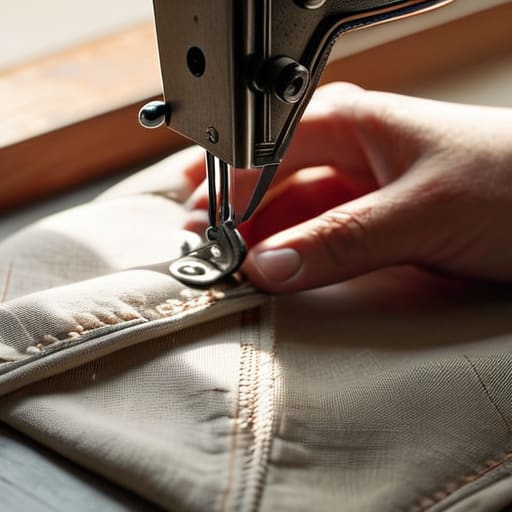
I remember sitting on my floor in a cramped San Francisco apartment, surrounded by scraps of heavy canvas and a mounting sense of frustration, thinking I’d never master the simple rhythm of a needle and thread. I had watched dozens of tutorials, but they all felt so clinical—like they were teaching a machine rather than a person. The truth is, most people think you need a professional studio to learn how to sew a tote bag, but that’s a total myth. In reality, sewing isn’t about perfection or expensive equipment; it’s about finding your flow and reclaiming a sense of tactile peace in a digital world.
In this guide, I’m stripping away the complicated jargon to give you a straightforward, soulful approach to crafting your very own carryall. We aren’t just going to follow a list of instructions; we are going to focus on the intentionality of each stitch. I’ll walk you through everything from selecting the right fabric to the final seam, ensuring you walk away with a sturdy, beautiful bag and a renewed sense of calm. Let’s turn this project into your own personal moment of mindfulness.
Table of Contents
- Step-by-Step Instructions
- Finding Calm Through Canvas Fabric for Sewing
- Essential Sewing Notions for Tote Bags and Structure
- Small Rituals for a Seamless Stitch: My Top 5 Tips for Tote Bag Success
- Small Stitches, Big Shifts: My Final Thoughts for You
- The Rhythm of the Stitch
- Carrying Your Creation Forward
- Frequently Asked Questions
Guide Overview
Tools & Supplies
- Sewing machine for stitching seams
- Fabric scissors for clean cuts
- Pins or clips to hold fabric in place
- Measuring tape or ruler for accuracy
- Iron for pressing seams flat
- Cotton fabric (1 yard)
- Interfacing (optional, for structure)
- All-purpose thread (1 spool)
Step-by-Step Instructions
- 1. First, let’s gather our materials with a sense of intention. You’ll need about a yard of your favorite sturdy cotton or canvas, some matching thread, and a pair of sharp fabric scissors. As you lay everything out on your workspace, I like to think of this as setting the stage for a little moment of creative calm in your day.
- 2. Next, it’s time to measure and cut. Use a ruler to mark out two identical rectangles for your bag body—something like 15 by 17 inches—and two long, narrow strips for your handles. I always suggest taking a deep, grounding breath before you make that first cut; it helps steady your hand and keeps you present with the texture of the fabric.
- 3. Now, we’ll prepare the handles by folding your long strips in half lengthwise, wrong sides together. Pin them down and sew along the long edge to create two sturdy straps. Once they’re done, turn them right-side out using a safety pin, and as you smooth the seams with your fingers, really feel the rhythm of the work you’re doing.
- 4. To create the body of your bag, place your two large rectangles together with the “pretty” sides facing each other. Pin the sides and the bottom, then sew along those three edges using a 1/2-inch seam allowance. I’ve found that focusing on the steady hum of the sewing machine can be a wonderful way to enter a flow state, much like a moving meditation.
- 5. Let’s turn the bag right-side out through the top opening. Once the fabric is through, give it a good shake and use your fingers to press the seams flat. If you have an iron nearby, a quick press will make everything look incredibly professional, but even without one, the act of smoothing the edges is a lovely way to connect with your creation.
- 6. For the final touch, we need to attach the handles. Fold the top edge of your bag inward by an inch to create a clean hem, and pin your handles so they are spaced evenly apart. When you sew them in place, make sure to sew a small square with an “X” through it where the strap meets the bag; this adds extra strength so your bag can carry your daily essentials without worry.
- 7. Finally, take a moment to step back and admire what you’ve built. Whether it’s for carrying groceries or your favorite journal, this bag is a physical reminder that you can create something beautiful even in the midst of a busy life.
Finding Calm Through Canvas Fabric for Sewing
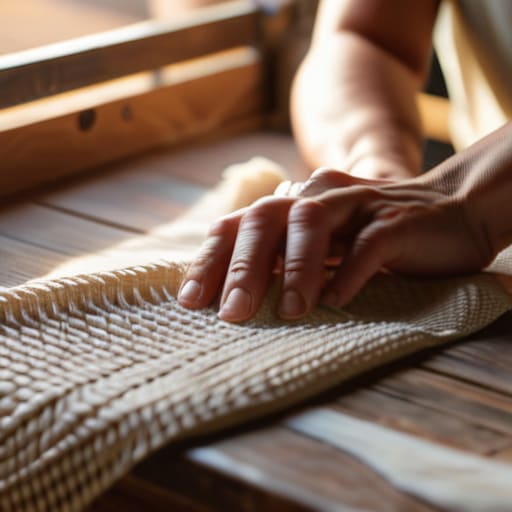
There is something incredibly grounding about the weight of high-quality canvas fabric for sewing. I remember one particularly frantic Tuesday during my corporate years when I decided to pick up a needle and thread just to quiet my racing thoughts. As you run your hands over the sturdy, textured surface of the canvas, I invite you to treat it as a sensory anchor. Instead of rushing to finish, let the tactile sensation of the weave bring you back to the present. This isn’t just about making a functional item; it’s about cultivating a moment of stillness in a world that rarely stops to breathe.
As you transition from cutting to construction, you might find that the material requires a bit more intention. When you begin adjusting your sewing machine settings for heavy fabric, view that technical adjustment as a metaphor for setting boundaries in your own life—it’s all about finding the right pressure to move forward effectively. Don’t be afraid to slow down your pace. If the machine hums a little louder or the fabric feels stubborn, take a deep breath and embrace the rhythm of the process. You aren’t just building a bag; you’re building resilience.
Essential Sewing Notions for Tote Bags and Structure
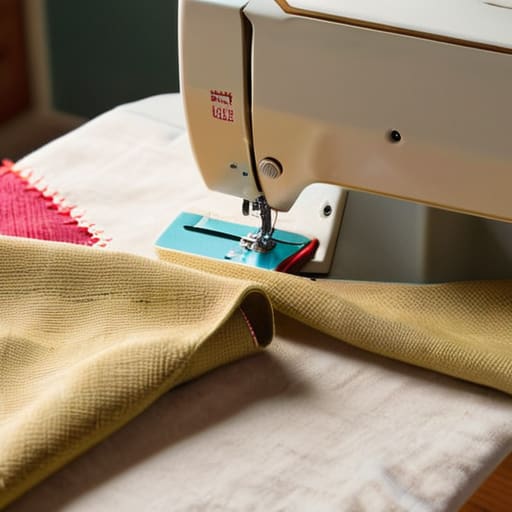
Before you dive into the stitching, I want to talk about the little things that make a big difference. When we look at sewing notions for tote bags, it’s easy to get overwhelmed by the sheer variety of threads, needles, and clips available. However, I’ve learned that the secret to a professional-feeling bag lies in the preparation. If you want your creation to hold its shape even when it’s filled with books or groceries, don’t skip the interfacing for bag structure. It’s like giving your project a gentle, supportive hug, ensuring it stands tall rather than collapsing into a heap.
As you gather your supplies, keep in mind that working with sturdier materials requires a bit of extra mindfulness with your tools. If you’re using a heavy canvas, you’ll want to double-check your sewing machine settings for heavy fabric to avoid any unnecessary tension or frustration. I always recommend a quick test scrap first; it’s a wonderful way to practice patience before the real work begins. Taking these few extra minutes to prep your notions isn’t just about the technical side—it’s about setting yourself up for a flow state where creativity can truly thrive.
Small Rituals for a Seamless Stitch: My Top 5 Tips for Tote Bag Success
- Embrace the beauty of the “measure twice, cut once” philosophy; it’s not just about precision, it’s about practicing patience and giving yourself the grace to slow down before making a permanent decision.
- Treat your iron like a mindfulness tool—using steam to press your seams flat isn’t just a technical step, it’s a rhythmic, soothing way to ground yourself in the tactile reality of your craft.
- Don’t fear the fray; if you’re working with a loose-weave canvas, a quick zigzag stitch or a bit of fray check can save you so much stress later, much like setting healthy boundaries saves our mental energy.
- Listen to your machine’s song; if the rhythm of your sewing changes, it’s often a sign to pause, take a sip of tea, and check your tension, rather than pushing through the friction.
- Celebrate the “perfectly imperfect” seams—remember that the slight variations in your hand-sewn bag are the fingerprints of your unique journey, making the final piece far more soulful than something factory-made.
Small Stitches, Big Shifts: My Final Thoughts for You
Remember that the goal isn’t a “perfect” bag, but the presence you cultivate while making it; let every rhythmic movement of the needle serve as a tiny anchor to the present moment.
View your sewing space as a sanctuary for intentionality, where choosing your fabrics and tools becomes a mindful ritual rather than just another task on your to-do list.
Carry the sense of accomplishment you feel when you finish this project into your daily life, using it as a gentle reminder that even the most complex journeys are built one purposeful stitch at a time.
The Rhythm of the Stitch
“When you’re guiding that fabric through the machine, try not to focus solely on the finished bag; instead, find the rhythm in the hum of the motor and the steady pull of the thread. Sewing a tote isn’t just about creating something useful—it’s about those quiet, intentional moments where you allow yourself to simply be present, one stitch at a time.”
Sophia Reynolds
Carrying Your Creation Forward
As you thread your needle one last time and smooth out those final seams, take a moment to look at what you’ve actually accomplished. You didn’t just follow a set of instructions to assemble fabric and notions; you practiced the art of intentional creation. From selecting the perfect, grounding canvas to carefully organizing your sewing notions, every step was a lesson in patience and presence. By slowing down to focus on the rhythmic movement of your machine and the tactile feel of the cloth, you’ve turned a simple DIY project into a profound exercise in mindful productivity. You’ve proven that even the most functional objects can be born from a place of stillness and focus.
Now, as you pick up your finished tote and head out into the world, I want you to remember that this bag is more than just a vessel for your daily essentials. It is a tangible reminder of your ability to pause, breathe, and build something beautiful from scratch. Let this bag be a symbol of your commitment to living with intention. Whether you’re rushing to a meeting or strolling through a local farmer’s market, let it remind you that even in our busiest seasons, we always have the power to create our own sense of calm. You are doing much more than just sewing; you are crafting a life that feels as good as it looks.
Frequently Asked Questions
I’m a bit worried about the handles—how can I make sure they’re strong enough to carry my heavy books without feeling uncomfortable on my shoulders?
I completely hear you—there’s nothing more frustrating than a bag that gives out right when you need it most! To ensure your tote can handle those heavy textbooks, I recommend using cotton webbing or double-layered fabric strips for the handles. For extra comfort, try sewing a small piece of soft interfacing inside the handles to add structure without stiffness. It’s all about that balance of strength and softness, much like finding stability in our own daily rhythms.
What should I do if my fabric is a bit thicker or more textured, like a heavy linen, to make sure my sewing machine doesn't struggle?
Oh, I’ve been there! I remember struggling with a heavy hemp canvas during a particularly stressful week—the machine just wouldn’t budge. If you’re working with a beautiful, thick linen, first, swap in a fresh, heavy-duty needle (like a size 90/14 or 100/16). It makes such a difference! Also, try slowing down your sewing speed; it’s a wonderful way to practice patience. Think of it as a rhythmic, mindful dance between you and your machine.
Is there a way to add a little extra "soul" or personality to my bag, perhaps through simple embellishments that don't feel overwhelming?
Oh, I love this question! It’s about moving from “making a thing” to “creating a piece of yourself.” To keep it subtle, try adding a single, meaningful embroidery detail—maybe a tiny wildflower or a geometric shape—in a thread color that speaks to you. Even something as simple as a vintage wooden button or a small piece of lace tucked into a seam can add so much warmth. It’s these little intentional touches that truly breathe life into your work.