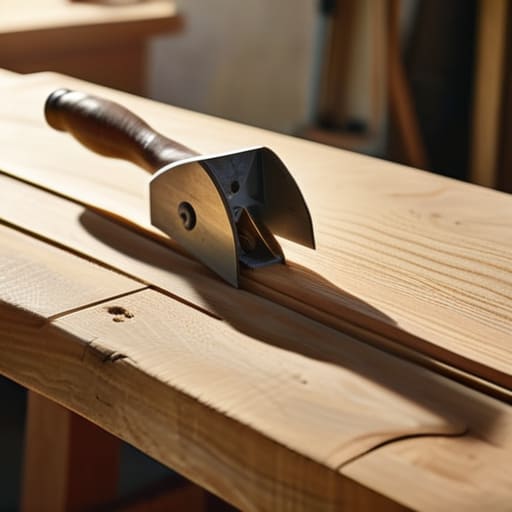
I still remember the scent of cedar and the fine, stinging dust in my lungs the first time I stepped into a local maker’s space back in Oregon. I was coming off a grueling corporate stint, my mind a frantic mess of spreadsheets and unread emails, and I thought I needed a “hobby” to distract me. Instead, I found a sanctuary. But when I first looked into how to start woodworking, I was met with this overwhelming, expensive myth that I needed a professional-grade workshop and a thousand-dollar table saw just to make a simple birdhouse. It felt more like a barrier to entry than an invitation to create, and honestly, it’s a misconception that keeps so many brilliant, creative souls from ever picking up a chisel.
I’m not here to sell you on a lifestyle of endless, pricey gadgetry or to overwhelm you with technical jargon that feels more like a textbook than a craft. My goal is to strip away the noise and show you that woodworking is actually a mindful practice of patience and presence. I’m going to guide you through the essential, low-stress steps of how to start woodworking using only what you truly need to find your rhythm. We are going to focus on the intentionality of the process, ensuring your journey into craftsmanship is as restorative for your soul as it is productive for your hands.
Table of Contents
- Curating Your Sanctuary a Mindful Woodworking Workshop Setup
- The Gentle Path Mastering Essential Beginner Woodworking Skills
- Embracing the Process: 5 Ways to Keep Your Soul in the Sawdust
- Embracing the Rhythm of the Craft
- Finding Your Rhythm in the Grain
- Embracing the Grain: Your Journey Begins
- Frequently Asked Questions
Curating Your Sanctuary a Mindful Woodworking Workshop Setup
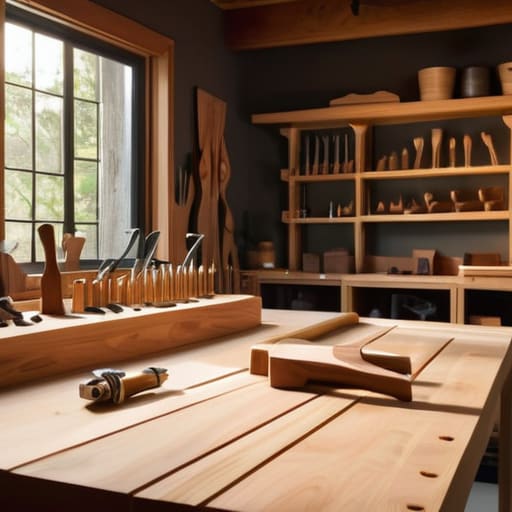
When I first transitioned from a high-stress corporate environment to a more creative lifestyle, I realized that our physical surroundings act as a mirror for our mental state. Creating a dedicated space for your craft isn’t just about organization; it’s about intention. When planning your woodworking workshop setup, I encourage you to think of it as designing a sanctuary rather than just a garage or a basement corner. You want a space that invites you to stay, where every tool has a home and the light feels just right for your focus.
As you begin to gather your supplies, don’t feel pressured to buy everything at once. In fact, I often find that the debate between hand tools vs power tools can become a source of unnecessary overwhelm. My advice? Start small and focus on quality over quantity. Most importantly, never compromise on your well-being; investing in essential woodworking safety gear—like high-quality eye protection and a reliable dust mask—is the ultimate act of self-care. By prioritizing safety and a sense of calm from the very start, you ensure that your new hobby remains a source of joy rather than a source of stress.
The Gentle Path Mastering Essential Beginner Woodworking Skills
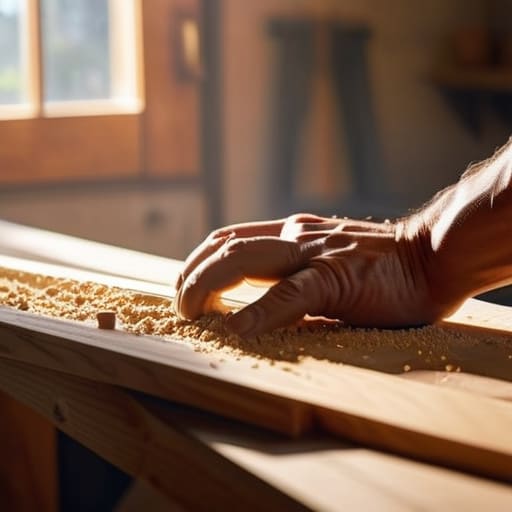
When you first step into the rhythm of crafting, it’s easy to feel overwhelmed by the sheer variety of techniques available. I remember when I first tried to build a simple shelf; I was so focused on the end result that I completely missed the meditative process of the work itself. To find your flow, I recommend starting with the fundamental beginner woodworking skills, such as learning how to make clean, straight cuts and understanding how to join two pieces of timber together. Instead of rushing toward complex joinery, treat each saw stroke as a way to practice presence.
A common crossroads many of my clients face is the debate of hand tools vs power tools. While power tools offer efficiency, I’ve found that starting with manual tools can be incredibly grounding. There is something deeply soul-soothing about the tactile resistance of a hand plane against a piece of cedar. As you progress, you’ll naturally begin to understand different types of wood for beginners, like pine or poplar, which are much more forgiving as you find your footing. Remember, this isn’t a race to the finish line; it’s a slow, beautiful dance between your intention and the material.
Embracing the Process: 5 Ways to Keep Your Soul in the Sawdust
- Honor the “Slow Wood” Philosophy: It’s so tempting to rush toward the finished product, especially when we’re used to the instant gratification of our digital lives. I’ve learned that the real magic happens in the slow, deliberate strokes of a hand plane. Try to view every mistake not as a failure, but as a moment to pause, breathe, and recalibrate your rhythm.
- Curate a Sensory Connection: Woodworking isn’t just a visual or tactile task; it’s a sensory experience. I always recommend leaning into the scent of cedar or the rhythmic sound of a rasp. When you engage all your senses, you move from mere “task completion” into a state of flow, which is where true mindfulness lives.
- Practice the Art of Iteration: In my corporate days, I was obsessed with getting things perfect the first time. In the workshop, I’ve learned that perfection is the enemy of presence. Start with small, “disposable” projects—like a simple coaster or a birdhouse—where the stakes are low and your only goal is to feel the grain under your fingers.
- Build a Ritual, Not Just a Routine: Don’t just walk into your workspace and start hammering. Create a small ritual to signal to your brain that it’s time to transition from the chaos of the day to the stillness of the craft. Maybe it’s lighting a specific candle, putting on a certain playlist, or taking three deep breaths before you even touch a tool.
- Respect the Material’s Story: Every piece of timber has its own history, shaped by years of growth and environmental shifts. When you approach a piece of wood with respect—rather than trying to force it to bend to your will—you’ll find that the work becomes a beautiful, collaborative dance between you and nature.
Embracing the Rhythm of the Craft
Remember that woodworking isn’t a race to a finished product; it’s about finding a mindful flow between your breath, your tools, and the raw beauty of the wood.
View every mistake—a slightly crooked cut or a sanded surface gone wrong—as a gentle lesson in patience rather than a failure of skill.
Prioritize the creation of a dedicated, intentional space that nourishes your spirit, allowing your workshop to become a true sanctuary for both creativity and calm.
Finding Your Rhythm in the Grain
“Starting woodworking isn’t about mastering a complex machine or perfecting a precise cut right away; it’s about the quiet, meditative dance between your breath and the wood, learning to listen to the material as much as you guide it.”
Sophia Reynolds
Embracing the Grain: Your Journey Begins
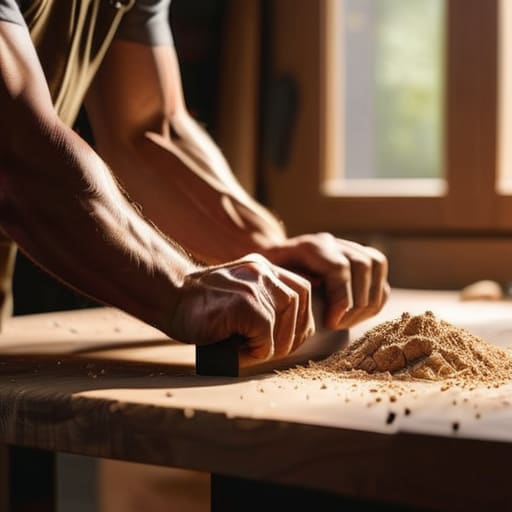
As you step into this new chapter, remember that woodworking is so much more than just a collection of tools and techniques. We’ve talked about creating a sanctuary in your workshop that honors your need for peace, and we’ve explored how mastering the basics is really about cultivating patience and presence. It’s easy to get caught up in the desire to finish a perfect piece of furniture, but the real magic happens in the sawdust and the quiet moments of focus. By intentionally setting up your space and approaching each cut with mindfulness, you aren’t just making objects; you are building a ritual of restoration that feeds your soul as much as your creativity.
Please, be gentle with yourself as you navigate the inevitable mistakes—the slightly crooked joint or the unexpected splinter. In my own journey toward balance, I’ve learned that perfection is often the enemy of progress, and in woodworking, those “errors” are often where the most beautiful character resides. Let this craft be your anchor in a fast-paced world, a place where you can slow down and truly breathe. Trust the process, honor the wood, and most importantly, trust your own rhythm. I can’t wait to see what you create, not just with your hands, but with your heart.
Frequently Asked Questions
How can I manage the noise and dust of woodworking if I live in a small apartment or a shared space?
Living in a cozy apartment doesn’t have to mean sacrificing your creative flow. I used to think I needed a massive garage to start, but it’s really about intention. Focus on “silent” hand tools—chisels and hand saws—which offer a rhythmic, meditative peace rather than a loud roar. For dust, a high-quality HEPA air purifier and a simple vacuum attachment are your best friends. It’s all about creating a clean, calm micro-sanctuary.
I'm worried about the learning curve; how do I know when I'm actually ready to move from basic hand tools to power tools?
I completely hear you—that hesitation is actually a sign of a mindful craftsman. Don’t rush it! You’re ready to transition when the rhythm of hand tools starts feeling intuitive rather than a struggle. When you can confidently execute a clean cut or a precise joint and find yourself craving more efficiency to express your creativity, that’s your signal. Listen to that inner nudge; it’s your intuition telling you it’s time to evolve.
Woodworking can get expensive so quickly—how do I balance investing in quality pieces without feeling overwhelmed by the cost?
I completely hear you—the “gear lust” is real! When I was transitioning out of the corporate grind, I learned that abundance isn’t about how much you own, but how much you use. Instead of a massive spree, try the “one-in, one-out” rule: invest in one high-quality, versatile tool that truly elevates your craft, rather than five mediocre ones. Think of it as slow living for your workshop; quality over quantity always brings more peace.