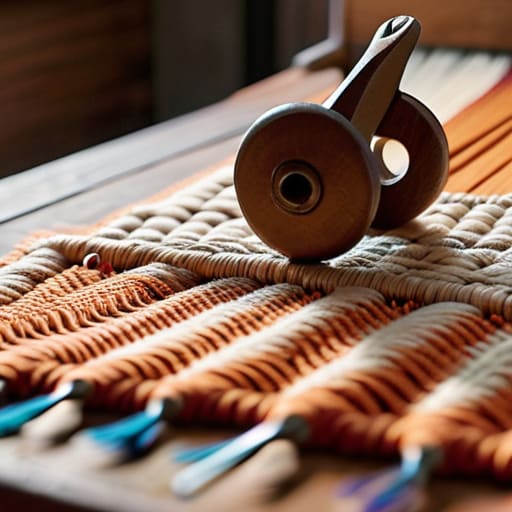
I remember sitting on my floor in a tiny, sun-drenched apartment in San Francisco, surrounded by tangled yarn and feeling utterly defeated by a tiny wooden frame. Everyone tells you that you need a massive, floor-standing loom to create something meaningful, but I’m here to tell you that’s a complete myth. In fact, learning how to weave on a small loom was the very thing that finally allowed me to reclaim my focus during those high-stress corporate years. There is something deeply meditative about the scale of a small loom; it doesn’t demand your whole room, just your entire presence.
In this guide, I’m stripping away the complicated jargon and the intimidating setups to show you the soul of the craft. I’ll walk you through the essential tension techniques, how to select fibers that won’t frustrate a beginner, and my favorite little tricks for maintaining a steady rhythm. My goal isn’t just to teach you a technical skill, but to help you find a sense of rhythmic peace through your creativity. Let’s dive in and turn those loose threads into something beautiful.
Table of Contents
- Step-by-Step Instructions
- Mastering the Loom Warping Process With Intention
- Choosing Your Story Through Thoughtful Yarn Selection for Weaving
- Small Loom, Big Soul: 5 Ways to Deepen Your Weaving Practice
- Finding Your Rhythm in Every Thread
- ## The Rhythm of the Warp and Weft
- Weaving Your Way to Stillness
- Frequently Asked Questions
Guide Overview
Tools & Supplies
- Small frame loom (wood or cardboard)
- Large blunt needle or tapestry needle
- Scissors
- Warp thread (cotton or linen, approx. 20-50 yards)
- Weft yarn (various textures and colors, 1-2 skeins)
- Comb or weaving tool (to pack rows together)
Step-by-Step Instructions
- 1. Before we even touch the yarn, we need to set our intention and prepare our workspace. Clear a small area on your table, perhaps lighting a candle or setting out a cup of herbal tea, to ensure you are approaching this from a place of calm rather than chaos. Once you feel centered, begin by “warping” your loom—this is the process of stringing the vertical threads. I always tell my clients that warping is much like setting the foundation of a new habit; it requires patience and precision to ensure everything is taut and even.
- 2. Next, let’s talk about choosing your materials. I find that working with natural fibers like cotton or wool feels much more grounding to the touch than synthetic blends. As you select your colors, don’t overthink it; let your intuition guide you toward hues that make your heart feel light. Once you have your warp threads securely in place, you’re ready to introduce your “weft,” which is the yarn that travels horizontally through the threads.
- 3. Now, we begin the actual weaving process. Take your shuttle—or even just a small piece of wood if you’re keeping it simple—and pass it through the opening between your warp threads. I like to think of this movement as a rhythmic breath; in and out, steady and slow. As you pull the yarn through, try not to pull it too tight, or you’ll find your fabric bunching up, which can be quite frustrating for a beginner.
- 4. After you’ve passed the yarn through, it’s time to “beat” the thread. Use a small comb or even your fingers to gently push the new strand of yarn up against the previous row. This is a crucial moment for mindful presence; instead of rushing to finish the row, feel the resistance of the fiber and the tactile sensation of the texture forming. This step ensures your weave is tight, even, and beautiful.
- 5. As you continue this cycle of passing the yarn and beating it into place, you might notice your mind wandering to your to-do list. That’s okay! When it happens, simply acknowledge the thought and gently return your focus to the sensation of the yarn sliding through your hands. This repetitive motion is actually a form of “moving meditation,” a technique I often recommend to my corporate clients to combat burnout.
- 6. Every few rows, take a moment to step back and look at your progress. It’s easy to get lost in the microscopic details, but seeing the emerging pattern is where the magic truly happens. If you notice a mistake, don’t be discouraged—it’s just a part of the unique story your piece is telling. In weaving, as in life, perfection isn’t the goal; it’s the authentic expression of your journey.
- 7. Finally, once you’ve reached the end of your loom or achieved the size you desired, you’ll need to “finish” the piece by carefully cutting and securing the warp threads. This can feel a little bittersweet, like finishing a long meditation session, so take a deep breath and honor the time you spent in creation. You’ve transitioned from a state of doing to a state of being, and that is a wonderful accomplishment.
Mastering the Loom Warping Process With Intention
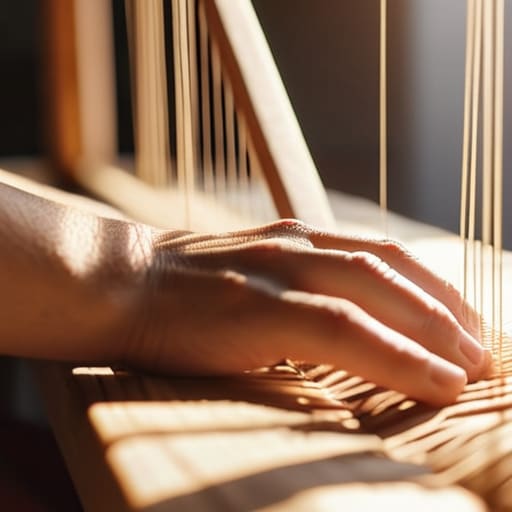
I remember my first time sitting down with a frame loom; I was so focused on the end result that I rushed the setup, only to end up with a tangled, uneven mess. If there is one thing I’ve learned from both my psychology studies and my time at the loom, it’s that the loom warping process is actually a form of meditation. Instead of viewing it as a chore to get through, try to see it as the foundation of your creative peace. As you wind each thread, focus on the tactile sensation of the fiber. This is where you set the stage for everything else, so treat this time with the same reverence you would give to a morning mindfulness practice.
When you move into the actual threading, pay close attention to your weaving tension techniques. It’s so easy to pull too tight when we’re feeling ambitious, but a little bit of “give” is what allows your piece to breathe. I always suggest choosing a soft, forgiving yarn during your initial practice sessions to help build your confidence. Remember, you aren’t just creating a textile; you are cultivating a rhythm that will carry you through the entire project.
Choosing Your Story Through Thoughtful Yarn Selection for Weaving
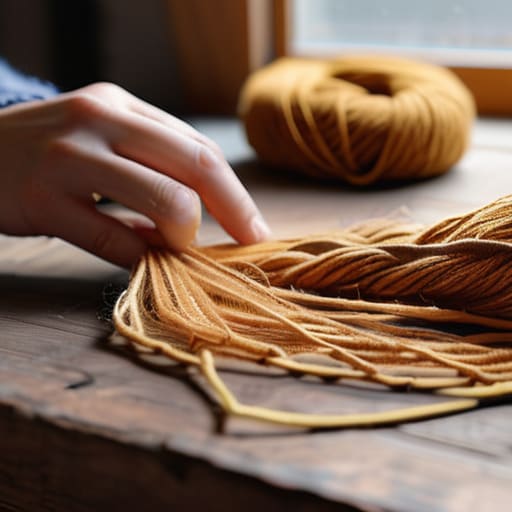
When I first started my journey into tapestry weaving for beginners, I used to think that any ball of yarn would do. I’d grab whatever was in my craft bin, only to realize halfway through that my piece felt clunky or uneven. Now, I view yarn selection for weaving as the very first chapter of the story you’re about to tell. Think of your yarn as the emotional tone of your work; soft, wispy wools might evoke a sense of calm and serenity, while high-contrast cottons can feel energetic and structured.
As you begin to gather your materials, I encourage you to actually touch the fibers. Run them between your fingers and notice how they respond to your warmth. This sensory connection is a beautiful way to practice mindfulness while you prepare. Keep in mind that the weight and twist of your yarn will directly influence your weaving tension techniques later on. If you choose a yarn that is too slippery, you might find yourself constantly adjusting, which can disrupt that lovely meditative flow we’re striving for. Choose fibers that speak to your soul, and the rhythm will follow.
Small Loom, Big Soul: 5 Ways to Deepen Your Weaving Practice
- Embrace the Rhythm of the Shed. It’s easy to get caught up in the technicality of passing the shuttle, but I’ve found that if you treat each pass as a rhythmic breath, the tension in your shoulders naturally melts away. Try to match your movement to a steady, calming cadence.
- Mind Your Tension, Mind Your Mind. In my corporate days, I learned that forced intensity usually leads to burnout—and the same goes for your loom. If you pull too hard, you’ll create uneven edges and unnecessary frustration. Aim for a gentle, consistent tension that feels supportive rather than restrictive.
- Curate a Sensory Sanctuary. Weaving is a tactile journey, so why not make it a sensory one? I love lighting a bit of sandalwood incense or putting on some soft, ambient lo-fi beats. When you engage your other senses, you move from “just completing a task” into a state of true creative flow.
- Honor the “Mistake” as a Creative Pivot. We’ve all been there—a stray thread or a wonky selvedge edge. Instead of seeing it as a failure, I like to view it as the loom’s way of adding character. Sometimes, those little imperfections are exactly what make a handmade piece feel human and soulful.
- Practice Micro-Breaks for Macro-Focus. Even with a small loom, your hands and eyes can get fatigued. I always recommend the 20-20-20 rule, but with a twist: every twenty minutes, look twenty feet away for twenty seconds, and use that moment to take one deep, intentional breath. It keeps your creativity fresh and your posture aligned.
Finding Your Rhythm in Every Thread
Remember that weaving is as much about your internal state as it is about the tension of the yarn; when you approach the loom with patience and intention, the process becomes a moving meditation rather than just a task.
Don’t let the technicalities overwhelm your creative spirit—embrace the small imperfections in your warping or tension, as they often hold the unique story of your journey toward mastery.
Treat your weaving time as a sacred boundary in your day, using the rhythmic motion of the shuttle to transition from the chaos of a busy schedule into a space of mindful presence.
## The Rhythm of the Warp and Weft
“Weaving on a small loom isn’t just about the finished fabric; it’s about the quiet, meditative dance between your hands and the thread. When you slow down to master each pass, you aren’t just creating a textile—you’re weaving moments of stillness into the very fabric of your day.”
Sophia Reynolds
Weaving Your Way to Stillness
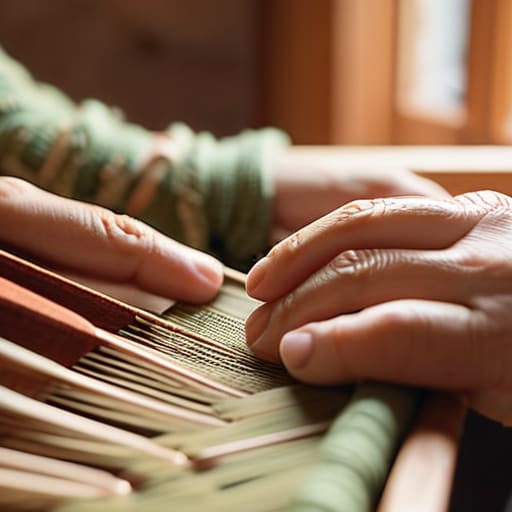
As you begin to see your project take shape, remember that every intentional choice you’ve made—from the meticulous way you warped those threads to the soulful selection of your yarns—has laid the foundation for something beautiful. Weaving on a small loom isn’t just about the technicality of the interlacing fibers; it’s about the rhythm you establish between your hands and your heart. By mastering the tension and honoring the process, you aren’t just creating a textile; you are practicing a form of moving meditation that grounds you in the present moment, turning a simple craft into a sanctuary of focus.
I want you to look at your finished piece not just as a decorative object, but as a tangible reminder of your ability to slow down. In our hyper-connected, high-speed world, choosing to sit with a loom is a radical act of self-care. Let each row you weave be a testament to your patience and a celebration of your unique creative voice. My wish for you is that you continue to find these quiet pockets of joy in your daily life, remembering that when we weave with intention, we aren’t just making art—we are weaving a more mindful life.
Frequently Asked Questions
I'm worried about tension—how do I keep my weaving from becoming too tight or too loose as I work?
I completely hear you—tension anxiety is so real! I remember struggling with this during my first few months of weaving; I’d get so focused on the pattern that I’d subconsciously pull tighter and tighter. My best advice? Treat your tension like your breath. If you feel yourself rushing, pause. Periodically check your selvedges and try to maintain a rhythmic, steady pace. Remember, it’s not about perfection; it’s about finding that gentle, consistent flow.
Are there specific types of yarn that are easier for beginners to manage on a smaller scale?
When you’re just starting out, I always suggest leaning into cotton or bamboo blends. They have a lovely, consistent tension that doesn’t “fight” you, which is so important when you’re still finding your rhythm. Wool is beautiful, but it can be a bit unpredictable for a beginner’s hands. Think of it like meditation—you want a material that flows smoothly, allowing you to focus on the breath and the beat rather than struggling with tangles.
How can I tell if I'm making a mistake in my pattern before I've gone too far?
I’ve been there—that sinking feeling when you realize a row looks just a little bit “off.” My best advice? Stop, set the loom down, and take a breath. I always recommend stepping back about three feet to view your work from a distance; it helps you see the pattern’s rhythm more clearly. If something feels wrong, check your tension or your thread count immediately. It’s much easier to unpick a few rows now than to regret a whole masterpiece later!