I still remember sitting on my floor in a tiny, cramped apartment in San Francisco, surrounded by half-finished knitting projects and a mountain of corporate spreadsheets that felt like they were crushing my chest. My mind was racing at a hundred miles an hour, caught in that frantic, high-stakes loop of “what comes next?” until I realized that the only way to quiet the noise wasn’t through another expensive wellness retreat or a complex breathing app, but by simply focusing on the rhythmic click-clack of my needles. It’s funny how we overlook the most tactile solutions, yet understanding how crafting reduces stress is often less about the finished product and more about the magic of the process itself.
I’m not here to sell you on some expensive, Pinterest-perfect lifestyle or tell you that you need a studio full of supplies to find peace. Instead, I want to share the real, messy, and deeply effective science behind why getting your hands dirty actually works. We’re going to dive into the psychological connection between manual creation and mental clarity, moving past the fluff to explore how you can use simple, everyday making to reclaim your calm in a world that never seems to stop moving.
Table of Contents
- Mindfulness Through Creativity the Quiet Power of Making
- Tactile Stimulation and Anxiety Grounding Your Soul
- Little Rituals for a Calmer Mind: My Top 5 Ways to Craft with Intention
- Finding Your Rhythm: Small Ways to Bring Crafting Into Your Daily Flow
- The Rhythm of the Hands
- Finding Your Rhythm in the Making
- Frequently Asked Questions
Mindfulness Through Creativity the Quiet Power of Making
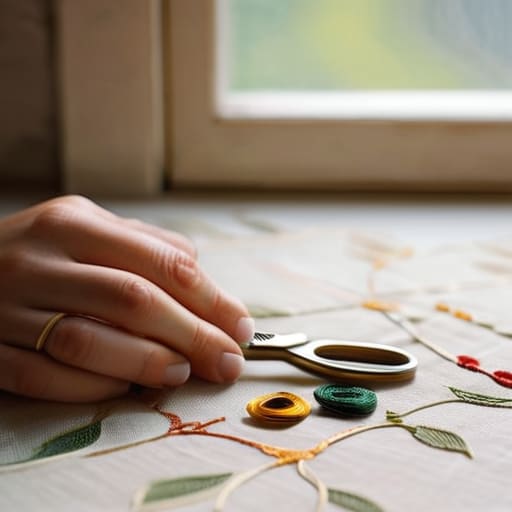
There’s a specific kind of magic that happens when your hands are busy. I remember one particularly frantic Tuesday back when I was consulting for a high-pressure tech firm; my mind was spinning with spreadsheets and deadlines. I finally sat down with a piece of embroidery, and as the needle pulled the thread through the fabric, something shifted. I wasn’t just making a pattern; I was experiencing mindfulness through creativity. It’s that rare moment where the internal chatter finally hits the mute button because your brain is too occupied with the rhythm of the work.
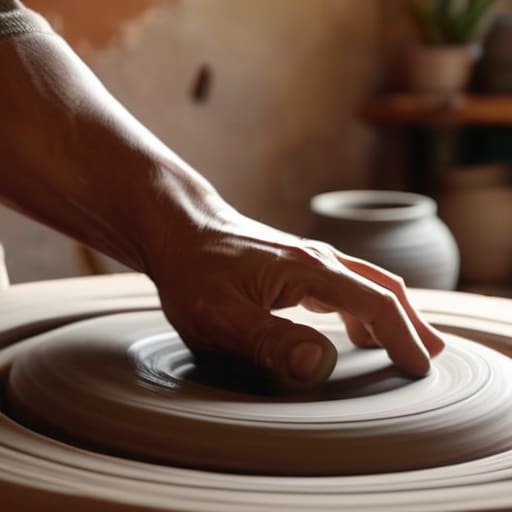
This isn’t just “feeling good”—there is actual science behind why we feel so centered when we create. When we engage in a hobby that requires focus, we tap into a sense of sensory engagement in hobbies that grounds us in the present moment. Whether it’s the texture of clay or the scent of fresh watercolor paper, that tactile stimulation and anxiety reduction works by pulling our nervous system out of “fight or flight” and into a state of calm. It’s like giving your brain a much-needed permission slip to just be.
Tactile Stimulation and Anxiety Grounding Your Soul
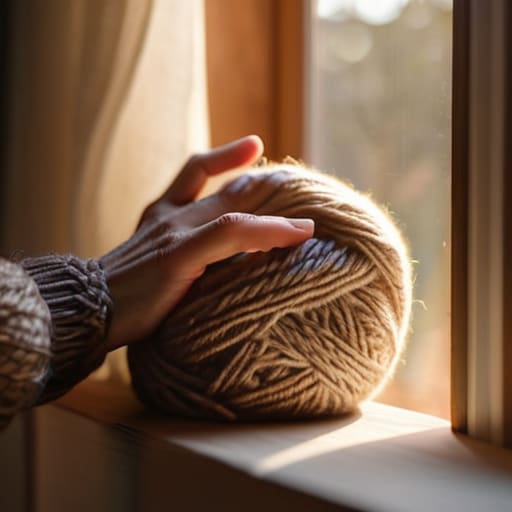
There’s something almost magical about the way our hands can quiet a racing mind. I remember one particularly frantic Tuesday back when I was consulting for a high-pressure tech firm; my thoughts were spinning so fast I felt physically untethered. I ended up sitting on my floor, just focusing on the rhythmic, repetitive motion of knitting. It wasn’t about the sweater; it was about the sensation of the yarn sliding through my fingers. This is the essence of tactile stimulation and anxiety relief. When we engage our sense of touch, we pull our awareness out of the “what-ifs” of the future and anchor it firmly back into the here and now.
By leaning into this sensory engagement in hobbies, we provide our nervous system with a much-needed signal of safety. Whether it’s the gritty texture of clay, the smooth glide of a paintbrush, or the tension of a crochet hook, these physical sensations act as a grounding wire for our emotions. This process often triggers a subtle, steady dopamine release in crafting, rewarding our brain for focusing on a singular, tangible task. It’s not just a distraction; it’s a way to reclaim your center through the simple, beautiful act of doing.
Little Rituals for a Calmer Mind: My Top 5 Ways to Craft with Intention
- Embrace the “Flow State” without the pressure. Don’t aim for a masterpiece; instead, aim for that magical moment where time seems to slip away and your only focus is the rhythm of your hands.
- Curate a sensory sanctuary. I always tell my clients that the environment matters as much as the activity, so light a lavender candle or put on some lo-fi beats to signal to your nervous system that it’s time to decompress.
- Set your tools aside from the digital world. Make a rule for yourself that your crafting space is a “phone-free zone” to prevent that constant dopamine loop of notifications from breaking your peace.
- Focus on the process, not the product. We often get caught in a “productivity trap” even in our hobbies, but true stress relief comes from enjoying the feel of the yarn or the scent of the clay, rather than obsessing over the final result.
- Use “micro-crafting” for quick resets. You don’t need a three-hour window to reap the benefits; even ten minutes of sketching or simple embroidery can act as a powerful emotional circuit breaker during a hectic workday.
Finding Your Rhythm: Small Ways to Bring Crafting Into Your Daily Flow
Don’t aim for perfection; instead, view your creative projects as a “permission slip” to be imperfect, allowing the process of making to be more important than the final product.
Use your crafting time as a digital detox ritual, setting aside even just twenty minutes to put down the phone and reconnect with the physical sensations of your materials.
Listen to your body’s cues while you work; if a particular project feels like a chore, pivot to something more intuitive to ensure your creative time remains a source of replenishment rather than another item on your to-do list.
The Rhythm of the Hands
“There is a profound, almost meditative magic that happens when our hands take over the heavy lifting of our thoughts; in the simple rhythm of a stitch or the steady glide of a brush, we finally give our minds permission to stop racing and simply exist.”
Sophia Reynolds
Finding Your Rhythm in the Making
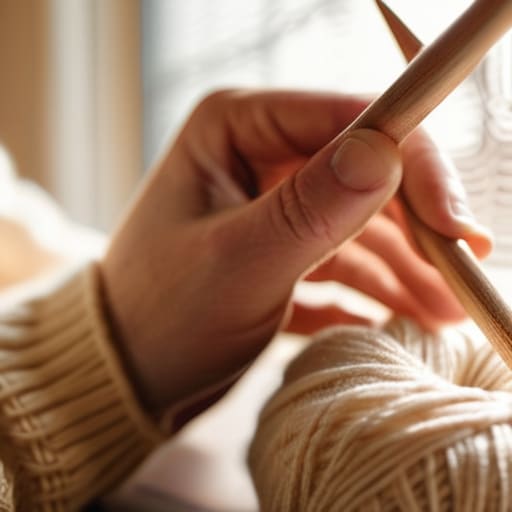
As we’ve explored, crafting isn’t just about the beautiful end product sitting on your shelf; it’s about the profound physiological and psychological shift that happens while you’re in the thick of it. By engaging our senses and leaning into that rhythmic, tactile movement, we aren’t just making something new—we are actively rewiring our response to stress. Whether it’s the repetitive motion of knitting needles or the focused precision of watercolor painting, these activities allow us to step out of the frantic “fight or flight” mode and back into a state of mindful presence. It’s a way to ground ourselves when the world feels like it’s spinning a little too fast.
So, my invitation to you today is simple: don’t worry about being “good” at something. Perfectionism is often just the enemy of peace. Instead, I want you to find a medium that makes you feel curious, something that invites you to just be. Whether you have five minutes or five hours, allow yourself the grace to create without judgment. Remember, in the middle of our busy, demanding lives, carving out this small space for creativity is a profound act of self-care. You aren’t just making art; you are reclaiming your calm, one stitch or brushstroke at a time.
Frequently Asked Questions
I love the idea of using creativity to unwind, but what if I’m not "artistic" or feel like I’m bad at making things?
Oh, I hear you, and I want to give you a huge virtual hug right now. I used to feel the exact same way—I’d stare at a blank canvas and just freeze. But here’s the secret: we aren’t making art for a gallery; we’re making it for our nervous systems. Forget “good” or “bad.” If the rhythm of the knitting needles or the feel of the clay calms your heart, you’ve already succeeded. Focus on the process, not the product.
Is there a specific type of crafting that works better for intense anxiety versus just general daily stress?
That’s such a perceptive question. When I was navigating the high-pressure corporate world, I noticed a huge difference between “unwinding” and “grounding.” For general daily stress, something rhythmic like knitting or crochet is magic—it’s like a moving meditation. But when intense anxiety hits and your mind is racing, I recommend “high-sensory” crafts. Think pottery or working with heavy clay. The intense tactile feedback forces your brain to exit the spiral and return to your body.
How much time do I actually need to spend on a project to feel those real psychological benefits?
I get this question all the time, and I want to ease your mind: you don’t need a marathon session to see results. Honestly, even just fifteen minutes of focused “flow” can lower your cortisol levels. Think of it like a micro-meditation. Whether you’re knitting a single row or sketching a quick doodle, the magic happens the moment you transition from “doing” to “being.” It’s about the quality of your presence, not the clock.