I remember sitting on my floor in my first tiny apartment in San Francisco, surrounded by half-unpacked boxes and a crushing sense of burnout from my corporate job. I felt like everything in my life was mass-produced, disposable, and completely devoid of soul. I desperately wanted to create a space that felt intentional, so I decided to learn how to make a tablecloth from scratch, thinking it would be this grand, complex undertaking. In reality, I realized that the secret to a beautiful home isn’t about perfection or expensive machinery; it’s about the simple, meditative rhythm of creating something with your own two hands.
In this guide, I’m stripping away the intimidation factor to show you exactly how to make a tablecloth that feels like a warm hug for your dining room. We aren’t going to get bogged down in overly complicated sewing jargon or expensive equipment you’ll never use again. Instead, I’ll walk you through a practical, step-by-step process—from choosing a fabric that actually breathes to mastering those final, clean edges. My goal is to help you turn a simple DIY project into a mindful ritual that brings a sense of calm and connection to your next meal.
Table of Contents
- Step-by-Step Instructions
- Finding Harmony Through Intentional Fabric Selection for Tablecloths
- Mastering Dimensions and the Art of Sewing Rectangular vs Round Tablecloths
- Small Rituals for a Flawless Finish: My Top 5 Sewing Secrets
- Bringing Intentionality to Your Table: My Final Thoughts
- The Soul Behind the Stitch
- More Than Just Fabric and Thread
- Frequently Asked Questions
Guide Overview
Tools & Supplies
- Fabric scissors for cutting material
- Sewing machine for stitching edges
- Measuring tape for dimensions
- Pins to hold fabric in place
- Fabric (3-5 yards depending on table size)
- Thread (1 spool matching fabric color)
Step-by-Step Instructions
- 1. First things first, we need to gather our materials, but I want you to approach this like a mindful ritual rather than a chore. You’ll need your chosen fabric—I personally love a heavy linen for that grounding, organic feel—a pair of sharp fabric shears, measuring tape, pins, and a sewing machine (though hand-stitching works beautifully if you’re looking to practice some patience). Before you even touch the fabric, take a deep breath and visualize the table where this piece will live.
- 2. Now, let’s get into the measurements, which is where the intentionality really begins. Measure the length and width of your table, then decide how much “drop” you want; a standard drop is about 8 to 12 inches, but if you want a more dramatic, elegant look, you can go even longer. Once you have your numbers, add an extra 2 inches to both the length and width to account for the hem—this ensures you aren’t rushing or feeling frustrated when you reach the final stretch.
- 3. Once you’ve mapped out your dimensions, it’s time to lay your fabric flat on a clean surface and cut. I find that working on a large, clear floor space helps me feel less cluttered, and that mental clarity translates directly into the precision of your cuts. Use your fabric shears to follow your measurements carefully, making sure to keep the fabric taut so you don’t end up with an uneven shape that might cause stress during the sewing process.
- 4. With your fabric cut, we’re going to prepare the edges by folding them over. Start by folding the edge in by about half an inch and pressing it flat with an iron; this little step of ironing the seams is a total game-changer for a professional finish. Do this all the way around the perimeter, pinning the folds in place as you go to keep everything steady and calm.
- 5. Now, we move to the actual sewing, which I like to think of as a form of moving meditation. Set your sewing machine to a straight stitch and slowly guide the fabric through, following your pinned lines. Don’t feel the need to rush through it; instead, focus on the rhythmic sound of the machine and the way the needle moves, allowing yourself to be fully present in this act of creation.
- 6. After you’ve completed the perimeter, it’s time for a final trim and a second fold to create a clean, double-hemmed edge. This hides the raw edges of the fabric and gives your tablecloth a lovely, substantial weight. Pin it one last time, and sew along that final line, making sure to backstitch at the beginning and end to secure your hard work so it stays beautiful through many shared meals to come.
- 7. Finally, give your masterpiece a good steam with the iron to smooth out any lingering wrinkles. As you lay it over your table for the first time, take a moment to appreciate what you’ve built with your own hands. It’s more than just a piece of fabric; it’s a vessel for connection that you’ve prepared with intention and care.
Finding Harmony Through Intentional Fabric Selection for Tablecloths
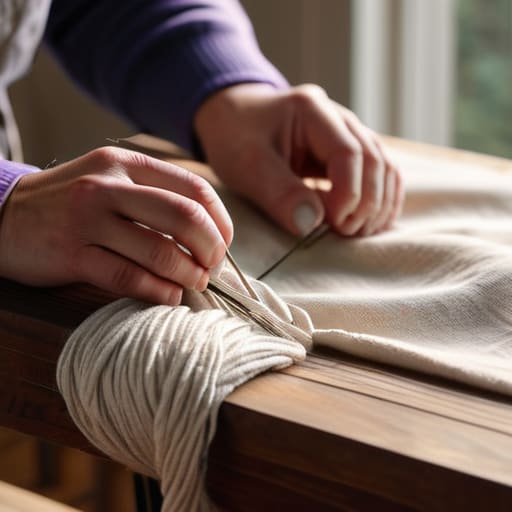
When I was working as a wellness consultant in the corporate world, I noticed how much our physical environment dictated our internal state. The same goes for your dining space. Choosing the right material isn’t just a practical step; it’s an act of setting an intention for your meals. If you’re looking for something that invites a sense of groundedness, I always recommend linen. It has this beautiful, organic texture that feels incredibly tactile and calming. Just a little tip from my sewing days: when you’re working with these natural fibers, pay close attention to your sewing machine settings for linen to ensure your stitches remain smooth and effortless.
Beyond the texture, think about the energy the color and weight bring to your home. A heavy, dark cotton might feel cozy and protective for a winter dinner, while a light, airy voile can make a summer brunch feel like a breath of fresh air. As you’re calculating tablecloth dimensions, don’t forget to consider how the “drape” of the fabric will fall. A fabric that flows gracefully around the edges of your table creates a visual rhythm that encourages guests to linger, breathe, and truly connect.
Mastering Dimensions and the Art of Sewing Rectangular vs Round Tablecloths
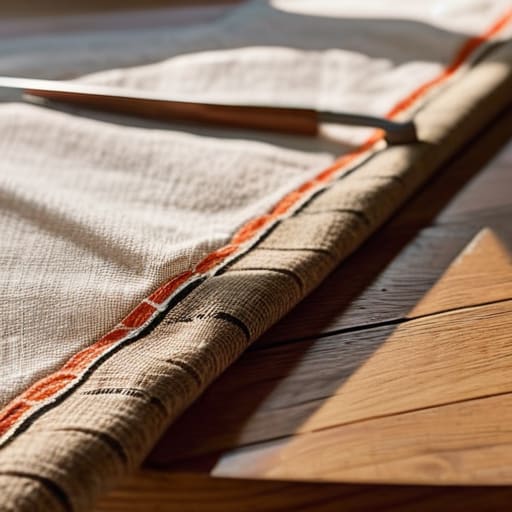
When it comes to the actual geometry of your project, I always tell my clients that precision is a form of self-care; it saves you so much frustration later! The most daunting part is often calculating tablecloth dimensions to ensure that perfect “drop” that grazes the chair or hangs elegantly to the floor. For a rectangular table, you’re working with straight lines and predictable corners, which is a wonderful way to build confidence if you’re just starting out. However, if you’re feeling a bit more adventurous, tackling a circular piece can be incredibly meditative, even if it requires a bit more focus during the cutting phase.
The real magic happens when we look at sewing rectangular vs round tablecloths, as the construction techniques differ quite a bit. With a rectangular cloth, I highly recommend mastering the double fold hem technique to create a clean, professional edge that won’t fray during those lively dinner parties. For round versions, you’ll want to be extra mindful of how the fabric drapes around the curves to avoid any awkward bunching. Taking that extra moment to visualize the final silhouette now will make the actual sewing feel like a flow state rather than a chore.
Small Rituals for a Flawless Finish: My Top 5 Sewing Secrets
- Don’t rush the pressing; I’ve learned the hard way that a crisp, professional look starts long before the needle touches the fabric, so take a moment to iron your seams flat as you go to truly honor the craft.
- Embrace the “measure twice, cut once” mantra as a form of mindfulness—slowing down during this critical stage prevents the frustration of wasted fabric and keeps your creative energy flowing smoothly.
- Choose a high-quality thread that complements your fabric’s weight, because just like in our daily lives, having the right support system makes all the difference in how well we hold together under pressure.
- Use plenty of pattern weights or even some heavy smooth stones from your garden to keep your fabric from shifting, allowing you to focus entirely on the rhythmic, meditative motion of your cutting.
- Always leave yourself a little extra “breathing room” in your hem allowance; a slightly deeper hem provides a beautiful, weighted drape that helps the cloth settle gracefully onto your table.
Bringing Intentionality to Your Table: My Final Thoughts
Remember that choosing your fabric is about more than just aesthetics; it’s about setting the emotional tone for the moments and connections that will unfold around your table.
Don’t let the fear of a complex pattern stop you; whether you’re tackling a classic rectangle or a soft round shape, the act of creating something with your own hands is where the true mindfulness happens.
Approach this project as a way to slow down and practice patience, treating each stitch not just as a task to complete, but as a small, meditative step toward building a more beautiful, intentional home.
The Soul Behind the Stitch
“Making a tablecloth isn’t just about covering a piece of furniture; it’s about creating a soft, intentional stage for the moments that matter most—the long dinners, the shared laughter, and the quiet pauses that nourish our souls.”
Sophia Reynolds
More Than Just Fabric and Thread
As we bring this project to a close, I hope you feel a sense of pride in what you’ve accomplished. We’ve journeyed through the technicalities of measuring your surfaces, the nuances of choosing fabrics that resonate with your home’s energy, and the meditative rhythm of the sewing process itself. Whether you opted for a classic rectangular drape or a soft, flowing round design, remember that the precision of your stitches is simply the framework. The true magic lies in how you’ve combined intentionality with craftsmanship to create something that didn’t exist before. By mastering these steps, you haven’t just made a household item; you’ve practiced the art of creating something from nothing, one careful seam at a time.
Beyond the finished product sitting on your dining table, I want you to hold onto the feeling of the process. In our hyper-connected, “always-on” culture, taking the time to sit with a needle and thread is a radical act of self-care. When you finally lay that tablecloth down for your next dinner party or a quiet morning coffee, let it serve as a beautiful reminder to slow down and savor the moment. You are building a life filled with meaning, one handmade detail at a time. So, take a deep breath, enjoy your beautiful creation, and remember that living well is a practice, not a destination.
Frequently Asked Questions
How do I figure out exactly how much fabric to buy so the drape looks elegant rather than overwhelming?
This is such a common worry! I used to struggle with this too—either my linens looked skimpy or they felt like they were swallowing the whole room. For that effortless, elegant drape, aim for a “drop” of about 8 to 12 inches from the tabletop. It’s that sweet spot where the fabric feels intentional and graceful. Think of it like choosing the right outfit; you want it to flow with you, not overwhelm you.
Are there specific types of fabric that are easier to work with if I'm a complete beginner at sewing?
Oh, I completely hear you! When I first started my sewing journey back in Oregon, I definitely bit off more than I could chew with some slippery silks. For a beginner, I highly recommend starting with 100% cotton or a cotton-linen blend. They have a wonderful “grip” that keeps them from sliding around under your needle, making the whole process feel much more grounded and less like a chaotic race against the clock.
How can I properly hem the edges to ensure a professional finish that won't fray after a few washes?
There’s something so grounding about the final stitch, isn’t there? To get that polished, boutique look, I always recommend a double-fold hem. First, fold your fabric edge over by a quarter inch and press it with an iron—ironing is truly your best friend here! Then, fold it again to hide that raw edge completely. This creates a sturdy, clean finish that stands up to many washes without any frustrating fraying.