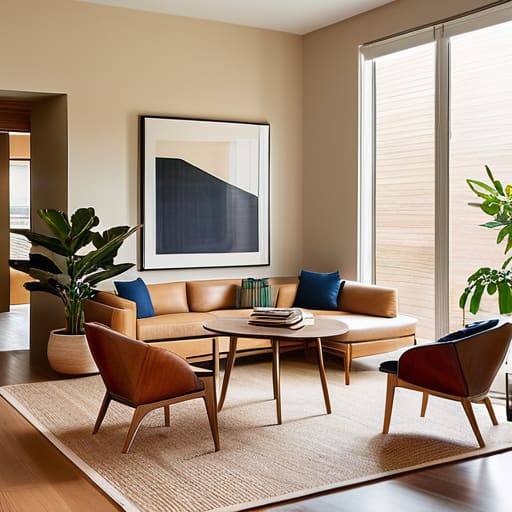
I still remember sitting on my floor in my first tiny apartment in California, surrounded by a sea of mismatched furniture and the overwhelming feeling that my living space was just one giant, chaotic blur. I was trying to work on a client presentation while my neighbor’s TV blared through the wall, and my dining table was serving as both a desk and a dinner plate. It felt like my environment was constantly draining my mental energy because I hadn’t mastered how to zone an open plan room. I realized then that without physical boundaries, our minds struggle to find the transition between “hustle mode” and “healing mode.”
I’m not here to sell you on expensive architectural renovations or those overly complicated, minimalist design trends that look pretty on Pinterest but feel cold in real life. Instead, I want to share the practical, soul-nourishing ways you can use what you already own to create intention. We are going to dive into how you can use light, texture, and strategic placement to carve out sacred corners for both deep focus and much-needed rest. My goal is to help you transform that overwhelming expanse into a series of purposeful sanctuaries that actually support the life you want to lead.
Table of Contents
Creating Distinct Living Areas for Deep Focus
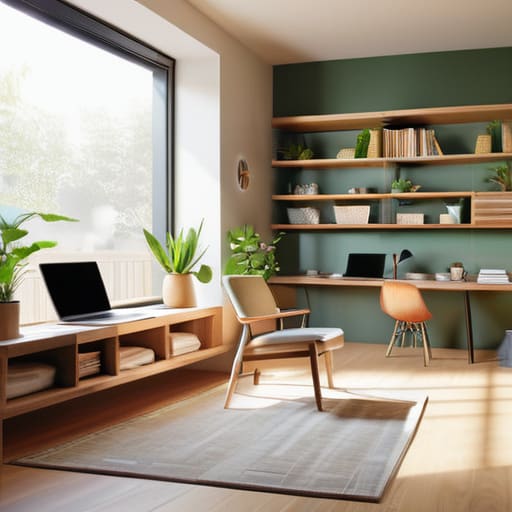
I remember my first apartment in San Francisco—a tiny studio where my desk sat three feet from my bed. Every time I looked at my pillow while trying to tackle a spreadsheet, my brain would immediately drift into “sleep mode.” It was a recipe for burnout. When you’re working within an open concept floor plan, the lack of physical walls can trick your mind into a state of constant distraction. To combat this, I’ve found that defining functional zones is less about architecture and more about psychological boundaries. You need to signal to your brain that “this is the place where we create,” not where we lounge.
One of my favorite visual separation techniques involves using something as simple as a large, textured area rug or a low-profile bookshelf to anchor your workspace. By physically grounding the area, you’re practicing a form of spatial organization in large rooms that helps quiet the mental noise. Even something as subtle as using lighting for room division—like a dedicated task lamp that stays on only during work hours—can act as a powerful cue to enter a state of flow.
Mastering Spatial Organization in Large Rooms
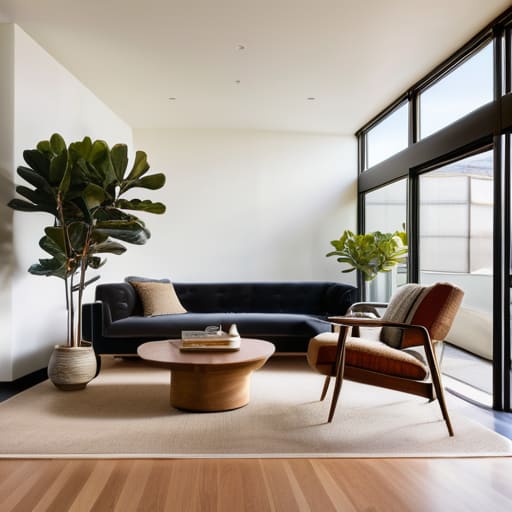
When we talk about spatial organization in large rooms, it’s easy to get overwhelmed by the sheer scale of the empty space. I remember when I first moved into my apartment in San Francisco; the living area was so vast that I felt like I was constantly shouting just to be heard by my own thoughts. I realized then that without structure, a large room doesn’t feel “grand”—it just feels unanchored. To fix this, we have to stop thinking about furniture as mere objects and start seeing them as the invisible walls of our sanctuary.
One of my favorite ways to achieve this is through clever visual separation techniques that don’t involve building actual walls. Instead of heavy partitions, try using the back of a sofa or a low-profile bookshelf to gently guide the eye from one area to the next. It’s about defining functional zones in a way that feels fluid rather than forced. By layering textures—like a plush rug under the dining set versus a sleek hardwood path to the entryway—you create psychological boundaries that tell your brain exactly where it’s time to be social and where it’s time to simply be.
The Soul of the Space: 5 Intentional Ways to Define Your Zones
- Use Rugs as Anchors: Think of a beautiful, textured rug not just as decor, but as a psychological boundary. When your feet hit a specific rug, your brain receives a subtle cue that you’ve transitioned from “work mode” into “relaxation mode,” helping you mentally switch gears without even trying.
- Harness the Power of Lighting: One of my favorite little secrets is using light to create “mood islands.” Instead of relying on harsh overhead lights that flatten everything, use a soft floor lamp for your reading nook and a bright, focused task lamp for your desk. It’s like drawing invisible lines in the air with light.
- The Art of the Low-Profile Divider: You don’t need to build walls to create privacy. A low bookshelf or a slender console table can act as a gentle “breath” between your dining area and your lounge, providing a sense of separation while keeping the energy of the room flowing freely.
- Incorporate Living Boundaries: There is something so deeply grounding about bringing nature indoors. Using a collection of lush, leafy plants can act as a soft, organic screen between zones. It’s a beautiful way to create a sense of enclosure that feels restorative rather than restrictive.
- Sensory Cues for Mental Transitions: To truly master zoning, engage more than just your eyes. Use different scents—perhaps a calming lavender diffuser near your sleep zone and a bright citrus scent near your workspace. It’s a small, mindful way to tell your nervous system exactly where it needs to be.
Finding Your Flow: Small Shifts for Big Harmony
Remember that zoning isn’t just about where your sofa sits; it’s about creating psychological boundaries that tell your brain when it’s time to grind and when it’s time to exhale.
Don’t be afraid to use sensory cues—like a soft rug for your reading nook or a specific scent for your workspace—to anchor your different “zones” in your subconscious.
Perfection is the enemy of peace; start with one intentional corner rather than trying to overhaul your entire layout at once, and let your space evolve as your lifestyle does.
The Soul of Your Space
“Zoning an open plan room isn’t just about where you place your sofa or your desk; it’s about honoring your mental energy by creating intentional boundaries that allow you to transition seamlessly from the hustle of productivity to the stillness of rest.”
Sophia Reynolds
Finding Your Flow in the Open
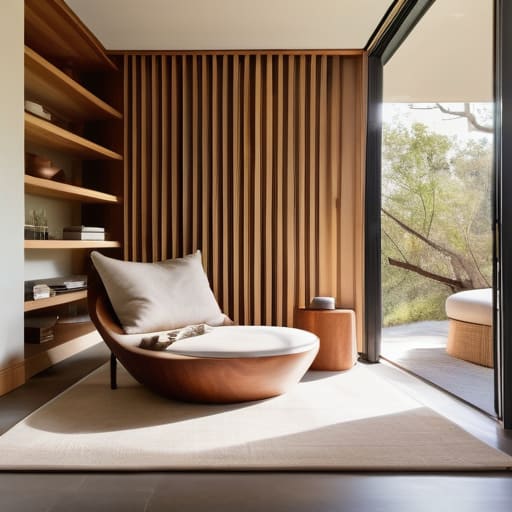
As we wrap up this journey of transforming your living space, remember that zoning is about much more than just where you place a rug or a bookshelf. We’ve explored how intentional boundaries can foster deep focus, how spatial organization keeps the chaos at bay, and how creating distinct areas allows your home to breathe alongside you. By implementing these strategies, you aren’t just decorating; you are actively curating an environment that supports your mental clarity and physical ease. Whether it’s a cozy nook for morning meditation or a structured corner for your professional life, each zone serves as a vital tool in your holistic wellness toolkit.
At the end of the day, your home should be a sanctuary that reflects the person you are becoming, not just a place where you store your belongings. I remember when I first transitioned from a cluttered corporate apartment to a more intentional space; it felt like I could finally hear my own thoughts again. I want you to approach your layout with that same sense of gentle intention. Don’t feel pressured to get it perfect right away—just start by creating one small, sacred corner for yourself. When you design your space with purpose, you aren’t just arranging a room; you are designing a life that feels as good on the inside as it looks on the outside.
Frequently Asked Questions
I have a tiny open-concept apartment; how can I create these zones without making the space feel even smaller or more cluttered?
I hear you—living in a tiny space can feel like you’re constantly bumping into your own “office” while trying to relax. When square footage is tight, think vertically and visually rather than physical. Instead of heavy dividers, use area rugs to “anchor” different moods, or even a slender open bookshelf to create a boundary that breathes. It’s about using light and texture to signal a change in purpose without closing off the room’s energy.
Are there specific lighting or color palettes I can use to psychologically separate my workspace from my relaxation area?
Oh, I love this question! We often forget that our eyes are the fastest way to signal to our nervous system that it’s time to shift gears. For your workspace, I’m a huge advocate for “cool” tones—think soft blues or crisp whites—and bright, focused task lighting to keep that mental clarity high. When you transition to relaxation, swap those out for warm, amber hues and earthy tones like sage or terracotta to naturally invite a sense of calm.
How do I use furniture or rugs to define a space without accidentally blocking the natural flow of movement through the room?
Think of your furniture and rugs as gentle guides rather than roadblocks. To keep that energy flowing, I love using “visual anchors”—like a large, textured rug—to ground a seating area without needing walls. When placing furniture, leave “breathing room” around pieces; you want clear, intuitive pathways that feel like a natural stroll, not a hurdle course. It’s all about creating intention while letting the room’s natural rhythm breathe.