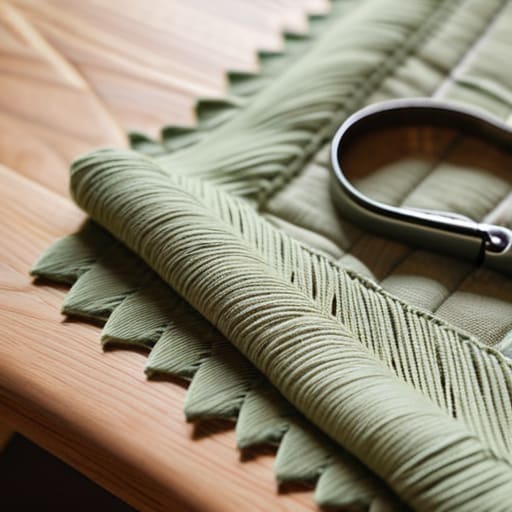
I remember sitting on my floor in a tiny, sun-drenched apartment in California, surrounded by a chaotic sea of mismatched fabric scraps and feeling completely overwhelmed. I had this vision of a beautiful, heirloom-quality blanket, but every tutorial I found made it seem like a high-stakes mathematical equation that required a PhD in geometry to solve. The truth is, most people think you need perfection to start, but I’ve learned that learning how to make a quilt is actually much more about finding your flow than hitting a perfect seam allowance on the first try. It’s not about the precision of the machine; it’s about the intention you bring to the fabric.
In this guide, I’m stripping away the intimidation and the complicated jargon to give you a realistic, soulful roadmap. We aren’t just going to talk about cutting patterns; we are going to explore how to approach this craft as a form of moving meditation. I’ll walk you through the essential tools, the most efficient ways to prep your workspace, and the simple assembly steps that will get you to that first cozy layer without the burnout. Let’s turn that pile of fabric into something that truly nourishes your soul.
Table of Contents
- Step-by-Step Instructions
- Curating Your Vision Choosing Fabric for Patchwork and Joy
- The Essential Quilting Tools List for a Mindful Studio
- The Soul of the Stitch: 5 Mindful Tips for Your Quilting Journey
- Embracing the Rhythm of the Stitch
- The Rhythm of the Stitch
- The Final Stitch: Carrying the Calm Forward
- Frequently Asked Questions
Guide Overview
Tools & Supplies
- Sewing machine for joining fabric pieces
- Rotary cutter for precise straight edges
- Cutting mat to protect surfaces while cutting
- Quilting ruler for accurate measurements
- Cotton fabric (various colors and patterns)
- Quilt batting (one layer for the middle)
- Backing fabric (one large piece)
- Thread (all-purpose polyester or cotton)
Step-by-Step Instructions
- 1. Before you even touch a needle, I want you to curate your palette. Think of your fabric selection as an extension of your emotional landscape; choose colors and patterns that resonate with the feeling you want to evoke in your space. Whether it’s calming pastels to lower your cortisol or vibrant geometrics to spark joy, let your intuition guide your hands as you gather your cottons, flannels, or silks.
- 2. Once you have your fabrics, it’s time for the meditative ritual of cutting. Lay your materials out on a large, flat surface and use a rotary cutter and a self-healing mat to ensure your shapes are precise. I always find that this stage is perfect for practicing deep, rhythmic breathing—focusing on the steady, smooth movement of the blade can be incredibly grounding when your mind is racing.
- 3. Now, we move into the assembly phase, which I like to call the dance of the seams. Start by pinning your individual pieces together, following a pattern or simply letting your creativity take the lead. As you sew your straight lines, try to stay present in the moment; instead of rushing to finish, focus on the tactile sensation of the fabric moving through the machine and the steady hum of the motor.
- 4. After your top layers are joined, you’ll need to create the “sandwich” that gives a quilt its soul. This involves layering your finished quilt top, a soft batting middle, and a sturdy backing fabric. I highly recommend using large safety pins to secure these layers together—it’s a small step, but it prevents the fabric from shifting and helps you maintain your flow without the frustration of bunching.
- 5. The next step is quilting, which is where the magic truly happens. This is the process of sewing through all three layers to bind them into one cohesive unit. Don’t feel pressured to create complex, professional designs right away; even simple, straight-line quilting can add a beautiful texture that makes the piece feel intentional and handmade.
- 6. Finally, we reach the binding, which is the “hug” that holds your entire creation together. This involves sewing long strips of fabric around the raw edges of your quilt sandwich to create a clean, finished border. It can be a bit tedious, but I view it as a final act of mindfulness—a way to wrap up your energy and seal the intention you’ve poured into the project.
Curating Your Vision Choosing Fabric for Patchwork and Joy
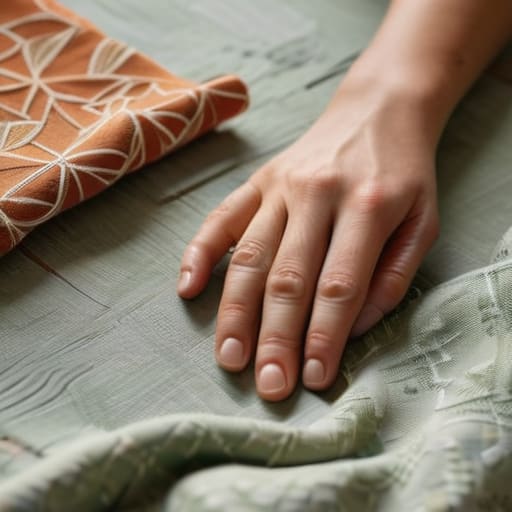
When I first started my own creative journey, I used to get so overwhelmed by the sheer volume of patterns in the craft store. I’d stand there, paralyzed by choice, trying to pick the “perfect” combination. But here is the secret I learned through a lot of trial and error: your fabric choice should be an extension of your current emotional state. When you are choosing fabric for patchwork, don’t just look at the color wheel; look for textures and prints that make you feel grounded. Are you drawn to the calming sage of a botanical print, or the energetic pop of a geometric sunburst? Let your intuition lead the way.
I always tell my clients that a quilt is more than just a functional item; it’s a tactile map of a moment in time. As you sift through bolts of cotton, try to think about the sensory experience you want to create. If you’re feeling a bit scattered, perhaps choosing soft, tonal blues will help you find that center. This isn’t just about aesthetics; it’s about intentionality. By selecting pieces that truly resonate with your soul, you turn the act of sewing into a moving meditation.
The Essential Quilting Tools List for a Mindful Studio
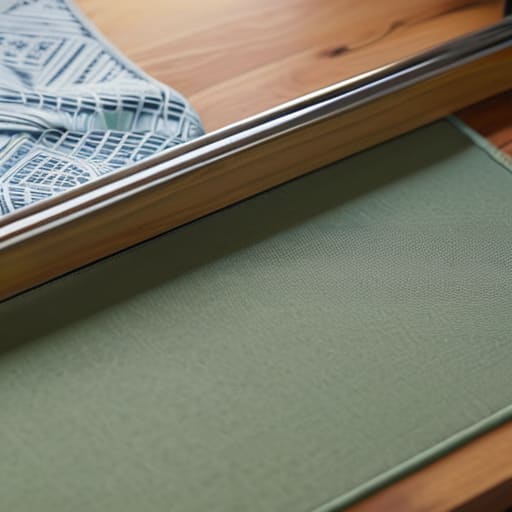
When I first started my journey into textile art, I used to think that having the most expensive gadgets would magically make me a better maker. I quickly learned that true creativity flourishes not through complexity, but through having the right companions by your side. Creating an essential quilting tools list isn’t just about checking boxes; it’s about curating a space that feels intentional. You’ll need a sharp rotary cutter, a high-quality self-healing mat, and a reliable ruler to ensure your precision stays consistent. Think of these not as mere objects, but as extensions of your own hands, helping you translate your inner vision onto the fabric.
As you settle into your rhythm, don’t overlook the small things that keep your flow uninterrupted. I always suggest keeping a dedicated set of fine pins and a comfortable, ergonomic cushion for your chair nearby. When you finally sit down at your machine, take a moment to familiarize yourself with your quilting machine settings for beginners before you start your first seam. Adjusting your tension and stitch length with mindful intention prevents the frustration of thread bunching, allowing you to stay present in the process rather than fighting with your equipment.
The Soul of the Stitch: 5 Mindful Tips for Your Quilting Journey
- Honor the “Ugly Phase.” There will inevitably be a moment halfway through where the colors look chaotic and you feel like you’ve made a mistake. I call this the ‘creative threshold.’ Instead of rushing to fix it, step back, make a cup of herbal tea, and trust that the pattern is simply finding its way.
- Practice rhythmic breathing with your machine. It sounds a little silly, but I’ve found that syncing my breath to the steady hum of the sewing machine turns a repetitive task into a moving meditation. It keeps your tension even and your heart rate calm.
- Don’t fear the imperfection. In my corporate days, I was obsessed with flawless execution, but in quilting, I’ve learned that a slightly wonky seam tells a story of a human hand at work. Those tiny “mistakes” are actually the fingerprints of your soul on the fabric.
- Curate your sensory environment. Quilting is a tactile experience, so don’t just focus on the sight. Play some soft, ambient lo-fi beats or even just enjoy the silence. If your environment feels rushed, your stitches will feel rushed too.
- Set boundaries with your progress. It’s so easy to fall into the “just one more row” trap, which leads to burnout and physical strain. Listen to your body; if your neck feels tight or your eyes are tired, that is your cue to fold the fabric, step away, and return when you can approach the quilt with fresh, joyful energy.
Embracing the Rhythm of the Stitch
Remember that quilting isn’t just about the finished product; it’s about the meditative process of creating something with your own hands. Let the repetitive motion of sewing become your personal sanctuary for mindfulness.
Don’t let the pursuit of perfection steal your joy. If a seam isn’t perfectly straight or a color choice feels a little off, breathe through it—those tiny “imperfections” are actually the soulful fingerprints of your unique creative journey.
Treat your quilting space as a ritualistic environment. By curating your tools and fabrics with intention, you aren’t just preparing to work; you’re setting the stage for a deep, restorative experience that nourishes both your creativity and your spirit.
The Rhythm of the Stitch
“When we quilt, we aren’t just joining pieces of fabric together; we are practicing the art of presence. Each intentional stitch is a tiny, rhythmic breath that transforms a chaotic pile of scraps into a sanctuary of warmth and intention.”
Sophia Reynolds
The Final Stitch: Carrying the Calm Forward
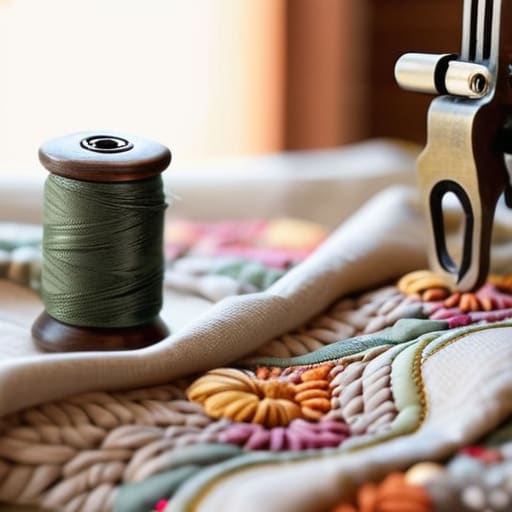
As you prepare to bind those final edges, take a second to look back at everything you’ve built. From that initial spark of inspiration when you were curating your fabric palette to the quiet, rhythmic moments of cutting and sewing with your carefully chosen tools, you have done more than just assemble pieces of cloth. You have practiced the art of intentional creation. By selecting fabrics that resonate with your soul and setting up a studio space that honors your peace, you’ve turned a complex task into a moving meditation. Remember, the beauty of your quilt doesn’t just lie in the straightness of the seams, but in the mindful presence you brought to every single stitch.
I hope this journey has taught you that productivity doesn’t always have to look like a frantic race toward a deadline. Sometimes, the most productive thing we can do is slow down and allow ourselves to get lost in the tactile joy of making something by hand. As you drape this finished piece over your bed or gift it to a loved one, let it serve as a soft reminder that life is woven one moment at a time. May your hands always find purpose in the slow work, and may your heart always find its way back to this sense of deep, quiet fulfillment.
Frequently Asked Questions
I'm feeling a bit overwhelmed by all the fabric choices—how do I know if my patterns will actually work together without it looking messy?
Oh, I hear you! That “analysis paralysis” is so real when you’re staring at a sea of patterns. When I was transitioning out of my corporate role, I realized I often overcomplicated things when I should have been seeking harmony. Try the “Rule of Three”: pick three main colors and let them guide your flow. If you’re unsure, lay your fabrics out on the floor and step back. If it feels chaotic, add a neutral to give your eyes a place to rest.
Is it better to start with a small, simple project to build my confidence, or should I dive straight into something more ambitious?
I’ve seen this tug-of-war so many times in my coaching practice—the desire to leap toward greatness versus the fear of falling short. Honestly? Start small. I remember when I first tried to tackle a complex pattern; the overwhelm nearly crushed my creative spark. By choosing a simple project first, you aren’t just learning stitches; you’re building “success momentum.” Let those small wins nourish your confidence before you tackle the big, beautiful ambitions.
How do I manage the frustration when I make a mistake, like a crooked seam, without losing my sense of peace and wanting to quit?
Oh, I have been there—staring at a crooked seam and feeling that heat rise in my chest. When that happens, please don’t walk away in frustration. Instead, take a deep breath and reframe it: that seam isn’t a failure; it’s just a data point. In psychology, we call this “cognitive reframing.” Treat the mistake as a gentle lesson in patience rather than a flaw in your worth. Grab some tea, step back, and remember: perfection is the enemy of joy.