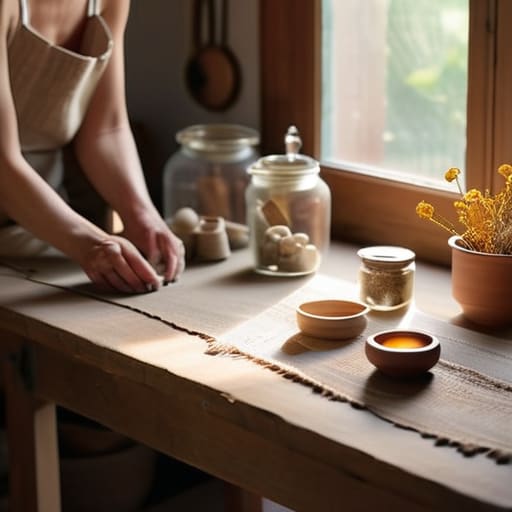
I still remember the scent of sandalwood incense and the frantic, uneven rhythm of my heart during my very first attempt at hosting a creative gathering. I had spent weeks obsessing over the “perfect” aesthetic, convinced that if my table setting wasn’t Pinterest-worthy, I had somehow failed. I thought learning how to run a craft workshop meant mastering the art of flawless logistics and high-end curation. But as I watched a participant accidentally knock over a jar of beads, only to break into genuine, belly-deep laughter with their neighbor, I realized I had been looking at it all wrong. The magic wasn’t in the expensive supplies; it was in the unscripted moments of connection that happen when we finally let go of perfection.
In this guide, I’m stripping away the overwhelming fluff and the “hustle culture” approach to hosting. I want to share the grounded, practical framework I’ve developed to help you navigate the logistics without losing your peace of mind. We’re going to dive into the real mechanics of how to run a craft workshop that feels intentional, sustainable, and—most importantly—deeply nourishing for both you and your guests.
Table of Contents
- Building a Sustainable Craft Workshop Business Model
- Pricing Your Craft Classes With Intention and Grace
- The Soul of the Studio: 5 Ways to Cultivate Connection and Flow
- Finding Your Flow: Bringing the Soul Back to Your Workshop
- The Soul Behind the Skill
- Finding Your Flow in the Making
- Frequently Asked Questions
Building a Sustainable Craft Workshop Business Model

When I first transitioned from the corporate world to wellness coaching, I realized that passion alone doesn’t pay the rent—you need a foundation that breathes. The same applies to your creative endeavors. Developing a solid craft workshop business model isn’t about being a cold mathematician; it’s about finding the sweet spot where your artistic soul meets financial sustainability. I often tell my clients that if you don’t value your time, no one else will. This starts with pricing your craft classes thoughtfully, ensuring you account for not just the materials, but the energy and expertise you’re pouring into every single student.
Beyond the numbers, sustainability is also about the rhythm of your growth. It’s tempting to try and host every type of class at once, but I’ve found that focusing on quality over quantity prevents burnout. Whether you are hosting creative workshops for beginners or advanced masterclasses, aim for a cadence that allows you to recharge. When you build a business that respects your own boundaries, you create a much more inviting, grounded space for your students to explore their own creativity.
Pricing Your Craft Classes With Intention and Grace
When it comes to pricing your craft classes, I want you to shift your mindset from “covering costs” to “valuing your energy.” It’s so easy to fall into the trap of looking at your materials and adding a small markup, but that often overlooks the invisible labor you pour into every session. I remember when I first started consulting for wellness retreats; I realized that if we don’t price for our own sustainability, we eventually burn out. When you are pricing your craft classes, you aren’t just charging for yarn or clay; you are charging for the curated environment, your expertise, and the mental space you provide for your students to create.
I always suggest calculating a “wellness buffer” into your fees. This covers the prep time, the cleanup, and even those little moments of extra guidance you provide while hosting creative workshops for beginners. Instead of feeling guilty about a higher price point, view it as a way to ensure you can show up fully and vibrantly for every person who walks through your door. When you price with intention, you attract participants who truly value the experience, creating a much more harmonious and respectful classroom dynamic.
The Soul of the Studio: 5 Ways to Cultivate Connection and Flow
- Curate the Sensory Experience: Before the first bead is strung or the first stitch is taken, think about the atmosphere. I always tell my clients that the environment dictates the nervous system’s state; soft lighting, a calming playlist, and even a subtle scent like lavender can transition your students from “rushed corporate mode” into a creative flow state.
- Design for “Small Wins”: There is nothing more demotivating than a beginner feeling overwhelmed by a complex project. Structure your workshop so that participants achieve a visible, tangible success within the first twenty minutes. That tiny hit of dopamine is what builds the confidence they need to tackle the more intricate parts of the craft.
- Embrace the “Beautiful Mess”: We often feel this pressure to have everything perfectly curated, but true creativity is a bit chaotic. Set the stage for imperfection by reminding your guests that the goal isn’t a flawless product, but the joy of the process. When you give them permission to fail, you actually unlock their best work.
- Master the Art of Mindful Instruction: It’s easy to get caught up in a technical lecture, but try to weave in moments of presence. Instead of just explaining a technique, ask them to notice the texture of the material or the rhythm of their movements. It turns a simple craft class into a restorative wellness experience.
- Foster Post-Workshop Connection: The magic shouldn’t end when the glue dries. Create a space for them to share their creations and their stories—whether that’s a dedicated group chat or a simple “show and tell” at the end. Building a community around your craft ensures that your workshop isn’t just a one-off event, but a meaningful touchpoint in their lives.
Finding Your Flow: Bringing the Soul Back to Your Workshop
Remember that your workshop is more than just a transaction of skills; it is a sacred space for connection, so prioritize creating an atmosphere where your students feel truly seen and supported.
Protect your own creative energy by setting gentle boundaries around your time and resources, ensuring that your passion for crafting remains a source of joy rather than a driver of burnout.
Approach every session with the intention of presence, allowing room for the unexpected magic that happens when people gather to create, rather than strictly adhering to a rigid, stressful curriculum.
The Soul Behind the Skill
“Running a workshop isn’t just about teaching someone how to hold a needle or a brush; it’s about creating a sanctuary where people feel safe enough to play, to fail, and ultimately, to rediscover their own creative rhythm.”
Sophia Reynolds
Finding Your Flow in the Making
As we wrap up this journey of planning and intention, I hope you feel more equipped to turn your creative passion into a thriving reality. Remember, running a successful workshop isn’t just about the logistics of a sustainable business model or the math behind your pricing; it’s about the delicate balance of structure and soul. By setting clear boundaries and pricing your time with grace, you aren’t just selling a seat at a table—you are providing a curated experience that honors both your craft and your well-being. When you approach your business with this level of mindfulness, you ensure that your passion remains a source of joy rather than a cause for burnout.
At the end of the day, please remember that your workshops are more than just lessons; they are sanctuaries of connection. In our fast-paced, digital-heavy world, people are hungry for the tactile magic of creating something with their own two hands. As you prepare your first session, take a deep breath and trust that your unique voice is exactly what your future students need to hear. Whether it’s a small gathering in your living room or a larger studio event, focus on the human connection that happens when hands are busy and hearts are open. You have something beautiful to share, so go out there and create something wonderful.
Frequently Asked Questions
How do I create a calming, mindful atmosphere in my workshop space so guests feel truly present and creative?
Think of your workshop as a sanctuary, not just a classroom. Before the first guest arrives, I always suggest dimming harsh overhead lights in favor of soft lamps or even a few beeswax candles—it instantly signals to the nervous system that it’s time to settle. Incorporate subtle scents like lavender or sandalwood, and perhaps a low-fi acoustic playlist to anchor the room. When we curate the sensory experience, we give our guests permission to simply be.
What are some gentle ways to handle participants who might feel intimidated or "not creative enough" when they first arrive?
I remember feeling that exact same knot in my stomach during my first yoga class—that “I don’t belong here” feeling. To ease this, start with a “low-stakes” opening activity, like a simple breathing exercise or a tactile sensory warm-up. Remind them that this space isn’t about perfection; it’s about the process. I always tell my clients: we aren’t here to create masterpieces, we’re here to create connection. Let them know it’s okay to just play.
How can I balance the logistics of managing supplies and cleanup without losing that sense of connection and flow with my students?
Think of your logistics not as a distraction, but as the container that holds the magic. I always tell my clients: preparation is a form of mindfulness. If you pre-portion your supplies into beautiful, organized trays before students arrive, you eliminate that frantic “searching” energy. When it’s time to tidy up, turn it into a shared ritual—perhaps a gentle closing meditation or a group “reset” song. By integrating the cleanup into the experience, you preserve the flow instead of breaking it.