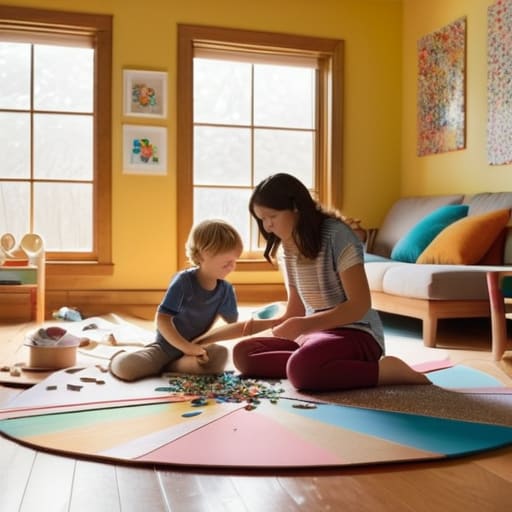
I can still vividly recall the scent of spilled tempera paint and the frantic, stinging sensation of glue seeping into my favorite rug. It was a Tuesday afternoon, and what was supposed to be a “bonding moment” had spiraled into a chaotic battlefield of glitter and tears. I remember looking at the mess and feeling that familiar, tightening knot of anxiety in my chest, wondering why something so simple felt so exhausting. We’ve all been there, staring at a pile of supplies and realizing that we aren’t actually learning how to craft with children without stress—we’re just managing a beautiful disaster.
I’m not here to sell you on expensive, curated craft kits or the myth that you need a Pinterest-perfect playroom to be a “good” creative parent. Instead, I want to share the grounded, evidence-based strategies I’ve gathered from both my psychology background and my own messy living room floor. We are going to focus on intentional connection over perfection, exploring how you can turn these creative sessions into moments of mindfulness rather than sources of burnout. Let’s reclaim the joy in the mess, together.
Table of Contents
Curating Joy Through Age Appropriate Art Supplies
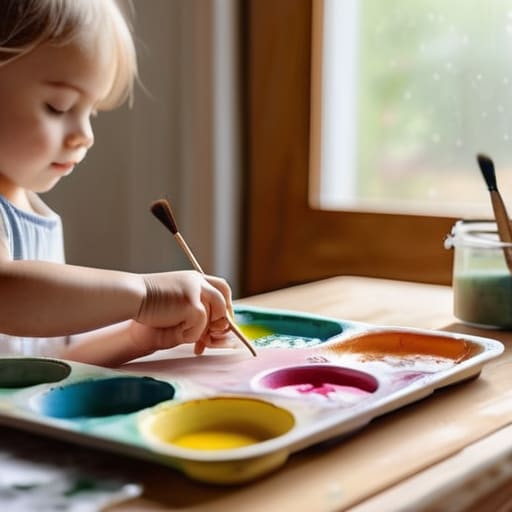
I remember one rainy Tuesday in my old apartment when I tried to introduce watercolor painting to my niece. Within ten minutes, the rug looked like a Jackson Pollock nightmare, and my stress levels were through the roof. Looking back, the issue wasn’t the activity itself, but that I hadn’t prepared the right tools for her developmental stage. To avoid that spiral, I’ve learned that selecting age-appropriate art supplies is actually a form of self-care for the parent. When we match the complexity of the tool to the child’s fine motor skills, we move from frustration to flow.
A little bit of intentionality goes a long way in managing creative chaos. Instead of a massive bin of everything, I love setting up a small, curated tray with just what’s needed for that specific session. For my younger explorers, I lean heavily into low-mess art activities—think chunky beeswax crayons or washable dot markers—which allow them to explore texture without the overwhelming cleanup. By narrowing the scope, we aren’t just limiting the mess; we’re actually helping them focus their attention and find true joy in the process.
Finding Calm With Pre Planned Craft Ideas
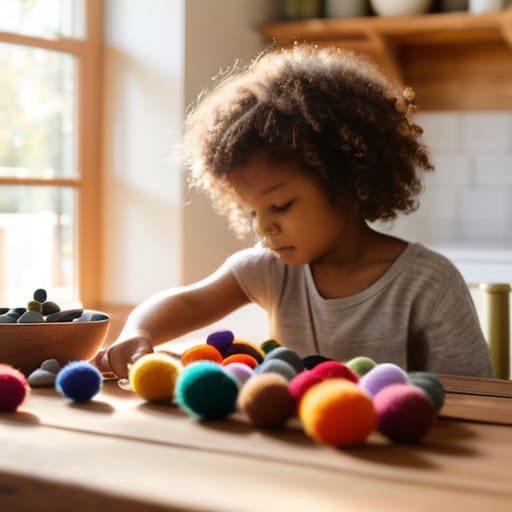
I remember a time, back when I was working those high-pressure corporate roles in San Francisco, that I used to view any “unplanned” activity as a potential threat to my schedule. I carried that same rigid energy into my personal life, thinking that if I didn’t have a strict itinerary for everything, I was losing control. But when it comes to creativity, especially with kids, that rigidity is often where the stress creeps in. The secret to staying grounded is actually having a small repertoire of pre-planned craft ideas tucked away in your mental (or physical!) toolkit. When you aren’t scrambling to figure out what to do next, you avoid that frantic, “what now?” energy that kids can sense from a mile away.
Instead of waiting for a spark of inspiration to strike while the living room is already turning into a disaster zone, try preparing a few low-mess art activities in advance. Think of it like meal prepping for your soul; having a simple watercolor set or some colorful playdough ready to go means you can transition into a creative moment seamlessly. By having a plan, you aren’t just managing the activity—you are managing creative chaos before it even begins, allowing you to actually be present in the magic of the moment.
Embracing the Mess and the Magic: My Top 5 Stress-Free Crafting Secrets
- Let go of the “Pinterest Perfection” trap. I used to spend so much time worrying if the glitter was perfectly distributed, but I’ve learned that the real magic happens in the wobbly lines and the unexpected color combinations. If it’s not perfect, it’s still art—and it’s still a memory.
- Set up a “Yes Zone” with a dedicated workspace. Whether it’s a specific tray or a cheap plastic tablecloth, having a designated area where the mess is allowed to happen takes the anxiety out of the cleanup. When the boundaries are clear, you can both dive in without fear.
- Focus on the process, not the product. In my psychology studies, we talk a lot about “flow state,” and that’s exactly what crafting should be. Instead of asking, “What are you making?” try asking, “How does that blue paint feel on your brush?” It shifts the focus from the end result to the sensory experience.
- Embrace the “Low-Stakes” materials. Sometimes we overcomplicate things with expensive kits, which only adds pressure. I love keeping a basket of “found objects”—cardboard rolls, old buttons, or even smooth stones from a walk. It turns crafting into a playful exploration rather than a structured lesson.
- Use the “Micro-Session” approach. If you’re feeling the tension rising, it’s okay to stop. You don’t have to finish the masterpiece in one sitting. Sometimes, just fifteen minutes of focused, joyful creation is more restorative than an hour of forced, stressful perfectionism.
Embracing the Beauty of the Process
Remember that the goal isn’t a Pinterest-perfect masterpiece; it’s about the shared laughter and the sensory experience of creating something together.
Set yourself up for success by preparing your space and supplies in advance, allowing you to be fully present with your child rather than rushing to fix a mess.
View the inevitable spills and “creative” color choices as opportunities to practice mindfulness and patience, turning a potential stressor into a moment of genuine connection.
Embracing the Beautiful Mess
“When we trade the pressure of a perfect finished product for the simple magic of a shared moment, we transform a potential meltdown into a profound opportunity for connection and presence.”
Sophia Reynolds
Embracing the Beautiful Mess
As we wrap up this journey into mindful creativity, I want you to take a moment to reflect on how much lighter the process can feel when we shift our focus. By curating the right supplies for your child’s developmental stage and walking into your craft sessions with a gentle, pre-planned roadmap, you aren’t just avoiding a meltdown—you are actively cultivating a sanctuary of calm. Remember, the goal isn’t to produce a masterpiece that belongs in a museum; it’s about reducing the friction between your desire to connect and the reality of a busy afternoon. When we prioritize intentional preparation over perfection, we create the mental space necessary to actually enjoy the company of our little ones.
At the end of the day, those tiny, paint-stained hands and the inevitable glitter on the living room rug are more than just a mess to clean up; they are the physical footprints of a childhood being lived fully. I’ve learned through my own journey of finding balance that the most profound moments of connection often happen in the unscripted spaces between the activities. So, the next time a glue stick goes rogue or a coloring page goes outside the lines, take a deep breath and smile. You aren’t just crafting; you are building lasting memories through the simple, sacred act of being present.
Frequently Asked Questions
How do I handle the inevitable cleanup without feeling like the entire afternoon was a waste of energy?
I hear you—that post-craft “glitter hangover” is so real! I used to feel that same exhaustion. My secret? Embrace the “Clean-Up Ritual.” Instead of seeing it as a chore, turn it into a transition period. Set a timer for five minutes of “tidy dance party” with your favorite upbeat song. It shifts the energy from frustration to play, making the cleanup feel like a shared victory rather than a heavy burden.
What should I do when my child gets frustrated because their creation doesn't look the way they imagined it?
Oh, I’ve been there—both as a mom and a coach! When that frustration hits, my first instinct is to step in and “fix” it, but instead, I try to hold space for their feelings. I’ll say, “It’s okay to feel disappointed; it’s tough when things don’t go as planned.” Then, I gently pivot the focus from the finished product to the process itself. Remind them that even in art, there are no mistakes, only unexpected new directions.
Are there ways to incorporate mindfulness or sensory play into crafting to help calm a child who is feeling particularly hyper or anxious?
Oh, I love this question! When things feel a bit too “big” for a child, I find that leaning into sensory play is a total game-changer. Instead of a structured project, try something tactile like squishing homemade playdough or finger painting with cool, silky tempera paint. It grounds them in the present moment. It’s not about the masterpiece; it’s about that soothing, rhythmic sensation that helps their nervous system finally find a little bit of peace.