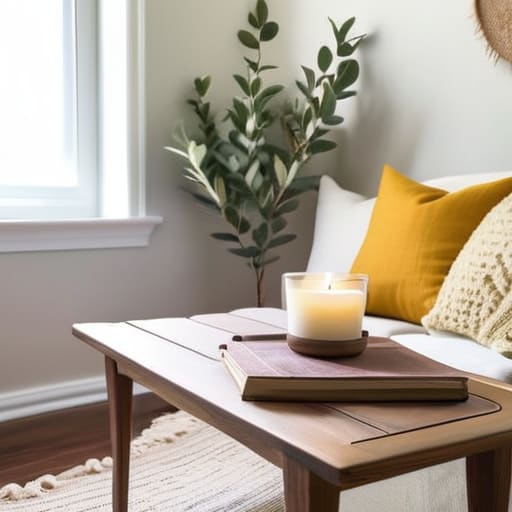
I remember sitting on the floor of my first tiny apartment in San Francisco, surrounded by half-unpacked boxes and feeling this overwhelming sense of stagnation. The walls felt too close, the lighting was harsh, and I felt like I couldn’t truly breathe or find my center in such a cluttered, uninspired space. I desperately wanted to change my environment, but I was staring at a bank account that said “no” to any major renovations. I realized then that the wellness industry often pushes this idea that you need a massive, expensive overhaul to find peace, but that’s a total myth. Learning how to refresh a room cheaply isn’t about buying more “stuff”; it’s about shifting the energy of what you already own.
In this guide, I’m stripping away the polished, unrealistic home decor trends and getting real with you. I want to share the mindful, budget-friendly shifts I’ve used to transform chaotic spaces into true sanctuaries. We’re going to focus on intentionality rather than consumption, using simple, evidence-based tweaks to your environment that won’t break the bank. My promise to you is honest, no-nonsense advice that helps you cultivate a space where you can finally pause, breathe, and thrive.
Table of Contents
- Low Cost Interior Design Tips for a Calmer Space
- Changing Room Layout for a New Look and Feel
- Small Shifts, Big Soul: My Favorite Low-Cost Ways to Rejuvenate Your Space
- Finding Your Flow: Small Shifts for Lasting Harmony
- The Soul of a Space
- Creating Your Personal Sanctuary
- Frequently Asked Questions
Low Cost Interior Design Tips for a Calmer Space
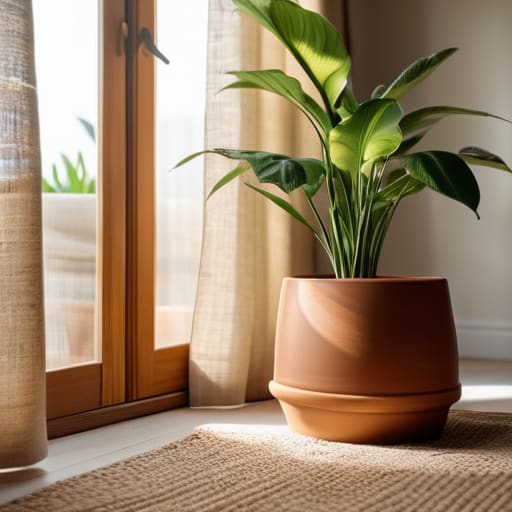
When we talk about creating a sanctuary, we often think we need a massive budget, but I’ve learned through my years of wellness consulting that the most profound shifts often come from the smallest, most intentional changes. One of my favorite low cost interior design tips is to focus on the energy and flow of the room rather than the price tag of the items within it. Sometimes, simply changing the room layout for a new look can break up stagnant energy and make a space feel entirely revitalized. Moving your sofa to face a window instead of a television, for instance, can instantly invite more natural light and a sense of openness into your daily ritual.
If you’re feeling a bit more creative, I highly recommend exploring upcycling old furniture to add a sense of soul to your home. I remember a small wooden side table I found at a thrift store in Oregon; with just a bit of sanding and a coat of sage green paint, it became my favorite spot for my morning meditation. It’s not about perfection; it’s about the mindful connection you build with your surroundings through these small, personal touches.
Changing Room Layout for a New Look and Feel
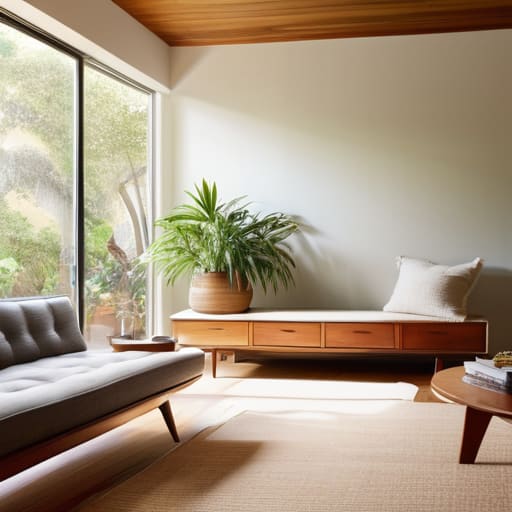
Sometimes, the most profound shift doesn’t come from what you add to a room, but from how you rearrange what’s already there. I remember back in my corporate days, my tiny apartment felt so suffocatingly cramped. I couldn’t focus, and my stress levels were through the roof. One Saturday, instead of ordering more stuff, I simply moved my desk away from the window and repositioned my sofa to face a different direction. It sounds simple, but changing room layout for a new look can completely alter the flow of energy in a space. By breaking up stagnant pathways and creating new “zones” for rest or work, you can trick your brain into feeling like you’ve moved into a brand-new home.
This is truly one of my favorite low cost interior design tips because it costs exactly zero dollars. Before you start sliding heavy furniture, take a moment to sit in the center of the room and close your eyes. Visualize how you want to feel when you walk through the door. Do you want to feel energized? Or perhaps more grounded? Once you have that intention, experiment with the placement of your largest pieces to support that feeling. It’s about creating a functional sanctuary that works with your rhythm, rather than against it.
Small Shifts, Big Soul: My Favorite Low-Cost Ways to Rejuvenate Your Space
- Bring the outside in with a little greenery. I remember when I first moved into my tiny apartment in San Francisco, I felt so claustrophobic; adding just two or three easy-care plants like a Pothos or a Snake Plant completely shifted the energy and made the air feel lighter and more alive.
- Harness the power of light to shift your mood. Instead of relying on that harsh overhead “big light” which can spike our cortisol, try layering in some warm, low-level lighting with thrifted lamps or even some simple fairy lights to create a soft, calming sanctuary in the evenings.
- Curate your sensory experience through scent. We often forget how much our sense of smell impacts our nervous system, so swapping out a generic spray for a high-quality soy candle or a small essential oil diffuser with lavender or bergamot can make a room feel brand new without spending a dime on furniture.
- Declutter with intention, not just for aesthetics. During my corporate days, I realized my desk was a physical manifestation of my mental chaos; by clearing away the “visual noise” and only keeping items that truly serve a purpose or spark joy, you create a sense of mental breathing room that no expensive decor can replicate.
- Give your textiles a second life. You don’t need a new sofa to change a room’s vibe—sometimes just swapping out a tired throw pillow cover or adding a textured, soft blanket can introduce a new color palette and a sense of tactile comfort that makes you want to actually sit down and stay a while.
Finding Your Flow: Small Shifts for Lasting Harmony
Remember that a room refresh isn’t just about aesthetics; it’s about intentionality. When you choose decor or rearrange furniture, ask yourself how each element serves your peace of mind and your daily rhythm.
Don’t underestimate the power of the “micro-edit.” Sometimes, the most effective way to breathe life into a space is simply by removing the clutter that’s been weighing down your mental energy.
View your home as a living, breathing extension of yourself. By making small, mindful changes that fit your budget, you’re not just decorating—you’re actively cultivating a sanctuary that supports your well-being.
The Soul of a Space
“Refreshing a room doesn’t require a massive budget or a sledgehammer; it’s about clearing the mental clutter and intentionally inviting in small, soulful changes that allow your environment to finally breathe alongside you.”
Sophia Reynolds
Creating Your Personal Sanctuary
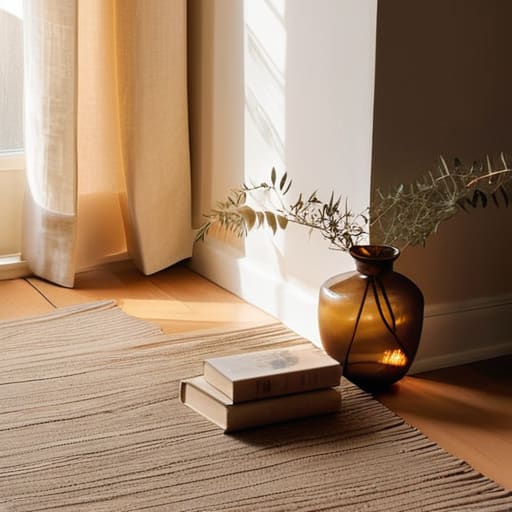
As we wrap up our little journey of transformation, I want you to take a second to look around the space you’ve just reimagined. Whether you focused on swapping out small decor pieces to find a calmer aesthetic or simply shifted your furniture to catch the afternoon sunlight, you’ve done something incredible. You’ve proven that refreshing your environment doesn’t require a massive bank account or a professional designer; it just requires a bit of intentionality and presence. By focusing on low-cost design shifts and mindful layout changes, you’ve effectively turned a mere room into a purposeful sanctuary that supports your well-being rather than draining it.
At the end of the day, remember that your home should be a reflection of the peace you are cultivating within yourself. It’s not about achieving a “Pinterest-perfect” look, but about creating a space where you can truly breathe and reset after a long day. As I often tell my coaching clients, our external environment is a mirror of our internal state. So, as you move forward, don’t be afraid to keep experimenting and listening to what your space needs. You deserve a home that feels like a warm embrace, and I am so incredibly proud of the steps you’ve taken today to make that a reality.
Frequently Asked Questions
I have a lot of clutter in my current space; how can I declutter without feeling overwhelmed or losing the "cozy" vibe I'm aiming for?
I completely hear you. When we’re surrounded by clutter, our brains struggle to find that “reset” button. To keep the coziness without the chaos, try the “micro-zone” method: instead of tackling the whole room, just focus on one small surface, like a nightstand. As you clear it, ask yourself, “Does this item bring me peace or just noise?” Keeping meaningful, tactile items—like a soft throw or a favorite ceramic mug—ensures your space still feels like a warm hug.
Are there specific colors or lighting hacks you'd recommend to make a small, dark room feel more open and energizing on a budget?
Oh, I love this question! When I was working in corporate wellness, I saw how much a cramped, dim office could drain someone’s mental energy. For a small, dark space, I always suggest leaning into “recessive” colors—think soft whites, pale sages, or light sky blues. They trick the eye into seeing more depth. Also, try a “lighting sandwich”: layer a warm floor lamp with a small task light. It breaks up the shadows and instantly lifts the mood!
How can I incorporate more natural elements or plants into my room without spending a fortune on upkeep or decor?
I love this question because bringing nature indoors is such a powerful way to ground yourself. You don’t need a lush jungle to feel the benefits! Start small with low-maintenance “indestructibles” like Pothos or Snake Plants—they’re incredibly forgiving. If even that feels like a commitment, try bringing in natural textures like a jute rug or a wooden bowl. It’s about those small, organic touches that invite a sense of calm into your sanctuary.