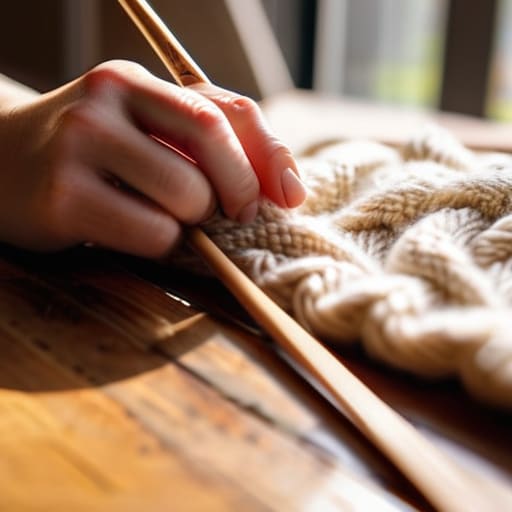
I remember sitting on my floor in a cramped San Francisco apartment, surrounded by tangled skeins of wool and a mounting sense of frustration, convinced that I simply lacked the “natural talent” required to create anything beautiful. I had watched dozens of overly polished tutorials, but every time I tried to follow how to knit for beginners, I ended up with a knot of yarn that looked more like a bird’s nest than a scarf. It took me a long time to realize that knitting isn’t about perfection or innate dexterity; it’s actually a rhythmic form of moving meditation that anyone can master if they stop fighting the yarn and start listening to the process.
In this guide, I’m stripping away the intimidating jargon and the “perfect” aesthetic to give you the real, grounded steps you need to get started. We aren’t just going to talk about stitches; we are going to focus on how to build a sustainable practice that brings a sense of calm to your hectic schedule. You’ll learn exactly which tools to grab, how to manage your tension without stress, and the most effective way to navigate how to knit for beginners without losing your mind. Let’s turn that chaos into something deeply fulfilling.
Table of Contents
- Step-by-Step Instructions
- Curating Your Sanctuary Essential Knitting Supplies for Beginners
- Navigating the Rhythm Choosing the Right Types of Yarn for New Knitters
- Embracing the Learning Curve: 5 Gentle Ways to Find Your Flow
- Finding Your Rhythm: Three Heartfelt Reminders for Your Knitting Journey
- ## The Rhythm of the Stitch
- Finding Your Rhythm in Every Stitch
- Frequently Asked Questions
Guide Overview
Tools & Supplies
- Knitting needles (medium size, bamboo or wood preferred for grip)
- Stitch markers (small plastic rings to track progress)
- Worsted weight yarn (1-2 skeins of light-colored wool or acrylic)
- Measuring tape (1 unit to check project dimensions)
Step-by-Step Instructions
- 1. First, let’s gather our tools, but I want you to approach this like a ritual rather than a chore. You’ll need a pair of medium-sized wooden or bamboo needles—I personally find that wood has a gentle grip that prevents the yarn from sliding away too quickly while you’re still finding your rhythm—and a soft, light-colored skein of wool or cotton. Avoid anything too dark or fuzzy for now, because being able to actually see your stitches is going to be your best friend as you learn.
- 2. Once you have your materials, we need to create the “slip knot,” which is essentially the foundation of your entire project. Think of this as your first deep breath; loop the yarn around your fingers, pull a small loop through, and tighten it gently onto one of your needles. It shouldn’t be so tight that it constricts the needle, but it needs to be secure enough to act as your anchor.
- 3. Now, we move into the “casting on” phase, which is the process of getting those first few loops onto the needle. I love using the long-tail cast-on method because it’s incredibly sturdy, but don’t let the name intimidate you. As you move the yarn around the needle, try to maintain a consistent tension; if you pull too hard, you’ll struggle to move the needle in the next step, and if it’s too loose, your work will look a bit wonky.
- 4. With your stitches resting on the needle, it’s time for the “knit stitch,” the heartbeat of everything we do here. Insert the tip of your right needle into the first loop from front to back, wrap the yarn around the needle in a clockwise motion, and gently pull that new loop through to the front. It’s a rhythmic, almost meditative motion that I find helps quiet the noise of a busy workday.
- 5. After you’ve pulled that new loop through, slide the old stitch off the left needle. This might feel a little clunky at first, and that is perfectly okay. If you find yourself getting frustrated, just pause and reset; remember, we aren’t racing against a clock, we are practicing the art of being present.
- 6. Repeat this process across the entire row until you reach the end of your needle. As you work, you might notice your hands getting a bit tense—this is your cue to drop your shoulders and check in with your body. I always tell my clients that true productivity comes from a relaxed state, and that applies to your knitting just as much as your career.
- 7. Once you reach the end of the row, you’ll simply turn your work around and start the process again on the other needle. You are officially building something from nothing, stitch by stitch. Just keep your eyes on the movement and trust the process, because before you know it, you’ll have a beautiful, tangible piece of art to show for your patience.
Curating Your Sanctuary Essential Knitting Supplies for Beginners
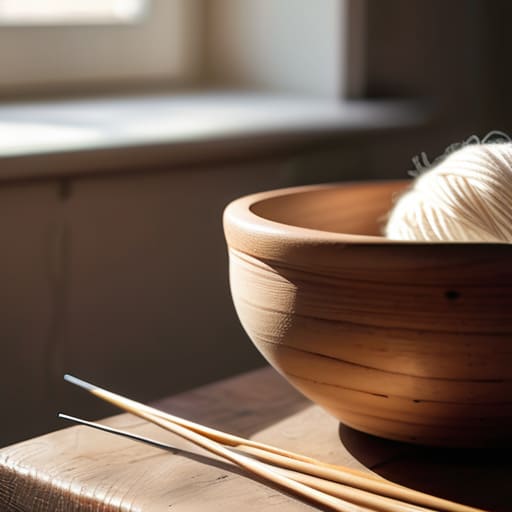
Before you dive into your first project, I want you to think of your supplies not as a checklist of chores, but as the tools for your personal ritual. When I first started, I made the mistake of buying every flashy, fuzzy yarn I saw in the shop, only to realize they were a nightmare to manage! For your first foray, I highly recommend focusing on types of yarn for new knitters that are smooth and light-colored—think cotton blends or high-quality wool. This makes it so much easier to actually see your stitches, which helps prevent those early frustrations.
As you gather your kit, don’t feel pressured to buy everything at once. A simple set of bamboo needles and a pair of sharp scissors are plenty to start your journey. If you’re feeling a bit overwhelmed by the options, a quick glance at a knitting needle sizes guide can be a total lifesaver; it ensures your yarn and needles are in perfect harmony. Remember, the goal here isn’t perfection, but rather creating a gentle space where you can learn, breathe, and slowly find your rhythm.
Navigating the Rhythm Choosing the Right Types of Yarn for New Knitters
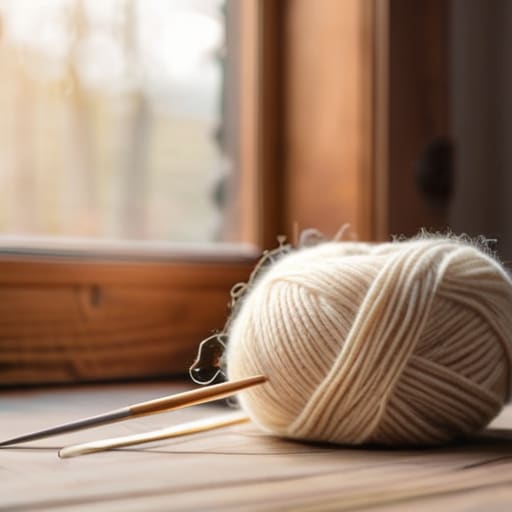
When you first sit down with your supplies, the sheer variety of textures in the yarn aisle can feel a little overwhelming—I remember standing in a craft store in Eugene for twenty minutes just staring at the shelves! For your very first project, I highly recommend leaning toward smooth, light-colored wool or cotton blends. Darker colors or fuzzy yarns like mohair can make it incredibly difficult to see your stitches, which often leads to frustration when you’re trying to figure out where to insert your needle next.
As you explore different types of yarn for new knitters, keep an eye on the weight listed on the label. I suggest starting with a “worsted” or “medium” weight; it’s substantial enough to feel stable in your hands but not so bulky that it becomes heavy. This weight also makes it much easier to follow a knitting needle sizes guide provided on the yarn sleeve, ensuring your tension stays consistent. Think of your yarn choice as setting the tempo for your practice—choose something that flows easily, allowing you to focus on the meditative rhythm of the movement rather than fighting against the material.
Embracing the Learning Curve: 5 Gentle Ways to Find Your Flow
- Be kind to your hands and your ego. When you’re first starting out, your tension might be a little tight—literally! If you notice your knuckles whitening, take a deep breath, set the needles down for a moment, and remind yourself that this is a practice of patience, not a race to the finish line.
- Embrace the “beautiful mistakes.” I used to think a dropped stitch was a disaster, but honestly? Those little irregularities are just part of your unique rhythm. Instead of ripping everything out in frustration, try to see them as evidence of your growth and a testament to the human touch.
- Curate a mindful environment. I always tell my clients that productivity isn’t just about the task; it’s about the setting. Don’t just knit anywhere—find a sun-drenched corner or a cozy chair, put on some lo-fi beats or a calming podcast, and turn your knitting time into a sacred ritual of decompression.
- Focus on the sensation, not just the result. It’s so easy to get caught up in “How much longer until this scarf is done?” but the real magic happens in the sensory experience. Feel the glide of the yarn against your fingers and the rhythmic click of the needles; let it become a moving meditation.
- Seek out a “knitting tribe.” Whether it’s a local shop or a cozy online community, sharing your progress with others makes the journey so much richer. There’s something incredibly healing about connecting with others who understand the quiet joy of a well-turned stitch.
Finding Your Rhythm: Three Heartfelt Reminders for Your Knitting Journey
Remember that your first few stitches aren’t about perfection; they are about the beautiful, meditative process of showing up for yourself and learning a new way to breathe.
Treat your supplies as tools for mindfulness, choosing textures and colors that soothe your spirit rather than just following what’s trendy.
Embrace the “slow productivity” mindset—knitting is a gentle reminder that the most meaningful things in life are built one intentional, patient stitch at a time.
## The Rhythm of the Stitch
“When you first pick up those needles, remember that you aren’t just making a scarf; you’re practicing the art of being present. Don’t let a dropped stitch steal your peace—each knot and tangle is just a gentle reminder to breathe, slow down, and find your rhythm again.”
Sophia Reynolds
Finding Your Rhythm in Every Stitch
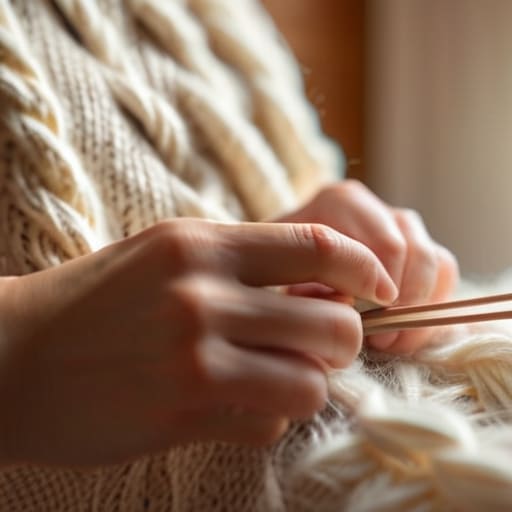
As we wrap up this journey into the world of knitting, I want you to take a moment to acknowledge how far you’ve already come. We’ve walked through the essential mechanics of the craft, from selecting those perfect, tactile yarns to curating a dedicated space where you can truly feel at home. Remember, the goal isn’t to produce a flawless masterpiece on your very first try; it’s about understanding the delicate dance between your hands and the needles. Whether you’re working through a tricky purl stitch or simply enjoying the repetitive motion of a basic knit, you are building a foundation of patience and presence that will serve you far beyond the edges of your scarf.
As you move forward, I encourage you to view every dropped stitch not as a failure, but as a gentle invitation to slow down and reconnect. In my own life, I’ve found that the most profound growth often happens in those quiet, imperfect moments when we choose to stay present instead of rushing toward a finished product. Knitting is so much more than a productive hobby; it is a meditative practice that allows you to weave intention into every loop. So, grab your needles, take a deep breath, and let the rhythm of the yarn guide you toward a more centered, soulful version of yourself. Happy knitting!
Frequently Asked Questions
I keep making my stitches so uneven; how can I tell if my tension is too tight or too loose?
Oh, I’ve been there! I remember my first attempt at a scarf—it felt more like a piece of armor because my tension was so tight. If your stitches feel stiff or you’re struggling to slide the needle through, you’re likely pulling too hard. If they look floppy or gaps appear, you’re too loose. Try this: take a deep breath and let your shoulders drop. Often, tension in our hands is just reflected tension in our bodies.
Is it normal to feel a bit frustrated or lose focus when I first start, or am I doing something wrong?
Oh, please take a deep breath and let that frustration go—you are doing absolutely nothing wrong. In fact, what you’re feeling is incredibly common. When I first started my mindfulness practice, I felt just as restless! Learning a new skill requires rewiring your brain, and that mental friction is just a sign of growth. Instead of fighting the fog, treat those moments as a cue to pause, breathe, and gently return to the rhythm.
How often should I be taking breaks to stretch my hands and rest my eyes while I'm working on a project?
I used to get so lost in my projects that I’d realize hours later my neck was stiff and my eyes were stinging. Please, don’t do that to yourself! I recommend the 20-20-20 rule for your eyes: every 20 minutes, look at something 20 feet away for 20 seconds. For your hands, try to pause every 30 to 45 minutes to gently stretch your fingers and wrists. Think of it as a tiny, mindful reset.