I still remember the frantic, overwhelming feeling of standing in my tiny studio apartment, surrounded by half-finished projects and piles of mismatched supplies, feeling like I was drowning in my own creativity. I had this vision of a seamless, beautiful life, but instead, I was staring at a mountain of raw materials, unable to remember if I actually had enough linen for that new order or if I was just hoping I did. It’s that heavy, buzzing anxiety in your chest when you realize you don’t actually know how to manage stock for a small maker, and the more you try to organize, the more the chaos seems to grow.
I’m not here to sell you on some expensive, soul-crushing enterprise software that requires a degree in data science just to use. Instead, I want to share a more gentle, intentional approach to organization that respects your creative energy. We’re going to walk through practical, grounded strategies to help you gain clarity over your supplies so you can stop worrying about the clutter and get back to the joy of making. Let’s find your flow together.
Table of Contents
- Balancing Raw Materials vs Finished Goods With Intention
- The Gentle Art of Reorder Point Calculation for Artisans
- Cultivating a Harmonious Workspace: 5 Ways to Nurture Your Inventory
- Embracing the Rhythm of Your Creative Flow
- Finding Harmony in Your Inventory
- Finding Your Rhythm in the Flow
- Frequently Asked Questions
Balancing Raw Materials vs Finished Goods With Intention
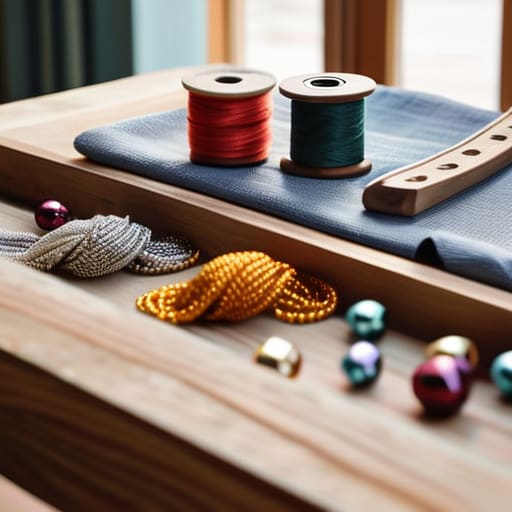
I remember back when I was consulting for small creative studios, I saw so many talented artists drowning in a sea of beautiful, unused beads or rolls of fabric, while simultaneously having nothing ready to ship when an order finally came in. It’s a delicate dance, isn’t it? Balancing raw materials vs finished goods isn’t just about math; it’s about protecting your creative energy. If you tie up all your cash in mountains of supplies, you lose the freedom to pivot. Conversely, if you only focus on finished items, you might find yourself staring at an empty workbench when inspiration strikes.
To find your rhythm, I suggest leaning into a bit of gentle demand forecasting for handmade goods. Instead of guessing, take a breath and look back at your busiest seasons. Are you over-investing in materials that sit idle? By finding that sweet spot, you’re not just managing stock; you’re minimizing deadstock in your small business and ensuring your workspace remains a sanctuary of productivity rather than a warehouse of clutter. Let your inventory serve your creativity, not the other way around.
The Gentle Art of Reorder Point Calculation for Artisans
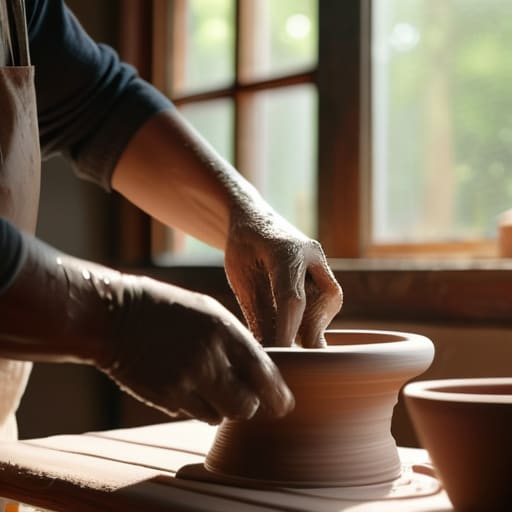
I remember my first year running my studio in Oregon; I used to live in a constant state of “supply panic.” I’d be halfway through a beautiful ceramic piece only to realize I was down to my last handful of clay. That frantic energy is the opposite of the creative flow we all strive for. To find your rhythm, you need a reliable reorder point calculation for artisans. This isn’t just about cold math; it’s about creating a safety net so your creativity isn’t interrupted by a sudden shortage.
Think of your reorder point as a gentle signal from your studio, telling you it’s time to replenish before the void sets in. You can calculate this by looking at your average daily usage multiplied by your lead time—the days it takes for your supplies to arrive—plus a little “buffer” for peace of mind. While some might suggest complex just in time manufacturing for makers, I find that a slightly more generous buffer helps protect your mental space. By knowing exactly when to restock, you stop reacting to crises and start moving with intention.
Cultivating a Harmonious Workspace: 5 Ways to Nurture Your Inventory
- Create a “Sanctuary Space” for your supplies. I’ve found that when our materials are tucked away in clear, labeled containers, it reduces that subtle background anxiety we feel when looking at a cluttered studio. It’s much easier to stay in your creative flow when you aren’t hunting for a specific bead or spool of thread.
- Embrace the “One-In, One-Out” ritual. To prevent your workspace from feeling overwhelmed, try to make a conscious decision every time you bring in a new shipment. Ask yourself: “Does this new colorway truly serve my current vision, or am I just collecting possibilities?” This keeps your stock intentional rather than impulsive.
- Schedule a “Mindful Inventory Date” once a week. Instead of treating stocktaking like a dreaded chore, turn it into a grounding ritual. Grab a cup of herbal tea, put on some soft music, and gently review what you have. It’s a beautiful way to reconnect with the physical reality of your craft and see how much you’ve actually grown.
- Use the “Visual Pulse” method. Sometimes, we get so lost in spreadsheets that we lose touch with the tactile nature of our work. Keep a small, beautiful tray or basket of your most essential, high-turnover items visible on your desk. It serves as a gentle, visual reminder of what’s moving and what might need a little more love.
- Build a “Buffer of Peace” for your bestsellers. In my corporate days, I saw so many people burn out because they couldn’t meet sudden demand. For your most loved pieces, always keep a small, extra reserve of materials tucked away. This way, when a sudden wave of orders comes in, you can meet them with grace instead of panic.
Embracing the Rhythm of Your Creative Flow
View your inventory not as a daunting list of numbers, but as a living reflection of your creative energy that requires gentle, consistent attention.
Trust the balance between preparation and presence by setting clear reorder points that protect your peace of mind and your production schedule.
Remember that true productivity isn’t about having everything at once, but about having exactly what you need to create with intention and joy.
Finding Harmony in Your Inventory
“Managing your stock isn’t just about counting boxes or tracking numbers; it’s about creating a sustainable rhythm for your creativity, ensuring your supplies support your craft rather than cluttering your peace of mind.”
Sophia Reynolds
Finding Your Rhythm in the Flow
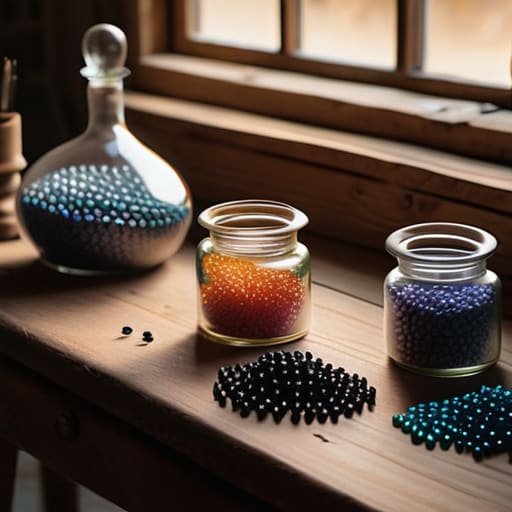
As we wrap up this journey through your studio’s ecosystem, I hope you feel a little more grounded in the way you handle your supplies. Remember, managing your stock isn’t just about numbers on a spreadsheet or counting beads in a jar; it’s about creating a sustainable rhythm between your creative spark and your physical resources. By finding that sweet spot between raw materials and finished pieces, and by using gentle reorder points to guide your purchasing, you are effectively protecting your creative energy from the frantic stress of running out of essentials at the worst possible moment.
At the end of the day, your business should be an extension of your passion, not a source of constant overwhelm. I know it can feel daunting to step away from the “making” to focus on the “managing,” but I promise you that this intentionality is what allows your craft to truly flourish. Take a deep breath and remember that you are building something beautiful, one mindful step at a time. Trust your process, honor your space, and allow yourself the grace to grow at a pace that feels soulful and steady. You’ve got this.
Frequently Asked Questions
How can I keep track of all my supplies without feeling overwhelmed by spreadsheets or complicated software?
I completely hear you—sometimes the very tools meant to help us end up feeling like just another weight on our shoulders. If spreadsheets feel heavy, try the “Visual Inventory” method. Use clear, labeled bins and a simple physical tally sheet tucked right where you work. It turns tracking into a tactile, mindful ritual rather than a digital chore. Remember, your system should serve your creativity, not steal your peace.
What should I do when I realize I've overbought materials that are now just taking up precious space in my studio?
Oh, I’ve been there—staring at a mountain of unused yarn or clay, feeling that heavy knot of guilt in my chest. First, take a deep breath; it’s just stuff, not a reflection of your worth. Let’s turn that clutter into connection. Can you bundle those extras into a “maker’s kit” for a beginner? Or perhaps host a small studio swap with local friends? Transforming “excess” into “community” is the most beautiful way to reclaim your space.
How do I find that sweet spot between having enough stock to fulfill orders quickly and not tying up all my hard-earned money in sitting inventory?
Think of your inventory like your own energy levels—if you overextend, you burn out; if you undercharge, you stall. To find that sweet spot, I recommend the “ABC Analysis” approach, but with a mindful twist. Categorize your items: focus your most intense attention on your “A” items—the high-value, fast-moving pieces. By keeping those lean and precise, you protect your cash flow while ensuring your most loved creations are always ready to find their new homes.