I remember sitting on my floor in a tiny, sun-drenched apartment in California, surrounded by what felt like a colorful, textile avalanche. I had just finished a grueling week in corporate consulting, and instead of feeling the creative spark I craved, I felt completely paralyzed by the sheer volume of scraps and bolts staring back at me. I realized then that I didn’t just have a hobby; I had a source of mental clutter that was draining my energy. If you’ve ever stared at your sewing room and felt a wave of anxiety instead of inspiration, please know you aren’t alone. Learning how to sort a fabric stash isn’t just about tidying up; it’s about reclaiming your creative headspace from the chaos.
In this guide, I’m not going to suggest you buy a dozen expensive, color-coded acrylic bins or spend your entire weekend on a Pinterest-perfect overhaul. Instead, I want to share a gentle, sustainable approach rooted in mindfulness and practical organization. We are going to walk through a system that honors your creativity without overwhelming your schedule, ensuring that your workspace becomes a sanctuary rather than a chore.
Table of Contents
Decluttering Your Sewing Room for a Peaceful Mind
I remember a time when my own sewing room felt less like a creative sanctuary and more like a source of low-grade anxiety. Every time I walked through the door, the sheer volume of unfinished projects and overflowing bins felt like a physical weight on my chest. I realized then that decluttering your sewing room isn’t just about making space for more projects; it’s about clearing the mental fog that comes with visual chaos. When our environment is cluttered, our brains struggle to focus, making it nearly impossible to enter that beautiful “flow state” we all crave when we sit down to create.
To find that sense of calm, I suggest approaching your space with intention rather than urgency. Instead of rushing to shove everything into bins, try listening to what your space needs. This might mean implementing better fabric scrap management tips to clear the floor, or simply deciding which pieces no longer spark joy. As we transition from the physical mess to a more organized system, we aren’t just tidying up; we are creating a sacred space where our creativity can finally breathe.
Mastering Fabric Weight and Type Sorting With Intention
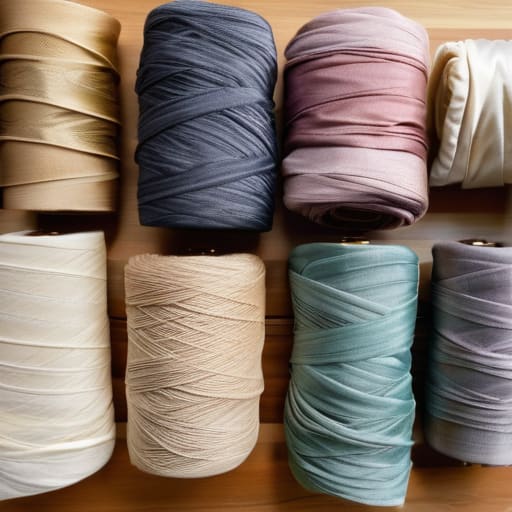
Once you’ve cleared the mental and physical clutter, it’s time to dive into the heart of your collection. I remember when I first started my journey into textile arts, I used to just toss everything into one giant bin, only to realize later that I had no idea what I actually owned. To avoid that frustration, I’ve found that fabric weight and type sorting is a total game-changer for your creative flow. Instead of seeing a mountain of cloth, try to see the potential in every texture. Group your silks with silks and your heavy canvases with canvases; it creates a sense of rhythm that makes choosing your next project feel less like a chore and more like a joyful discovery.
As you move through this process, think about how you’ll actually use these pieces. While some people love organizing sewing supplies by color for that beautiful visual pop, I find that categorizing by utility—like separating your quilting cottons from your drape-heavy rayons—is much more intuitive for my workflow. If you’re feeling overwhelmed, don’t feel pressured to do it all at once. Just take it one texture at a time, and remember: you aren’t just organizing fabric, you’re curating your creative future.
Small Steps Toward a More Intentional Fabric Collection
- Let’s try sorting by color to create a visual rhythm; there’s something so soothing about seeing a spectrum of blues or soft pastels lined up, and it actually makes it much easier for your brain to spark creative ideas when you’re in a flow state.
- Group your fabrics by project type—like setting aside a dedicated bin for quilting scraps and another for garment notions—so you aren’t frantically digging through silk when you really just need a bit of cotton.
- Use the “Touch and Feel” method to organize by texture; I’ve found that separating the heavy, comforting wools from the light, airy linens helps me intuitively choose the right material for the mood I want to create in my next piece.
- Create a “Gratitude Pile” for your smallest scraps; instead of seeing them as clutter, view them as little opportunities for mindfulness, like making a tiny scrap quilt or testing new thread colors.
- Implement a “One-In, One-Out” mindfulness practice where, before you bring a new, beautiful textile into your home, you take a moment to honor the fabrics you already have by donating or repurposing something that no longer serves your creative journey.
Finding Harmony in Your Creative Space
View your fabric organization not as a chore, but as a mindful ritual that honors both your past creativity and your future projects.
Prioritize sensory-based sorting, like grouping by weight or texture, to create a tactile library that makes your sewing time feel intuitive rather than overwhelming.
Remember that a curated stash is more powerful than a cluttered one; letting go of what no longer serves your vision is an essential step in making room for new inspiration.
Finding Flow in Your Creative Chaos
“Sorting your fabric stash isn’t just about categorizing scraps and bolts; it’s about clearing the mental clutter so that when you finally sit down to create, your hands can move with intention and your heart can find its flow.”
Sophia Reynolds
Finding Your Flow in the Fabric
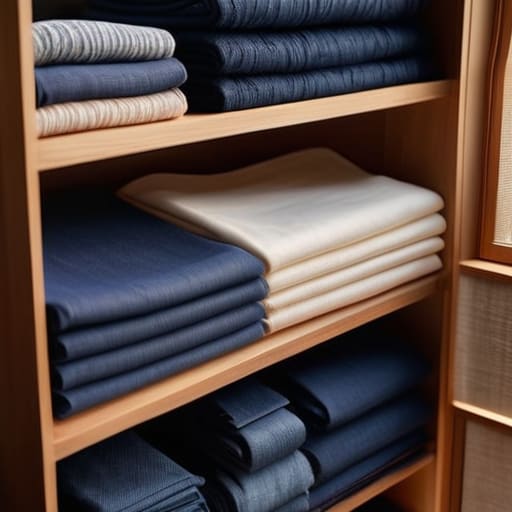
As we wrap up this journey of organization, I want you to take a moment to look at your newly sorted collection. By moving from a mindset of overwhelming chaos to one of intentional categorization—whether you sorted by weight, color, or fiber type—you’ve done more than just tidy a room. You have effectively reduced the cognitive load that was silently draining your creative energy every time you sat down to sew. Remember, the goal wasn’t just to stack fabric neatly, but to create a visual sanctuary where your next big idea can breathe and flourish without the distraction of clutter.
At the end of the day, your sewing room should be a place of joy, not a source of stress. If you find yourself feeling overwhelmed again in a few months, don’t be hard on yourself; even the most mindful practitioners face seasons of messiness. Just treat it as an opportunity to pause, breathe, and reset. Let this organized space be a gentle reminder that when we bring order to our external environment, we often find a much deeper sense of internal harmony and creative freedom. Now, grab that beautiful piece of linen you’ve been saving and let your heart lead the way.
Frequently Asked Questions
How do I decide which fabric scraps are worth keeping and which ones are just adding to my mental clutter?
I completely hear you—that pile of scraps can start to feel less like “potential” and more like a heavy weight on your mind. I like to use a “joy and utility” check. Hold a scrap up and ask: Does this spark a specific project idea right now, or am I just holding onto the ghost of a project from three years ago? If it doesn’t serve your current creative season, let it go.
I feel so overwhelmed by the sheer volume of my collection—is there a way to sort everything without feeling completely exhausted?
Oh, I hear you so clearly. I remember sitting on my floor in my old apartment, surrounded by piles of textiles, feeling like I couldn’t even breathe. Please, be gentle with yourself. Instead of tackling the whole mountain, try the “micro-session” method: set a timer for just fifteen minutes, or focus on sorting just one small basket of scraps. By honoring your energy limits, you turn a daunting chore into a series of small, mindful wins.
Once I have everything sorted by weight and type, what's the best way to actually store it so I can find what I need without disrupting my peace?
Now that your fabrics are categorized, let’s focus on creating a flow that feels intuitive rather than overwhelming. I’ve found that clear, transparent bins are absolute game-changers; being able to see your beautiful colors without digging prevents that frantic, cluttered feeling. Try grouping them by project type or color palette in shallow drawers. It turns your stash from a mountain of “stuff” into a curated library that inspires you every time you reach for a piece.