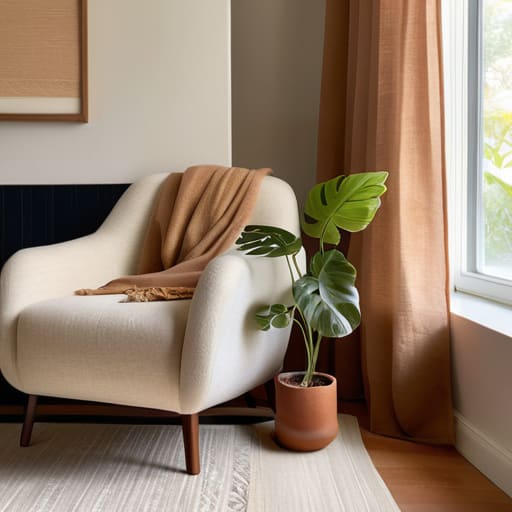
I remember sitting on the floor of my first tiny apartment in San Francisco, surrounded by half-unpacked boxes and the relentless, cold hum of the city outside. I had spent my entire paycheck on a “minimalist” designer lamp that was supposed to make the place feel high-end, but all it did was make the room feel sterile and lonely. I realized then that there is a massive difference between a room that looks curated for a magazine and one that actually feels like a hug for your soul. We often get so caught up in expensive trends that we forget the real essence of how to make a room cosy is actually about sensory connection, not just following a Pinterest aesthetic.
I’m not here to tell you to go out and buy a thousand-dollar velvet sofa or a set of designer candles. Instead, I want to share the intentional, evidence-based ways you can transform your four walls into a true sanctuary. We’re going to explore how to use light, texture, and even scent to quiet the mental noise of a busy day. My goal is to help you create a space that doesn’t just look beautiful, but actually supports your well-being and invites you to finally, deeply, breathe.
Table of Contents
Embracing Warm Color Palettes for Living Rooms
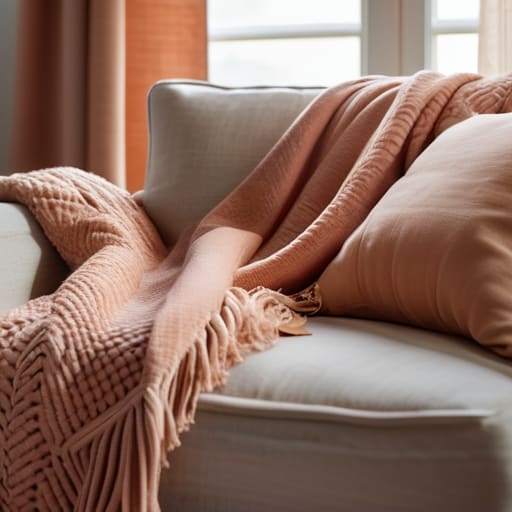
I remember sitting in my old corporate apartment in San Francisco, surrounded by stark white walls and cold, grey furniture. It felt less like a home and more like a sterile waiting room, which honestly didn’t help my stress levels one bit. When I finally decided to prioritize my mental well-being, the first thing I changed was my color story. Moving away from those icy tones and leaning into warm color palettes for living rooms changed everything. Think of soft terracottas, creamy oatmeals, or even a muted, dusty rose. These aren’t just colors; they are visual hugs that signal to your nervous system that it’s finally safe to decompress.
When we talk about sensory interior design, we have to acknowledge how much our eyes influence our internal state. By choosing hues with yellow or red undertones, you’re essentially bathing your space in a constant, gentle glow. It’s one of those simple hygge home decor ideas that yields massive psychological returns. Instead of a room that feels sharp and demanding, you create an environment that feels soft, inviting, and deeply restorative.
Mastering Ambient Lighting Techniques for Calm
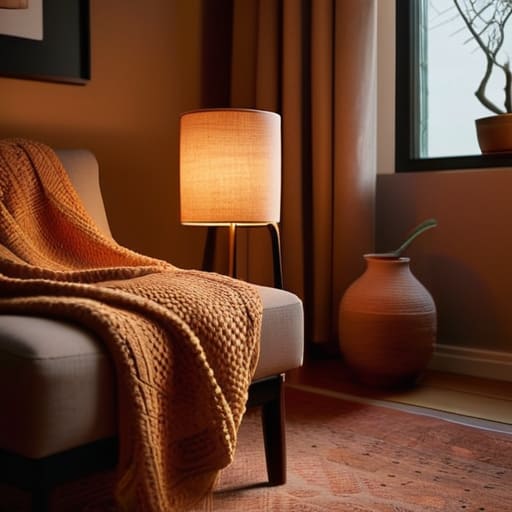
If there is one thing I learned during my years as a corporate wellness consultant, it’s that our nervous systems are incredibly sensitive to our surroundings. You can have the most beautiful furniture in the world, but if you’re sitting under a harsh, flickering overhead light, your brain stays in a state of low-level “alert mode.” To truly master ambient lighting techniques, we need to move away from those clinical, ceiling-mounted fixtures and start thinking in layers. I love to create “pools of light” by placing small lamps at different heights throughout a room. This mimics the soft, natural transition of sunset, signaling to your body that it is finally safe to unwind and decompress.
Think of lighting as a vital component of sensory interior design. Instead of one bright source, try scattering warm-toned fairy lights, salt lamps, or even a collection of unscented beeswax candles across your surfaces. There is something so deeply grounding about the flicker of a real flame; it creates a rhythmic, calming visual that invites stillness. By softening the edges of your room with these gentle glows, you aren’t just decorating—you are actively sculpting an environment that nurtures your mental well-being.
Softening the Edges: 5 Ways to Infuse Your Space with Soul
- Layer in some tactile magic with textures that beg to be touched. Think chunky knit throws, velvet cushions, or a plush faux-fur rug; when we engage our sense of touch, our nervous system naturally begins to downshift from “work mode” into “rest mode.”
- Bring the outdoors in with a touch of greenery. There’s something deeply grounding about a leafy Monstera or a small succulent on your desk; it reminds us of our connection to the natural world, even when we’re tucked away inside.
- Curate a “scent sanctuary” to anchor your mood. I’ve found that diffusing a hint of sandalwood or lavender can act as a sensory cue to your brain that it’s finally time to exhale and let the day go.
- Personalize your corners with stories, not just stuff. Instead of generic decor, display those little treasures—a ceramic bowl from your travels or a stack of well-loved books—because a space feels truly cozy only when it reflects the person living within it.
- Create a dedicated “unplugged nook.” Whether it’s a single armchair by a window or a floor cushion in a quiet corner, having one specific spot reserved for reading or meditation helps you reclaim your focus and find stillness amidst the digital noise.
Bringing It All Together: Your Path to a Restorative Space
Remember that coziness isn’t about perfection; it’s about layering warmth through soft colors and gentle light to create a sensory hug for your soul.
Use your space as a tool for mindfulness by intentionally choosing textures and tones that help you transition from the rush of the day into a state of calm.
Start small—even a single candle or a soft throw blanket can act as a powerful anchor, inviting you to pause, breathe, and truly inhabit your home.
The Soul of a Sanctuary
“A truly cozy room isn’t just about the textures we touch or the colors we see; it’s about creating a physical container for peace, where the outside world finally feels like it’s on pause and your nervous system can finally exhale.”
Sophia Reynolds
Creating Your Own Sanctuary
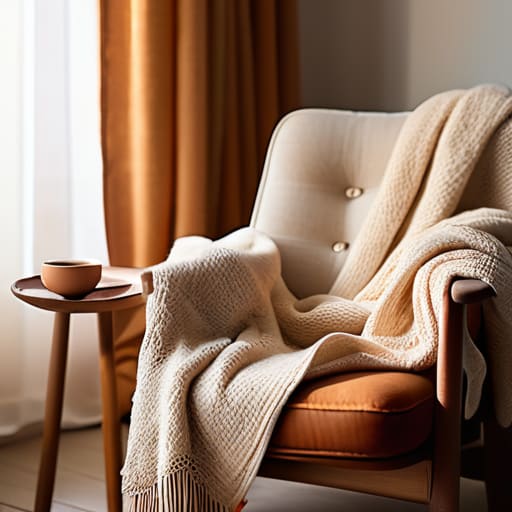
As we wrap up our journey into the art of coziness, I want you to take a moment to reflect on how far you’ve come. We’ve explored how the right color palette can wrap your living room in a warm hug, and how mastering ambient lighting can instantly shift your nervous system from “fight or flight” into a state of true repose. Remember, it isn’t about achieving a perfect, catalog-ready aesthetic; it’s about the intentional layering of textures, tones, and light to create a space that truly resonates with your soul. By focusing on these sensory details, you aren’t just decorating a room—you are curating an environment for peace.
At the end of the day, your home should be more than just a place where you store your things; it should be a soft landing pad for your spirit. In my own journey from the high-stress corporate world to finding balance through mindfulness, I’ve learned that our physical surroundings act as a mirror to our internal state. When you invite stillness and warmth into your living space, you are essentially giving yourself permission to pause, breathe, and simply be. So, go ahead—light that candle, grab that weighted blanket, and start building the sanctuary you deserve. You’ve earned it.
Frequently Asked Questions
How can I make a room feel cozy if it's naturally quite small or feels a bit cluttered?
I completely hear you—sometimes a small or cluttered space can feel more overwhelming than soothing. When I lived in my tiny studio in San Francisco, I learned that coziness isn’t about size; it’s about intention. Try “zoning” your space with small rugs to define areas, and instead of fighting the clutter, embrace “curated cozy.” Group small items on trays to create visual order. It turns chaos into a collection of meaningful treasures.
Are there specific textures or fabrics that I should prioritize to create that sense of warmth without making the space feel heavy?
That is such a thoughtful question! I used to struggle with this when I was first redesigning my own home office; I wanted cozy, but I didn’t want to feel “smothered” by decor. My secret? Layering light, breathable textures. Think linen pillows for a soft touch, or a chunky knit throw for visual warmth without the bulk. Aim for tactile variety—like a jute rug paired with velvet accents—to create depth and soul without weighing the room down.
I struggle with a minimalist aesthetic—how can I add coziness without losing that clean, intentional look I love?
I completely hear you—I used to think “cozy” and “minimalist” were polar opposites, but they actually dance together beautifully. The secret is in the textures. Think of it as “sensory minimalism.” Instead of adding clutter, swap out cold surfaces for organic ones. A chunky wool throw or a soft linen cushion adds warmth and soul without disrupting your clean lines. It’s about choosing quality over quantity to create a space that feels intentional, yet deeply nurturing.