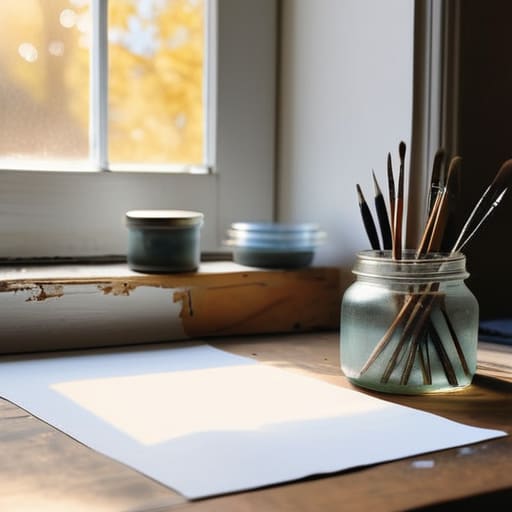
I remember sitting on my floor in a cramped San Francisco apartment, staring at a blinking cursor that felt more like a heartbeat than a tool, feeling completely paralyzed. The air was thick with the scent of stale espresso, and my mind was just… empty. I had read all the productivity hacks, the ones telling me to “grind harder” or buy a more expensive planner, but nothing worked. It’s incredibly frustrating when you’re searching for how to deal with creative block only to find a sea of toxic “hustle culture” advice that tells you to simply push through the wall. Trust me, I’ve been there, and I know that forcing a spark that isn’t there is the fastest way to burn out.
In this post, I’m stripping away the fluff and the expensive “productivity systems” that don’t actually serve your soul. Instead, I want to share what I’ve learned from both my psychology studies and my own messy journey toward balance. We are going to explore how to reconnect with your natural rhythm through intentional pauses and evidence-based mindfulness. I promise to give you real, actionable strategies for how to deal with creative block that honor your mental well-being while helping you find your flow again.
Table of Contents
Finding Stillness Through Artistic Burnout Recovery

When I was working in corporate wellness, I saw so many brilliant minds hit a wall, thinking they were just “lazy.” But there’s a massive difference between needing a nap and needing true artistic burnout recovery. When you’re in that deep, heavy fog, your brain isn’t broken; it’s just overstimulated and exhausted. I remember a time back in my early days in California when I couldn’t even pick up a paintbrush without feeling a sense of dread. I realized then that I wasn’t lacking talent; I was simply running on an empty tank.
To navigate this, we have to stop fighting the exhaustion and start honoring it. Instead of forcing yourself to grind through the fog, try shifting your focus toward sensory stimulation for inspiration. This might mean stepping into a botanical garden to feel the texture of leaves or listening to a complex jazz composition without trying to “produce” anything. By engaging your senses without the pressure of an end goal, you allow your nervous system to settle. This gentle approach is often the most effective way of overcoming mental fatigue and making space for your spark to return naturally.
Gentle Sensory Stimulation for Inspiration
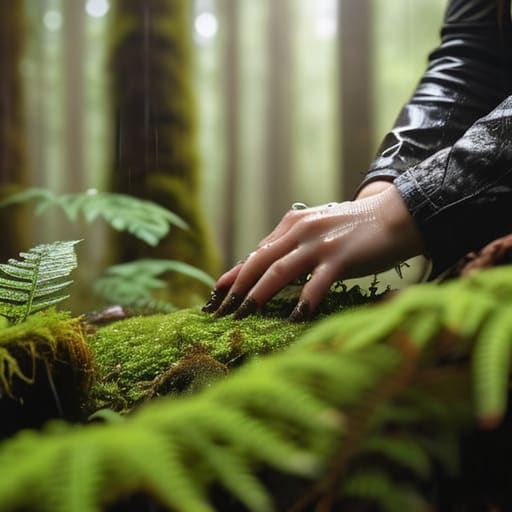
Sometimes, when the internal noise gets too loud, the best way to find your way back to your craft isn’t by thinking harder, but by feeling more. I remember a particularly stagnant week during my corporate days when I felt completely disconnected from my own intuition. Instead of staring at a blank screen, I stepped outside and focused entirely on the scent of damp earth after a rainstorm. This kind of sensory stimulation for inspiration works because it bypasses the analytical brain—the part of you currently stuck in a loop—and speaks directly to your subconscious.
Try engaging your senses in small, intentional ways to break the cycle of stagnation. This could be as simple as lighting a cedarwood candle while you sketch, or listening to ambient lo-fi beats to anchor your focus. By shifting your environment through texture, scent, or sound, you’re essentially practicing subtle creative flow state techniques that lower your cortisol levels. When we stop fighting the mental fog and instead offer our senses a gentle playground, we create the perfect, low-pressure space for that elusive spark to return.
Small Shifts to Invite the Flow Back In
- Embrace the “Low-Stakes” Draft. I used to think every word had to be a masterpiece, which is just a recipe for paralysis. Try telling yourself that what you’re creating right now is allowed to be messy, imperfect, and even a little bit silly. When you lower the pressure, you lower the barrier to entry.
- Change Your Physical Horizon. Back when I was consulting for high-stress corporate teams, I noticed that staring at the same four walls can actually shrink your mental bandwidth. If you’re stuck, move. Even if it’s just sitting on the floor or heading to a local cafe, a new visual perspective can trick your brain into new neural pathways.
- Curate a “Micro-Inspiration” Ritual. Instead of scrolling through endless social media feeds—which usually just leads to comparison fatigue—pick one specific thing to study. Maybe it’s the way light hits a leaf or the rhythm of a single song. Deeply observing one small thing helps ground your focus.
- Use the “Five-Minute Rule” to Bypass Resistance. The hardest part of creativity is often the transition from stillness to action. Tell yourself you’ll only work for five minutes. Usually, once the initial friction of starting is gone, you’ll find that the momentum carries you much further than you expected.
- Schedule “Productive Procrastination.” Sometimes, your brain isn’t actually broken; it’s just full. If you can’t write or design, try a different kind of task—like organizing your desk or prepping a healthy meal. This allows your subconscious to keep working on the creative problem in the background while your conscious mind rests.
Embracing the Pause: Your Roadmap Back to Flow
Stop fighting the wall; when the creative well runs dry, treat it as a signal from your nervous system to rest rather than a personal failure.
Shift your focus from high-pressure output to low-stakes sensory input, allowing small, beautiful moments to gently reignite your internal spark.
Remember that true productivity isn’t about constant motion, but about finding the intentional rhythm between deep work and soulful stillness.
Reframing the Silence
“Creative block isn’t a wall blocking your path; it’s your mind’s way of asking for a pause. Instead of fighting the silence, try leaning into it—sometimes the most profound breakthroughs only happen after we’ve given ourselves permission to simply be still.”
Sophia Reynolds
Reclaiming Your Creative Rhythm
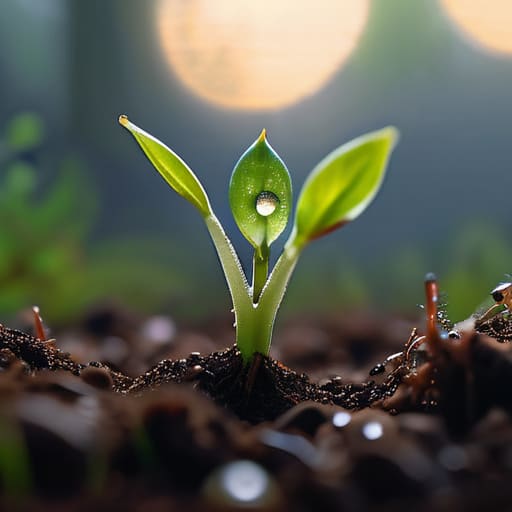
As we wrap up our journey through this creative fog, I want you to remember that overcoming a block isn’t about forcing your way through a brick wall. We’ve talked about the importance of honoring your burnout by finding stillness, and how sometimes, the smallest bit of sensory stimulation—a new scent, a different texture, or even just the rhythm of a walk—can act as a gentle nudge back to your flow. It’s all about listening to the subtle cues your mind is sending you. Instead of fighting the silence, try to work with it, treating these moments of stagnation not as failures, but as necessary seasons of rest that prepare the soil for your next great idea to bloom.
Please, be kind to yourself as you navigate these ebbs and flows. I remember back in my corporate days, I used to view every moment of “unproductivity” as a personal flaw, but my time studying psychology taught me that our creativity is a living, breathing thing that requires nourishment. You aren’t a machine; you are a human being, and your worth is not tied to your output. Trust that the inspiration is still there, tucked away just beneath the surface, waiting for you to breathe and let it back in. You’ve got this, and I am rooting for you every single step of the way.
Frequently Asked Questions
How can I tell the difference between a temporary creative block and actual, deep-seated burnout?
It’s such a nuanced question, and honestly, one I struggled with myself during my corporate years. Think of a creative block like a temporary fog; you’re still “you,” you’re just waiting for the visibility to clear. Burnout, however, feels much heavier—it’s a systemic exhaustion that drains your joy even outside of work. If a weekend of rest leaves you recharged, it’s likely a block. If you feel hollow and resentful of everything you once loved, that’s your soul signaling deep-seated burnout.
Is there a way to stay productive in my professional life without feeling like I'm draining my creative reserves?
I hear you, and I want you to know that feeling this way isn’t a failure—it’s your system asking for a boundary. To stay productive without draining your soul, try “compartmentalizing your energy.” Use your high-focus windows for deep creative work, but save your “low-battery” hours for administrative tasks or routine emails. Think of it as rhythmic breathing for your career: inhale deep, creative effort, then exhale through steady, mindful maintenance.
What are some small, low-pressure ways to practice mindfulness when I feel the frustration of a block starting to build?
When that familiar heat of frustration starts rising, don’t try to “think” your way out of it. Instead, try a “micro-reset.” I love the 5-4-3-2-1 technique: pause and name five things you see, four you can touch, three you hear, two you smell, and one you can taste. It gently pulls your brain out of that mental loop and back into your body. Even just feeling the weight of your feet on the floor can ground you.