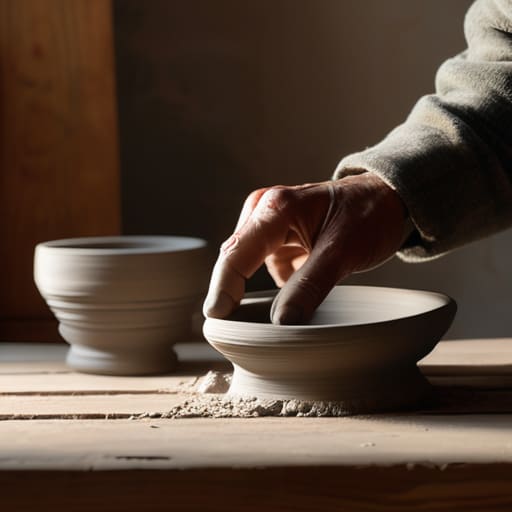
I still remember sitting on my living room floor in Oregon, surrounded by half-finished projects and a silence so heavy it felt physical. I had this misguided idea that I needed to master some complex, expensive art form to “fix” my sadness, as if a high-end pottery wheel could somehow mend a broken heart. But let’s be real: when you’re in the thick of loss, the last thing you need is a demanding new hobby that feels like another chore on your to-do list. The truth about how to use crafting for grief isn’t about creating a masterpiece for a gallery; it’s about finding a way to quiet the noise in your head through the simple, rhythmic movement of your hands.
I’m not here to sell you on a lifestyle overhaul or a thousand-dollar kit. Instead, I want to share what I’ve learned from both my psychology background and my own messy, tear-stained attempts at making. We’re going to explore how low-pressure, tactile activities can serve as a gentle anchor when life feels like it’s drifting away. My promise to you is simple: no fluff, no toxic positivity, just honest, evidence-based ways to let your creativity hold space for your healing.
Table of Contents
Embracing Tactile Healing Through Creativity and Motion
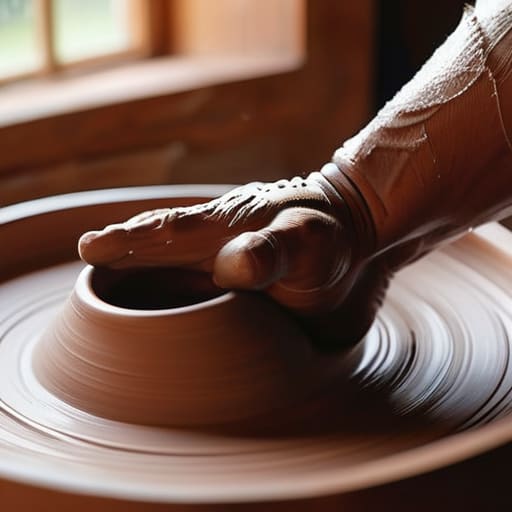
There is something profoundly grounding about the physical sensation of working with your hands. When I was navigating the burnout of my corporate years, I realized that my mind was often spinning in circles, unable to find an anchor. Grief can feel much the same—like a chaotic storm of thoughts that you can’t quite grasp. This is where tactile healing through creativity becomes such a powerful ally. Whether it’s the rhythmic pull of a knitting needle, the cool squish of clay, or the resistance of a paintbrush against canvas, these physical sensations pull us out of our heads and back into our bodies.
By engaging in mindful crafting for mental health, we aren’t just making “things”; we are creating a physical outlet for emotions that often feel too large for words. It’s about the motion—the repetitive, soothing flow of the work that allows the nervous system to settle. Sometimes, the simple act of focusing on the tension of a thread or the texture of paper provides a much-needed sanctuary, giving us a way to process the heavy silence of loss through the quiet, steady language of movement.
Mindful Crafting for Mental Health in Quiet Moments
There’s a specific kind of quiet that settles in when you’re grieving—a heavy, ringing stillness that can feel almost overwhelming. During my time as a wellness consultant, I noticed that many people try to “think” their way out of sadness, but grief often lives in the body, not just the mind. This is where mindful crafting for mental health becomes such a gentle sanctuary. When you focus on the rhythmic pull of a needle through fabric or the steady flow of watercolor on paper, you aren’t just making something; you are anchoring yourself in the present moment. It’s a way to quiet the mental noise by giving your senses something soft and steady to hold onto.
I often tell my clients that these small, repetitive motions act as a bridge between chaos and calm. Engaging in creative coping mechanisms for loss doesn’t mean you are trying to “fix” your sadness, but rather that you are creating a safe container for it. Whether it’s the slow process of embroidery or the messy joy of clay sculpting, these moments allow you to exist without the pressure to perform or be “okay.” It’s about finding a rhythm that feels as gentle as your own breath.
Small Ways to Let Your Hands Lead the Way
- Release the pressure of perfection by choosing “messy” crafts. When we’re grieving, the last thing we need is another standard to meet. Try something like watercolor painting or clay sculpting where there are no wrong moves—just let the colors bleed or the clay shape itself under your fingers. It’s about the release, not the masterpiece.
- Create a “Memory Vessel” to hold the heavy stuff. I’ve found that dedicating a specific project to a loved one—like decorating a wooden box or sewing a patchwork quilt from old shirts—gives those overwhelming emotions a physical place to live. It transforms abstract pain into something tangible that you can actually hold.
- Use repetitive motions to anchor your nervous system. There is something deeply neurobiological about the rhythmic nature of knitting, crocheting, or even embroidery. These repetitive, predictable movements act like a gentle lullaby for your brain, helping to lower cortisol levels when the world feels too loud.
- Let your colors speak when words fail. Sometimes, the grief is too deep for a conversation. Grab some markers or pastels and just pick colors that match your internal weather. If you feel heavy and dark, use deep blues or charcoal; if there’s a flicker of hope, let a bright yellow peek through. It’s a way of externalizing the internal without having to find a single word.
- Build a “Low-Energy Craft Kit” for the hardest days. Grief is exhausting, and some days, even picking up a needle feels like climbing Everest. Keep a small basket nearby with simple, low-stakes activities—like a coloring book, some air-dry clay, or even just a piece of soft fabric to texture. When your energy is low, these little anchors can help you stay present without demanding too much of you.
Bringing the Pieces Together: My Heartfelt Reminders for Your Journey
Don’t aim for perfection; aim for presence. When you’re crafting through grief, the goal isn’t to make a masterpiece to hang on the wall, but to give your hands a way to express what your words can’t quite reach.
Use the rhythm of your craft as an anchor. Whether it’s the steady click of knitting needles or the repetitive motion of sanding wood, lean into those tactile sensations to ground yourself when the waves of emotion feel overwhelming.
Honor your energy levels. Some days you might have the strength to tackle a complex project, and other days, simply doodling on a napkin is a victory. Listen to your body and let your creativity expand or contract as you need it to.
The Rhythm of Healing
“When the words for our loss simply won’t come, let the rhythm of the needle or the feel of the clay speak for us; sometimes, the most profound way to honor what we’ve lost is to let our hands create something new from the pieces of our hearts.”
Sophia Reynolds
Finding Your Way Back to You
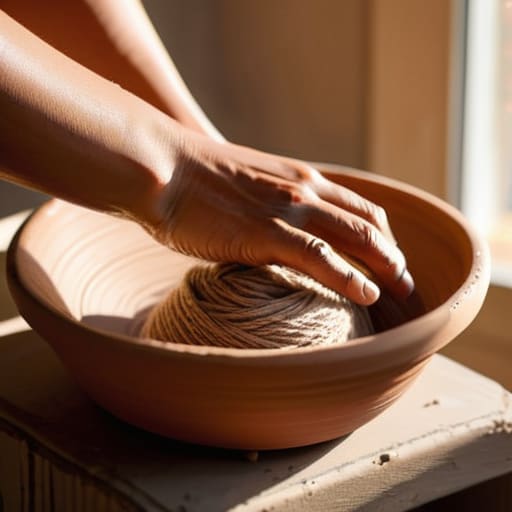
As we’ve explored, crafting isn’t about producing a masterpiece or perfecting a skill; it’s about creating a safe space for your emotions to land. Whether you are using the rhythmic motion of knitting to soothe a racing mind, or leaning into the mindful stillness of pottery to process the heavy silence of loss, you are doing something incredibly brave. You are taking the intangible, overwhelming weight of grief and turning it into something tangible and real. By engaging your senses and allowing your hands to lead the way, you aren’t just making art—you are building a bridge back to yourself, one stitch, one brushstroke, or one clay coil at a time.
Please remember to be gentle with yourself as you navigate this journey. There will be days when the colors feel muted and the creative spark feels far away, and that is perfectly okay. Grief doesn’t follow a linear path, and neither should your healing. Just keep showing up for yourself in these small, creative ways. Even on the hardest days, remember that every act of creation is an act of resilience. You are learning to breathe through the pain, and in doing so, you are reclaiming your capacity for joy. Take it one breath, and one craft, at a time.
Frequently Asked Questions
I feel so overwhelmed by everything right now—is it okay if my crafting looks messy or unfinished, or do I need to make something "good"?
Oh, honey, please hear me: it is more than okay. In fact, I want to give you permission right now to make something absolutely “terrible.” When we’re grieving, we often feel like we have to perform or hold everything together, but your craft doesn’t need to be a masterpiece; it just needs to be a release. If it’s messy, let it be messy. If it’s unfinished, let it rest. Your joy isn’t measured by the final product, but by the breath you took while making it.
What if I don't have a creative bone in my body? Are there simpler, low-pressure ways to start using my hands to process this pain?
Oh, I hear you—and honestly, I’ve been there too. I used to think “creative” meant being able to paint a masterpiece, but grief doesn’t need a masterpiece; it just needs an outlet. Please, give yourself permission to be “bad” at this. Try something repetitive and low-stakes, like simple adult coloring books, arranging stones in a garden, or even just kneading bread dough. It’s not about the art; it’s about the rhythm.
Can crafting actually help when the grief feels physically heavy, or is it just a way to pass the time?
It’s so much more than just a distraction. When grief feels like a physical weight in your chest, it’s often because our nervous systems are stuck in a state of high alert or profound stagnation. Crafting acts as a bridge. By focusing on the rhythmic motion of a needle or the texture of clay, you’re actually grounding your sensory system, helping to move that heavy, stagnant energy through your body and back into a sense of flow.