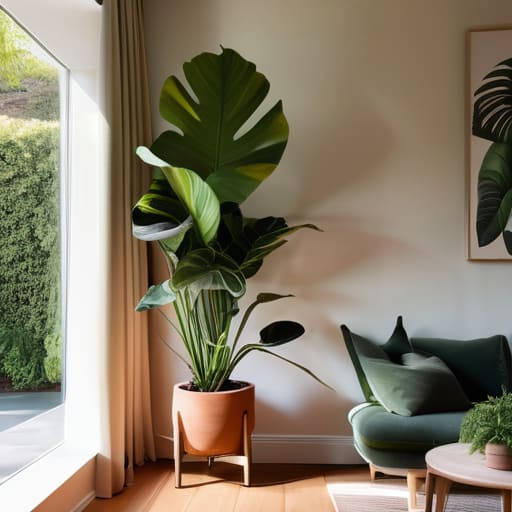
I remember sitting on the floor of my first tiny apartment in San Francisco, surrounded by half-dead ferns and a crushing sense of guilt. I had spent a small fortune on “aesthetic” greenery, only to realize that I had no idea how to actually connect them to my space. I was treating my greenery like mere furniture, following those rigid, Pinterest-perfect rules about how to arrange plants indoors without actually listening to what the light or the energy of the room was telling me. It felt less like creating a sanctuary and more like managing a high-maintenance inventory, and honestly, it was exhausting.
I’m not here to give you a checklist of expensive designer pots or tell you that your home won’t be “zen” without a specific brand of ceramic. Instead, I want to share how you can use greenery to create a living, breathing extension of your own peace. We’re going to move past the superficial styling and dive into a way of arranging your plants that prioritizes both biological health and emotional harmony. I promise to guide you through a practical, soul-centered approach to building your indoor jungle, so your space finally feels like a true place of rest.
Table of Contents
- Designing With Intention Interior Design With Houseplants
- Creating Plant Vignettes for Moments of Stillness
- Small Rituals for a Living Sanctuary: 5 Ways to Curate Your Green Space
- Bringing the Harmony Home: My Three Golden Rules
- The Living Rhythm of Your Home
- Cultivating Your Living Sanctuary
- Frequently Asked Questions
Designing With Intention Interior Design With Houseplants
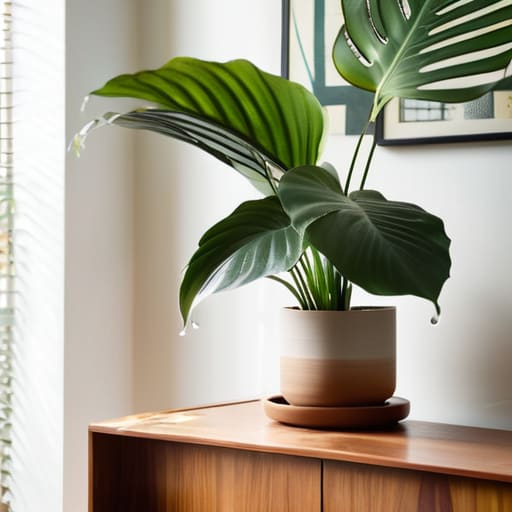
When I first transitioned from the high-stress corporate world to my own home studio, I realized that my space wasn’t just a place to work; it was an extension of my mental state. I stopped seeing greenery as mere decoration and started viewing interior design with houseplants as a way to curate my emotional environment. Instead of just scattering pots wherever there was an empty corner, I began designing with intention. I found that grouping plants together—what I like to call creating plant vignettes—doesn’t just look beautiful; it creates a micro-ecosystem that helps maintain steady humidity levels, which is a total game-changer for your more sensitive tropical varieties.
I also learned that a flat, single-level arrangement can feel a bit stagnant, almost like a cluttered desk. To really bring a room to life, I love varying plant heights and textures. I’ll pair a tall, architectural Snake Plant with a trailing Pothos draped over a bookshelf to create a sense of movement. It’s about layering those visual rhythms so your eyes can wander naturally, finding moments of rest amidst the lushness.
Creating Plant Vignettes for Moments of Stillness
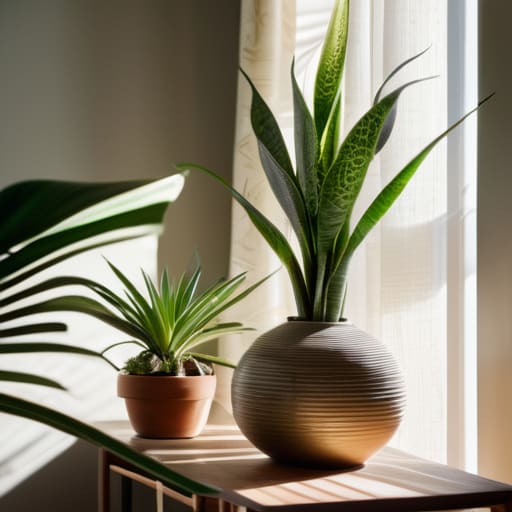
I’ve always found that we don’t need a sprawling greenhouse to find peace; sometimes, all it takes is a single, thoughtfully curated corner. I like to think of creating plant vignettes as building tiny, living altars for your soul. Instead of scattering pots randomly across every available surface, try grouping a few select beauties together on a side table or a windowsill. By varying plant heights and textures—perhaps pairing a trailing Pothos with a structural Snake Plant—you create a visual rhythm that draws the eye in and encourages you to slow down.
There’s also a beautiful, practical magic that happens when you group your greenery. When you focus on humidity and plant clusters, you’re not just decorating; you’re creating a microclimate that helps your leafy friends thrive. I remember back in my corporate days, I used to keep a small cluster of ferns on my desk just to have a “breathing zone.” Whenever my inbox felt overwhelming, I’d just look at those lush, green leaves and take one deep, intentional breath. It’s these little pockets of life that transform a house into a true sanctuary.
Small Rituals for a Living Sanctuary: 5 Ways to Curate Your Green Space
- Play with height to create visual rhythm. Instead of lining everything up on a single windowsill, try placing a tall Monstera on the floor to anchor the room, while a delicate trailing Pothos dances from a high bookshelf. This creates a sense of movement that mimics the natural layers of a forest.
- Group your plants by their “social needs.” Just like we thrive more when we’re around people who share our energy, plants love company! Grouping moisture-loving ferns together creates a little microclimate of humidity, making them all feel a bit more supported and lush.
- Use texture to soothe the senses. I always tell my clients that wellness isn’t just about what we do, but what we feel. Mix the broad, waxy leaves of a Rubber Tree with the soft, feathery fronds of a fern; that tactile contrast can actually help ground you during a stressful workday.
- Honor the light, but don’t forget the soul. While we need to be practical about sun exposure, try to place your most beautiful specimens where they can catch the “golden hour” light. Watching the sun filter through a translucent leaf can be a beautiful, five-minute mindfulness practice in itself.
- Leave room for the “breath” of the room. It’s tempting to fill every empty corner, but remember that white space is just as important as the greenery. Giving your plants—and your eyes—room to breathe prevents the space from feeling cluttered and helps you maintain that sense of calm you’re working so hard to build.
Bringing the Harmony Home: My Three Golden Rules
Think of your plants as living companions rather than just decor; when you place them with intention, you aren’t just decorating a room, you’re curating a space that breathes alongside you.
Don’t feel pressured to fill every corner—sometimes the most powerful way to invite peace into your home is to leave a little space for the light to hit an empty spot, creating a quiet pocket for reflection.
Remember that your indoor sanctuary is a work in progress, so give yourself the grace to move things around as your energy shifts and your relationship with your green friends evolves.
The Living Rhythm of Your Home
“Arranging your plants isn’t just about finding the perfect corner for a monstera; it’s about creating a living dialogue between your space and your soul, where every leaf serves as a gentle reminder to pause, breathe, and reconnect with the natural rhythm of life.”
Sophia Reynolds
Cultivating Your Living Sanctuary
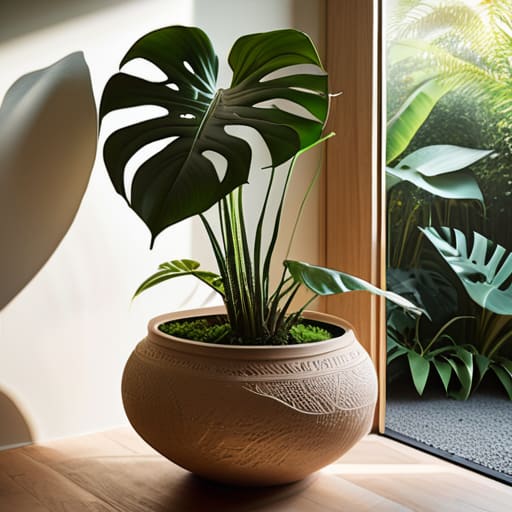
As we wrap up our journey of turning your living space into a verdant retreat, remember that arranging plants is so much more than just a decor choice; it is an act of intentional living. We’ve explored how to use greenery to define the flow of your rooms, how to design with purpose to enhance your well-being, and how to curate those tiny, quiet vignettes that invite us to pause. Whether you are clustering textures to create a lush corner or strategically placing a single leaf to catch the morning sun, you are essentially building an ecosystem of calm that supports both your productivity and your peace of mind.
At the end of the day, please don’t feel pressured to get it “perfect” right away. Your home is a living, breathing entity, and just like the plants themselves, your sanctuary will evolve as you do. There will be seasons where you crave a minimalist jungle and others where you need the soft, muted comfort of a single fern. Trust your intuition, listen to what your space is asking for, and remember that every new leaf is a tiny celebration of growth. Take a deep breath, enjoy the process, and let your home become the beautiful, breathing reflection of the balanced life you deserve.
Frequently Asked Questions
How do I balance my desire for a lush, jungle-like aesthetic with the practical need to keep my space feeling organized and uncluttered?
I completely hear you—the “urban jungle” dream can quickly turn into “visual noise” if we aren’t careful. I used to struggle with this in my tiny apartment! My trick is to embrace “verticality.” Instead of crowding every flat surface, use hanging planters or tiered shelving to draw the eye upward. This creates that lush, layered feeling while keeping your floor and desk clear. Think of it as curated growth, not chaotic sprawl.
I'm worried about the "death trap" scenario—how can I arrange my plants so they actually thrive in the specific light conditions of my home?
I completely hear you—that “plant guilt” is so real! I remember my first fiddle leaf fig; I thought I was doing everything right, but it just couldn’t find its footing. The secret isn’t just placement, it’s observation. Spend a Saturday morning just watching how the shadows move across your room. Once you map those light zones, match your greenery to their needs. Think of it as setting your plants up for a successful life, not just a pretty display.
Are there specific ways to group plants that can help improve the air quality or the overall "vibe" of a room dedicated to work or relaxation?
When it comes to your workspace, I love grouping “air-purifying powerhouses” like Snake Plants or Peace Lilies near your desk; they act like tiny, living lungs for your office. For your relaxation nook, try clustering soft, leafy textures like Ferns together. This creates a lush “micro-climate” that feels incredibly grounding. It’s not just about aesthetics; it’s about creating a sensory sanctuary that tells your nervous system, “It’s okay to breathe now.”