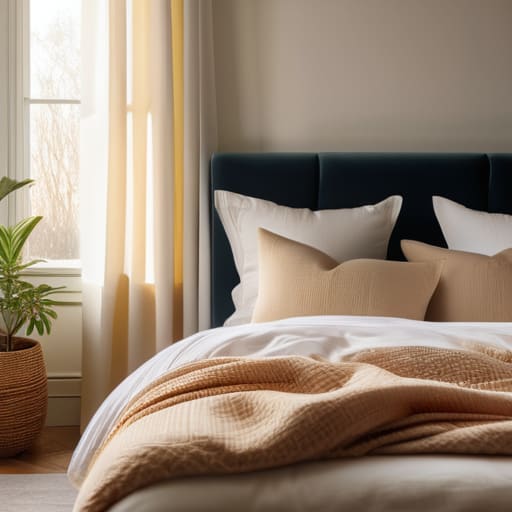
I still remember those frantic years in my old corporate job, coming home at 9:00 PM only to collapse into bed, only to find myself tossing and turning for hours because my sheets felt like sandpaper against my skin. It wasn’t just about comfort; it was a sensory nightmare that left me feeling completely unmoored the next morning. I spent way too much money on “luxury” sets that were nothing more than clever marketing, realizing too late that knowing how to choose bedding isn’t about following high-end trends or buying the most expensive thread count. It’s about understanding the science of sleep and how your tactile environment affects your nervous system.
I’m not here to sell you on a lifestyle brand or push overpriced linens that look good on Instagram but feel like plastic. Instead, I want to share the practical, evidence-based approach I’ve developed to help you create a true sanctuary. We are going to strip away the marketing fluff and focus on the essential elements—like breathability, fiber integrity, and temperature regulation—so you can finally invest in pieces that actually support your well-being.
Table of Contents
Finding Your Rhythm Best Fabric for Hot Sleepers
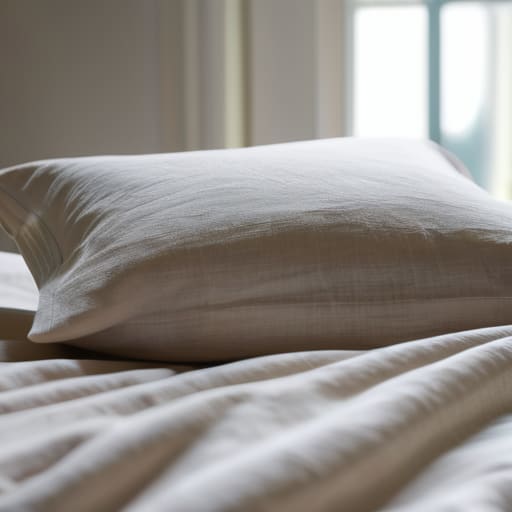
If you’ve ever spent your night tossing and turning, feeling like you’re trapped in a humid cocoon, please know you aren’t alone. I remember a season in my corporate life where my stress levels were peaking, and my body temperature seemed to skyrocket the moment my head hit the pillow. It’s a physiological feedback loop that can completely derail your rest. When we talk about the best fabric for hot sleepers, we aren’t just talking about comfort; we are talking about regulating your nervous system through temperature control.
When I’m helping clients navigate wellness, I often suggest looking at the breathability of their environment. For those who run warm, I find that choosing between luxury linen vs cotton is a game-changer. Linen is a powerhouse because its open weave allows for incredible airflow, acting almost like a natural radiator for your body. If you prefer something softer, a high-quality long-staple cotton can also work wonders. The goal is to find a material that works with your body’s natural rhythms rather than fighting against them, ensuring your sleep remains deep, restorative, and—most importantly—cool.
The Gentle Touch Sleep Quality and Bedding Texture
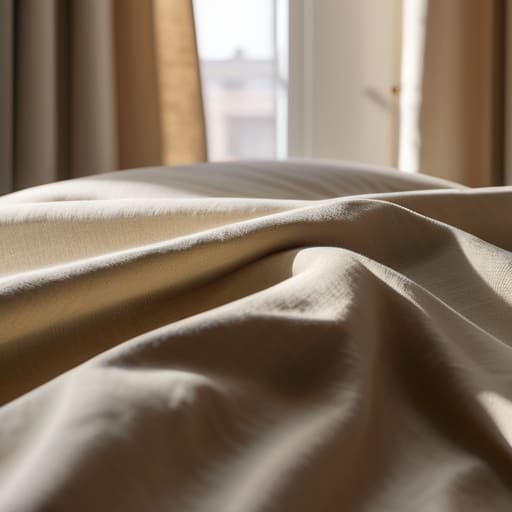
There’s something deeply restorative about the way a specific fabric feels against your skin at the end of a long, demanding day. I remember back when I was working those grueling hours in corporate consulting, I used to rush straight into bed, only to find myself tossing and turning because my sheets felt scratchy or suffocating. I didn’t realize then that sleep quality and bedding texture are intimately linked; our nervous systems are incredibly sensitive to tactile input. When your skin feels agitated by a coarse weave, your brain stays in a state of low-level alertness rather than drifting into that deep, restorative REM sleep we all crave.
Choosing the right texture is really an act of self-care. If you lean towards a crisp, hotel-like sensation, high-thread-count cotton is a classic, but if you crave something more organic and lived-in, exploring luxury linen vs cotton can be a total game-changer for your sensory experience. Linen offers a unique, slightly textured drape that feels incredibly grounding. Ultimately, finding that perfect tactile match is about more than just aesthetics—it’s about creating a sensory sanctuary that tells your body it is finally safe to let go.
Small Shifts for a Deeper Rest: My Top 5 Bedding Essentials
- Listen to your body’s temperature cues before you buy. If you find yourself kicking off the covers at 3 AM, skip the heavy synthetics and lean into breathable natural fibers like linen or bamboo to help your body regulate itself naturally.
- Don’t underestimate the power of thread count myths. Instead of chasing a massive number, focus on the quality of the weave; a high-quality, lower thread count cotton can often feel much more luxurious and breathable than a dense, heavy fabric that traps heat.
- Create a sensory ritual with your pillow choice. Your pillow is the foundation of your alignment, so choose one that supports your specific sleeping position—whether that’s a firm bolster for side sleepers or something cloud-like for those who prefer their back.
- Color psychology is a real tool in your wellness toolkit. I love using soft, muted earth tones or calming blues in my bedroom to signal to my nervous system that it’s time to transition from “go mode” to “rest mode.”
- Invest in longevity, not just trends. Think of your bedding as an investment in your mental health; choosing durable, high-quality materials means your sanctuary remains a consistent, reliable space for you to recharge night after night.
Small Shifts for a Deeper Rest
Listen to your body’s temperature cues; choosing breathable, natural fabrics like linen or bamboo isn’t just a luxury, it’s a way to honor your body’s need for thermal regulation during the night.
Prioritize tactile comfort by selecting textures that soothe your nervous system, turning your bed into a sensory sanctuary rather than just a place to sleep.
View your bedding as a vital tool for wellness rather than a mere household purchase, recognizing that the right environment is the foundation of a truly restorative sleep ritual.
Creating Your Personal Sanctuary
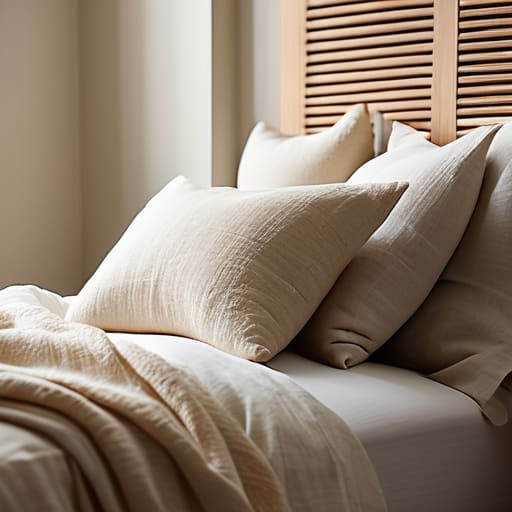
“Choosing your bedding isn’t just about picking a color or a thread count; it’s about curating a sensory sanctuary that signals to your nervous system that it is finally safe to let go, to breathe, and to truly rest.”
Sophia Reynolds
Creating Your Personal Sanctuary
As we wrap up this journey of discovery, I hope you feel more empowered to curate a sleep environment that truly honors your unique biology. Remember, choosing the right bedding isn’t just about aesthetics or following a trend; it’s about the intentional intersection of breathable fabrics for temperature regulation and the tactile comfort that signals your nervous system to finally unwind. Whether you found your match in the crisp coolness of linen or the soothing embrace of high-thread-count cotton, you are making a profound investment in your daily well-being. By paying attention to these sensory details, you are essentially building a bridge between the chaos of your workday and the restorative stillness your soul craves.
At the end of the day, your bed should be more than just a place to sleep—it should be a sacred space for reconnection. I often remind my clients that we cannot pour from an empty cup, and much of that “filling up” happens in the quiet, soft moments of the night. Treat your bedding selection as an act of self-care rather than a chore on a home improvement list. When you prioritize your rest, you aren’t just sleeping better; you are setting the stage to show up more fully, more vibrantly, and more authentically in the world tomorrow. Sleep well, breathe deeply, and enjoy your new sanctuary.
Frequently Asked Questions
How can I balance the luxury of high-thread-count sheets with the actual breathability of the fabric?
It’s such a common dilemma! We see those high thread counts and think “luxury,” but in my experience, more isn’t always better. A massive thread count can actually tighten the weave so much that air can’t circulate, leaving you feeling stifled. To get that silky, high-end feel without the heat, I always recommend looking at the fiber quality instead. Opt for long-staple cotton or linen; they offer that exquisite, expensive touch while letting your skin breathe beautifully.
Is it worth investing in a complete bedding overhaul, or should I start by just swapping out my pillowcases?
Honestly, I’ve been in those corporate trenches where everything feels like an “all or nothing” project, but sleep doesn’t have to work that way. If your budget is tight, start with the pillowcases. It’s a low-stakes way to test a new fabric against your skin. Think of it as a gentle experiment. If that small shift brings you peace, then you’ll know a full overhaul is truly worth the investment.
How do I choose bedding colors and patterns that actually help calm my mind after a stressful workday?
When I was working those high-stress corporate roles, I realized my bedroom was often too visually “loud.” To calm your mind, I suggest leaning into “biophilic” tones—think soft sages, muted terracottas, or dusty blues that mimic nature. Avoid high-contrast, busy patterns that keep your brain in “processing mode.” Instead, opt for subtle, organic textures or monochromatic palettes. Think of your bedding as a visual deep breath; it should signal to your nervous system that the workday is officially over.