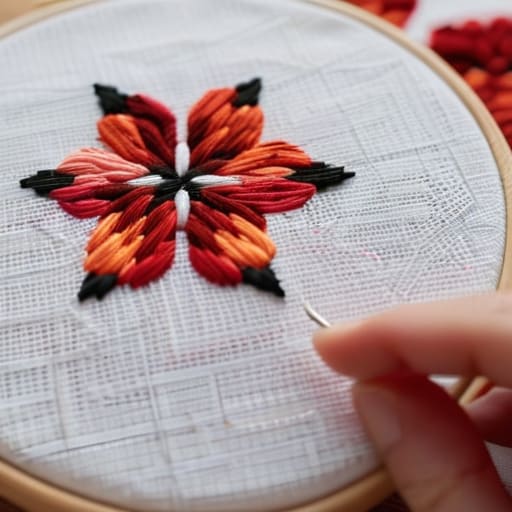
I remember sitting on my floor in a tiny, cramped apartment in San Francisco, staring at a tangled mess of embroidery floss and feeling a profound sense of failure. I had convinced myself that I lacked the “artistic soul” required for needlework, believing that if my tension wasn’t perfect on the first try, I simply wasn’t cut out for it. But here is the truth I learned through a lot of trial and error: learning how to do cross stitch isn’t about achieving immediate perfection; it’s about finding a rhythmic sanctuary in the repetitive motion of the needle. It’s less about the finished product and more about the quiet, meditative space you create between each tiny X.
In this guide, I’m stripping away the intimidating jargon and the “perfect” Pinterest expectations to give you a realistic, gentle roadmap. We are going to walk through everything from selecting your very first fabric to mastering that elusive even tension, all while keeping our stress levels low. My goal is to move past the technicalities and show you how to turn this craft into a mindful ritual that nourishes your soul. Let’s pick up our needles and find our flow, one stitch at a time.
Table of Contents
- Step-by-Step Instructions
- Preparing Your Sacred Space With a Proper Cross Stitch Hoop Setup
- The Gentle Art of Counting Stitches for Beginners
- Nurturing Your Craft: 5 Little Secrets for a More Soulful Stitching Experience
- Embracing the Rhythm of Your Craft
- The Rhythm of the Needle
- Finding Your Rhythm in Every Stitch
- Frequently Asked Questions
Guide Overview
Tools & Supplies
- Embroidery hoop to keep fabric taut
- Tapestry needle with a blunt tip
- Embroidery scissors for precise cutting
- Needle minder to prevent losing needles
- Aida cloth (1 piece of fabric)
- Embroidery floss (multiple colors)
- Pattern or chart (1 printed or digital copy)
Step-by-Step Instructions
- 1. First, let’s curate your little sanctuary of creativity. Before you even touch the fabric, gather your essentials: a piece of Aida cloth (which is lovely because its open weave is so forgiving), some embroidery floss, a sharp needle, and a sturdy hoop. I always find that setting the mood with a soft playlist or a cup of herbal tea makes the transition from a hectic workday into your creative practice so much more seamless.
- 2. Once you have your supplies, it’s time to prepare your canvas. Take your fabric and place it inside the embroidery hoop, pulling it just tight enough so it feels like a drum skin. You don’t want it so tight that it distorts the weave, but you want it taut enough to provide a stable foundation. As you tighten the screw, take a deep breath and feel that sense of intentionality settling in; you are literally creating the space for your art to exist.
- 3. Now, let’s talk about your thread. Most embroidery floss comes in six individual strands twisted together, but for a smoother, more manageable experience, I highly recommend separating the strands. For a standard cross stitch, using just two strands often creates a much cleaner, more elegant look. It’s a bit like life—sometimes we have to unravel the complexities to find the simple beauty underneath.
- 4. To begin your first stitch, thread your needle and pull the tail through to the back of the fabric so you don’t have a messy knot staring at you. Bring your needle up through a hole in the fabric to create a small upward stitch. Then, guide the needle back down through a hole diagonally opposite your starting point. This creates an “X” shape. I like to think of this as building your foundation, one intentional intersection at a time.
- 5. As you move through your pattern, remember to maintain a consistent direction. If your first “X” goes from bottom-left to top-right, try to keep that rhythmic flow throughout your piece. This consistency is what gives cross stitch its professional, polished finish. If you find your mind wandering back to your to-do list, gently bring your focus back to the tactile sensation of the needle passing through the cloth.
- 6. When you reach the end of a thread, don’t just knot it haphazardly. Instead, weave the end of the thread through the back of your existing stitches a few times to secure it. This “hidden knot” technique is a wonderful metaphor for integrating your experiences—making sure everything is tucked away neatly so you can move forward without any loose ends holding you back.
- 7. Finally, as you complete each section, take a moment to step back and truly look at what you’ve created. It’s so easy to get lost in the micro-details that we forget to celebrate the macro-progress. Whether you’ve finished a single flower or a whole landscape, honor that effort. This isn’t just about making a decoration; it’s about the peaceful journey you took to get there.
Preparing Your Sacred Space With a Proper Cross Stitch Hoop Setup
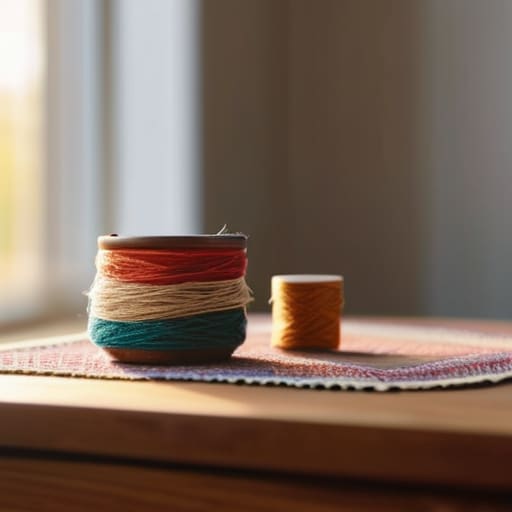
Before you even touch your needle to the fabric, I want you to think about your environment. I remember back when I was working those high-stress corporate roles in Cali, I used to rush through everything just to check it off a list. But with cross stitch, that frantic energy is your biggest enemy. Setting up your cross stitch hoop setup isn’t just about mechanics; it’s about creating a sanctuary. Make sure your lighting is soft but clear—nothing ruins a meditative flow faster than squinting at tiny threads—and ensure your hoop is tightened just enough to keep the fabric taut without distorting the weave.
Achieving the right tension in cross stitching is where the real magic happens. If your fabric is too loose, your stitches will wobble; if it’s too tight, you’ll feel that physical strain in your hands. I always recommend a quick “drum test”—tap your hoop lightly; it should sound steady and firm. Taking these few extra minutes to settle into your space allows you to transition from the chaos of the day into a state of intentional, rhythmic creation.
The Gentle Art of Counting Stitches for Beginners
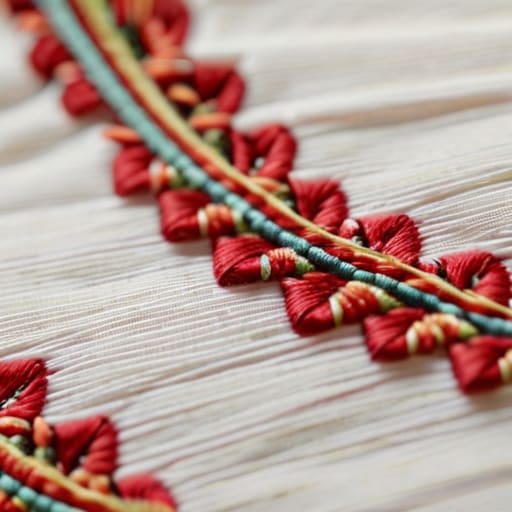
I remember my very first attempt at a project; I was so focused on the colors that I completely lost my place halfway through a flower petal. It was frustrating, but it taught me a vital lesson: cross stitch isn’t just about the finished image, it’s about the rhythm of the process. When you’re first learning the ropes, counting can feel a bit daunting, but I like to view it as a form of moving meditation. Instead of rushing to finish, try to find a steady cadence. Before you dive in, make sure you truly understand how to read a pattern so you aren’t guessing where your next stitch belongs.
To make this easier on your mind (and your eyes), I highly recommend breaking your pattern down into small, manageable sections. If you find yourself getting overwhelmed, take a deep breath and reset. One little trick I learned during my corporate days is to use a stitch marker or even a simple piece of paper to track your progress. Also, pay close attention to your tension in cross stitching; if you pull too tight while trying to be precise, you might distort your fabric. Keep it light, keep it steady, and let the counting become a natural part of your flow.
Nurturing Your Craft: 5 Little Secrets for a More Soulful Stitching Experience
- Listen to your hands; if you feel even the slightest tension in your shoulders or a tightness in your grip, please, put the needle down. I used to push through the discomfort during my corporate days, but I learned the hard way that true creativity flourishes only when your body feels at ease.
- Embrace the beauty of the “imperfect” stitch. In my studies of positive psychology, we talk a lot about letting go of perfectionism to find joy, and cross stitch is no different. A slightly wonky stitch isn’t a mistake; it’s a tiny, human fingerprint on your masterpiece.
- Curate your sensory environment to support your flow. I love pairing my stitching sessions with a specific scent—maybe some calming lavender—or a lo-fi playlist. It signals to your brain that it’s time to transition from the “doing” mode of work into the “being” mode of your hobby.
- Keep your thread organized to prevent mental clutter. There’s something so grounding about seeing your colors neatly arranged; it reduces that micro-stress of hunting for a specific shade and allows you to stay present in the rhythm of the needle.
- Remember the “one-breath rule” for complex patterns. When you hit a particularly tricky section of the design, take one deep, intentional breath before you start the next row. It resets your nervous system and helps you approach the challenge with patience rather than frustration.
Embracing the Rhythm of Your Craft
Remember that cross stitch isn’t a race to the finish line; it’s a meditative practice where the beauty lies in the slow, intentional movement of the needle.
Don’t let a single misplaced stitch derail your peace; view every correction as a gentle opportunity to reset your focus and return to the present moment.
Listen to your body as you work, honoring the need to pause and stretch so that your creativity can flow as freely as your breathing.
The Rhythm of the Needle
“Cross stitch is so much more than just following a pattern; it’s a rhythmic meditation where every single thread becomes a tiny, intentional act of presence, teaching us that even the smallest, most repetitive movements can weave together into something profoundly beautiful.”
Sophia Reynolds
Finding Your Rhythm in Every Stitch
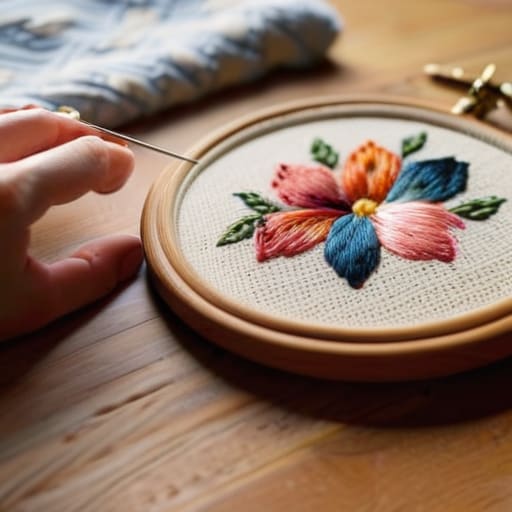
As we wrap up this journey, I want you to take a moment to look back at how far you’ve come. We’ve moved from the initial preparation of your sacred workspace to the intricate, meditative process of counting your stitches with intention. Remember, cross stitching isn’t just about the final pattern appearing on the fabric; it’s about the way you set your intention before you even pick up the needle and the way you cultivate a sense of presence through every single movement. By mastering your hoop setup and embracing the slow, rhythmic nature of the counting process, you aren’t just making art—you are practicing the art of being present.
If you find yourself feeling frustrated by a missed stitch or a tangled thread, please be gentle with yourself. I remember back when I first started my own mindfulness journey, I thought perfection was the only way to find peace, but I learned that the beauty lies in the imperfections. Let this craft be a sanctuary for you, a place where the world slows down and your only responsibility is to breathe and create. May your needle always find its way, and may you find that true fulfillment comes not from a flawless finished piece, but from the quiet joy found in the process itself.
Frequently Asked Questions
How do I know when I've accidentally pulled my thread too tight and might distort my beautiful fabric?
It’s such a common worry, but please, don’t be too hard on yourself! A good way to tell is by looking at the fabric’s grain; if you see the weave puckering or shifting toward your stitch, you’re likely pulling a bit too much tension. I always suggest laying your hoop flat on a table and gently running your finger over the area. If the fabric feels “tight” or resists your touch, take a breath, loosen up, and let the thread find its own natural rhythm.
Is it better to stick with one long strand of embroidery floss, or should I be splitting it up for a more delicate look?
That is such a wonderful question, and honestly, it’s where the true magic of texture begins! Think of your embroidery floss like a breath: sometimes we need a deep, full inhale, and sometimes a soft, gentle exhale. Using all six strands creates bold, impactful shapes, but splitting them down to one or two strands is how you achieve that dreamy, delicate detail. I personally love playing with both to find a rhythm that feels right.
What should I do if I realize I've miscounted a few stitches halfway through a pattern—is it a disaster, or can I gently fix it?
Oh, I’ve been there more times than I’d care to admit! Take a deep breath—it is absolutely not a disaster. In fact, I like to think of these moments as little tests of patience. If you catch it early, you can gently unpick those stitches with a seam ripper and start that section fresh. Don’t let perfectionism steal your joy; just see it as a chance to slow down and reconnect with your rhythm.