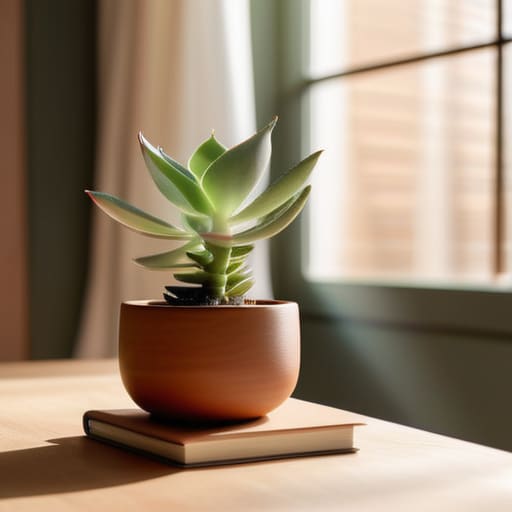
I still remember sitting at my old desk in a high-rise office in San Francisco, surrounded by the sterile hum of fluorescent lights and a mountain of tangled charging cables. My heart would race every time I sat down, not because of the workload, but because my environment felt like a constant sensory assault. I used to think that learning how to build a calming workspace meant I needed to spend a fortune on minimalist Scandinavian furniture or high-end aromatherapy diffusers just to feel a sense of peace. But after years of studying positive psychology, I realized that true tranquility isn’t something you buy; it’s something you intentionally cultivate through small, mindful shifts.
I’m not here to sell you a lifestyle aesthetic or a list of expensive gadgets you don’t need. Instead, I want to share the practical, evidence-based strategies I’ve gathered from my time in corporate wellness and my own journey toward balance. We are going to dive into how to build a calming workspace by focusing on what actually lowers your cortisol levels and helps you find your flow. This is about creating a sanctuary that honors your need to breathe, so you can show up as your most productive, fulfilled self.
Table of Contents
Biophilic Design for Productivity Inviting Nature in
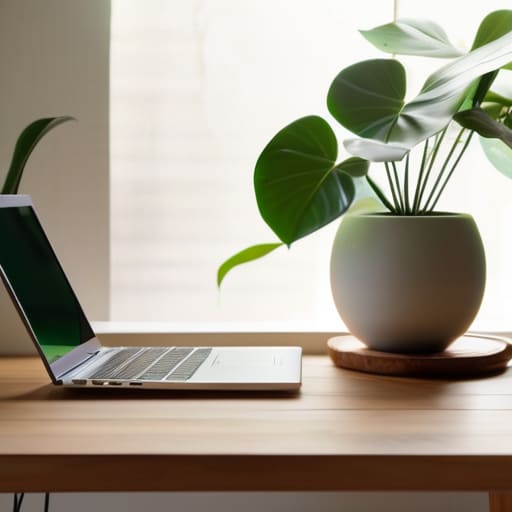
I remember sitting in my old corporate cubicle, staring at a beige wall for eight hours a day, feeling my energy just… evaporate. It wasn’t just the workload; it was the sterile, lifeless environment. That’s when I discovered the magic of biophilic design for productivity. It sounds like a fancy term, but it’s really just about honoring our primal connection to the natural world. Bringing elements of the outdoors inside—whether it’s a lush Monstera in the corner or even just a small bowl of smooth river stones—can act as a visual anchor, helping to lower your cortisol levels when things get hectic.
It isn’t just about aesthetics, though; it’s about how these elements influence our biology. For instance, if you’re struggling with focus, I always suggest looking into lighting for mental clarity. Natural, dappled light mimics the forest canopy and can help regulate your circadian rhythm, preventing that mid-afternoon slump we all dread. Even if you don’t have a window nearby, a high-quality lamp that mimics the warmth of the sun can make a world of difference. Nature isn’t just a luxury; it’s a necessity for a steady mind.
Lighting for Mental Clarity Finding Your Inner Glow
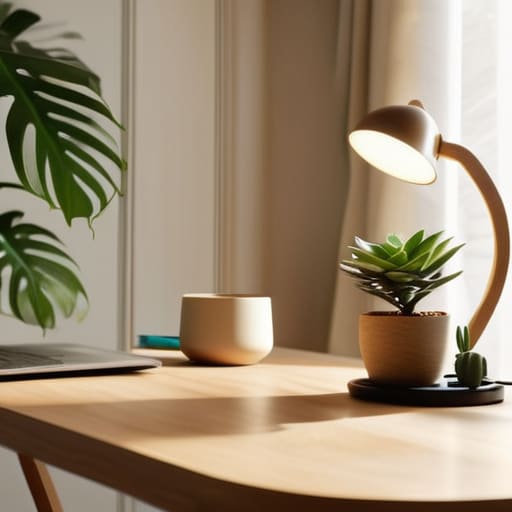
I remember sitting in my old corporate cubicle, squinting under those harsh, flickering fluorescent lights that always seemed to trigger a headache by 2:00 PM. It’s no wonder we feel drained; the wrong environment can actually hijack our nervous system. When we talk about lighting for mental clarity, it isn’t just about being able to see your keyboard—it’s about how light influences our circadian rhythms and our ability to stay present.
To truly transform your space, I suggest prioritizing natural light whenever possible. If you can position your desk near a window, do it! The shifting patterns of daylight help ground us in the natural flow of the day. However, for those of us working through the evening, I’m a huge advocate for layering your light. Instead of one aggressive overhead source, try using a warm-toned desk lamp or even some soft fairy lights. Integrating a bit of color psychology for home offices by choosing warmer, amber hues can signal to your brain that it’s time to settle into a state of “flow” rather than constant high-alert stress. It’s those small, intentional shifts that turn a mere desk into a true sanctuary.
Small Shifts, Big Soul: 5 Ways to Ground Your Workspace
- Curate Your Visual Calm: We often fall into the trap of “clutter blindness,” where our brains start to treat a messy desk as background noise, but our nervous systems are still processing that chaos. I love the “one-in, one-out” rule—if you bring a new notebook to your desk, let an old, distracting stack of papers find its way to the recycling bin. A clear surface isn’t just about tidiness; it’s about giving your mind permission to settle.
- The Scent of Serenity: This is one of those little wellness secrets I swear by. Our sense of smell is hardwired directly into the limbic system, which governs our emotions. I always keep a small bottle of lavender or sandalwood essential oil nearby. A quick, mindful inhale before you dive into a deep work session can act as a sensory “anchor,” signaling to your brain that it’s time to transition from chaos to focus.
- Tactile Comfort and Texture: Think about how you feel when you wrap yourself in a soft blanket after a long day. We can bring that same sense of psychological safety to our desks. Incorporating textures—like a smooth stone paperweight, a woven desk mat, or even a soft linen cushion—can provide subtle sensory grounding that keeps you from feeling “floaty” or overwhelmed during high-stress tasks.
- Soundscapes for the Soul: Silence isn’t always golden, and sometimes a dead-quiet room can actually increase our anxiety. I’ve found that “pink noise” or the gentle hum of a coffee shop can create a protective cocoon around our focus. Whether it’s a lo-fi playlist or the sound of rainfall, using sound to mask unpredictable office or household noises helps maintain that precious state of flow.
- Honor Your Physical Boundaries: Your workspace shouldn’t just be a place where you work; it should be a place that respects your body. I’m a huge advocate for the “micro-movement” break. Every hour, I take sixty seconds to simply roll my shoulders or stretch my neck. It’s a way of telling your body, “I see you, and I care about your comfort,” which prevents that end-of-day burnout that so many of us struggle with.
Small Shifts for a Soulful Workspace
Remember that your environment is an extension of your internal state; by bringing in elements of nature and soft light, you aren’t just decorating, you’re actively nurturing your nervous system.
Productivity shouldn’t come at the cost of your peace—focus on creating a sanctuary that invites deep work rather than a high-pressure zone that triggers burnout.
Start small and listen to your intuition; even a single well-placed plant or a shift in how your desk faces the sun can fundamentally change how you breathe and think throughout the day.
The Heart of Your Workspace
“Your desk shouldn’t just be a place where you check off tasks; it should be a sanctuary that holds space for your peace, reminding you with every breath that you are more than just your productivity.”
Sophia Reynolds
Creating Your Sanctuary
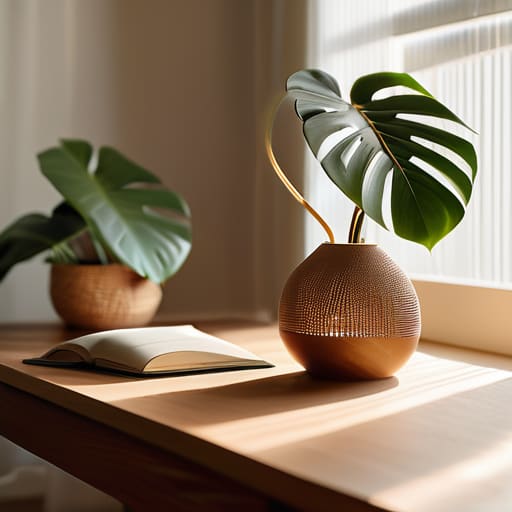
As we wrap up our journey of transforming your workspace, I want you to take a deep breath and look around. We’ve explored how bringing a little bit of the outdoors in through biophilic design can ground us, and how the right light can act as a gentle nudge for our mental clarity. Remember, building a calming environment isn’t about achieving some impossible, Pinterest-perfect aesthetic; it’s about intentionally curating a space that respects your nervous system. Whether it’s the soft glow of a lamp or the presence of a leafy monstera, every small change you make is a signal to your brain that it is safe to focus and flourish.
At the end of the day, your desk shouldn’t just be a place where you grind through tasks—it should be a sanctuary that honors your need to breathe. I remember when I was navigating that high-pressure corporate world in California, I used to think my workspace was just a station for output. But once I started treating my surroundings as an extension of my well-being, everything shifted. Please remember that you deserve a space that supports your soul as much as your career. Go ahead, make one small change today, and trust the process of creating a life that feels as good on the inside as it looks on the outside.
Frequently Asked Questions
I have a tiny home office with almost no natural light; how can I still make it feel calming without it feeling claustrophobic?
I hear you, and honestly, I’ve been there—stuck in a tiny, dim corner feeling like the walls were closing in. When natural light isn’t an option, we have to get creative with “artificial sunshine.” I love using warm-toned LED lamps or even a salt lamp to mimic that soft, golden hour glow. Also, try adding a large mirror opposite your desk; it bounces light around and creates an illusion of depth, making your little sanctuary feel much more expansive.
Are there specific scents or essential oils that actually help with focus, or is that just a wellness trend?
It is definitely not just a trend! I remember during my corporate consulting days, I’d see so many people reaching for peppermint just to survive a 3 PM slump. Science backs this up—scents like rosemary and lemon are incredible for cognitive stimulation and alertness. I personally love diffusing a bit of eucalyptus when I need to clear the mental fog. It’s like a deep breath for your brain, helping you anchor back into your focus.
How do I keep my workspace from becoming cluttered with all those "calming" items like plants and crystals?
Oh, I hear you! I’ve definitely been there—one minute you’re creating a sanctuary, and the next, your desk looks like a botanical garden exploded. It’s a fine line between “zen” and “distracting.” My rule of thumb? Curate, don’t accumulate. Think of your space like a breathing organism; it needs room to expand. Choose one statement plant and two meaningful crystals. If an item doesn’t actively ground you, it’s just visual noise. Keep it intentional.