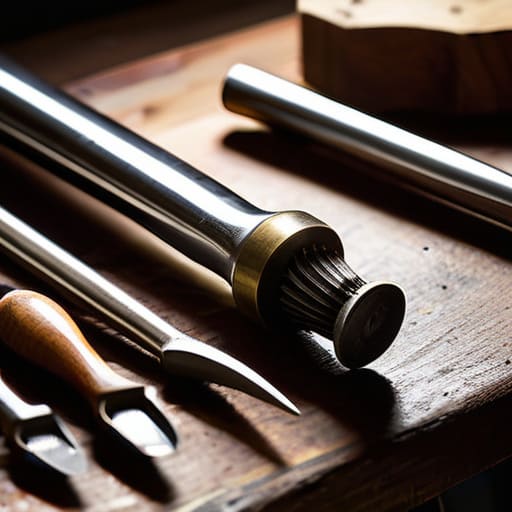
I still remember sitting on my floor in that cramped San Francisco apartment, surrounded by a chaotic heap of tangled cords and rusted gardening shears that had seen better days. I was trying to reclaim my sense of calm through a weekend DIY project, but instead, I felt nothing but mounting frustration as my equipment failed me at every turn. It was a messy, loud, and incredibly discouraging moment that taught me a vital lesson: learning how to keep tools maintained isn’t just a chore for the organized; it’s a fundamental act of self-respect for your creative process.
I’m not here to sell you on expensive, high-tech gadgetry or complex organizational systems that take more time than they save. Instead, I want to share the grounded, practical rhythms I’ve gathered from years of balancing a high-pressure career with a deep love for tactile work. I promise to give you a straightforward, no-nonsense guide on how to keep tools maintained so they serve you, rather than the other way around. We’re going to transform your maintenance routine from a source of stress into a mindful ritual that sustains your productivity and your peace of mind.
Table of Contents
- Honoring Hand Tool Longevity Through Gentle Daily Rhythms
- Protecting Metal Surfaces to Sustain Your Creative Flow
- The Mindful Maintenance Checklist: Small Acts of Care for Lasting Impact
- Small Acts of Care, Big Returns in Flow
- The Connection Between Care and Creativity
- The Lasting Resonance of Care
- Frequently Asked Questions
Honoring Hand Tool Longevity Through Gentle Daily Rhythms
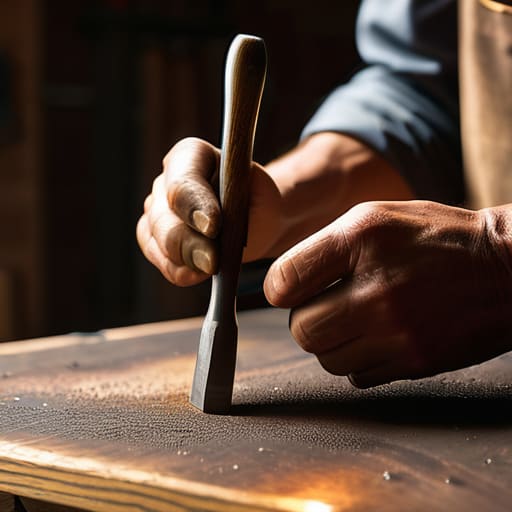
I’ve always found that the way we treat our physical objects often mirrors how we treat our own mental well-being. Just as we wouldn’t expect ourselves to run on empty without rest, our tools require a gentle cadence of care to stay resilient. I like to think of it not as a chore, but as a way of grounding myself at the end of a project. Instead of tossing everything into a cluttered bin, try spending just five minutes at the end of your session performing a quick sweep. This simple ritual of protecting metal surfaces with a light cloth can make a world of difference, turning a chaotic cleanup into a moment of meditative transition.
When we integrate these small, intentional acts into our routine, we aren’t just working; we are practicing stewardship. For instance, a tiny bit of oil applied to a hinge or a blade is a powerful way of preventing tool rust before it even has a chance to take hold. It’s about building a sustainable relationship with your craft. By focusing on these small, rhythmic habits, you ensure that your equipment remains a reliable partner in your creative journey, rather than a source of frustration.
Protecting Metal Surfaces to Sustain Your Creative Flow
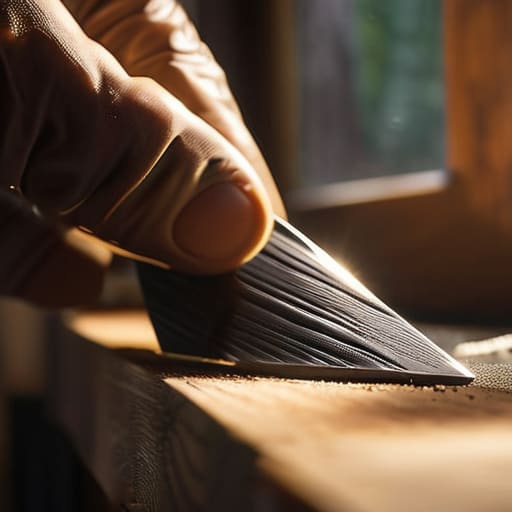
If there is one thing I learned during my years as a corporate consultant, it’s that even the most robust systems fail if we ignore the small, corrosive details. The same applies to your workspace. There is nothing quite as disheartening as reaching for a favorite chisel or a reliable wrench, only to find a layer of oxidation dulling its edge. Protecting metal surfaces isn’t just a chore; it’s about safeguarding the integrity of your creative process. I’ve found that a simple, thin coat of mineral oil or a specialized wax can act as a protective barrier, effectively preventing tool rust before it ever has a chance to take hold.
Think of this as a form of mindfulness for your gear. When we take a moment to wipe down our steel, we aren’t just performing maintenance; we are checking in with our tools. This small act of care ensures that when inspiration finally strikes, your equipment responds with precision rather than resistance. By integrating these tiny moments of stewardship into your routine, you aren’t just fighting decay—you are investing in the longevity of your craft, ensuring that your tools remain as ready and resilient as you are.
The Mindful Maintenance Checklist: Small Acts of Care for Lasting Impact
- Create a “Closing Ceremony” for your workspace. Just as I use a nightly meditation to transition out of my workday, taking five minutes at the end of a project to wipe down your surfaces and return tools to their rightful homes prevents the mental clutter of a disorganized space.
- Listen to the “language” of your equipment. In my psychology studies, we talk about tuning into subtle cues; the same applies here. A strange vibration in a drill or a slight dullness in a blade is your tool’s way of asking for attention before a minor issue becomes a major breakdown.
- Invest in high-quality storage that breathes. Storing tools in cramped, damp environments is like trying to find peace in a chaotic room. Using breathable organizers or dedicated tool rolls ensures they aren’t just “put away,” but are being preserved in a healthy environment.
- Schedule “Wellness Checks” for your gear. We wouldn’t dream of neglecting our own physical health, so don’t neglect your tools. Once a month, set aside time to check for loose screws, frayed cords, or worn grips—think of it as a preventative health checkup for your creative life.
- Respect the edge with intentional sharpening. A dull tool requires more force, which leads to tension and mistakes. Keeping your blades sharp is an act of grace; it allows the work to flow effortlessly, much like how a clear mind allows for a more fluid thought process.
Small Acts of Care, Big Returns in Flow
View tool maintenance not as a chore on your to-do list, but as a mindful ritual that prepares your mental space for deep, creative work.
Consistent, gentle upkeep—like a quick wipe-down or a light oiling—prevents the friction of broken tools from interrupting your natural momentum.
By honoring the instruments that support your craft, you cultivate a sustainable rhythm that balances professional productivity with personal peace.
The Connection Between Care and Creativity
“When we take the time to clean and care for our tools, we aren’t just performing maintenance; we are practicing a form of mindfulness that honors our craft and ensures that when inspiration finally calls, we are truly ready to answer.”
Sophia Reynolds
The Lasting Resonance of Care
As we wrap up our journey through the nuances of tool maintenance, I hope you see that these aren’t just chores on a checklist. Whether it was establishing those gentle daily rhythms to honor your hand tools or implementing the small, protective measures to keep your metal surfaces from succumbing to rust, every action serves a purpose. By integrating these habits, you aren’t just preventing wear and tear; you are cultivating a sense of stewardship over the objects that bridge the gap between your imagination and reality. When we take the time to clean, oil, and store our gear with intention, we ensure that our creative momentum remains uninterrupted by the frustration of faulty equipment.
Ultimately, I want you to remember that how we treat our tools is often a reflection of how we treat ourselves. Just as we need rest, hydration, and a moment of mindfulness to function at our peak, our instruments require that same level of respect to serve us well. Let this practice of maintenance become a form of meditative grounding—a quiet moment at the end of a busy day to reset and prepare for what’s next. When you treat your tools with reverence, you are essentially honoring your own craft and the beautiful, purposeful life you are building, one intentional moment at a time.
Frequently Asked Questions
How can I tell the difference between normal wear and tear and a tool that actually needs professional repair?
It’s a fine line, isn’t it? I like to think of it like listening to your own body. Normal wear is like a little muscle soreness after a good yoga session—it’s a sign of use and life. But if a tool starts behaving erratically—think strange vibrations, unusual grinding noises, or a sudden loss of precision—that’s your body’s way of signaling an injury. When it feels “off” in your hands, trust that intuition and seek professional help.
Are there specific natural or eco-friendly alternatives to chemical cleaners that won't damage my tools over time?
I absolutely love that you’re thinking this way! It’s so much more aligned with a mindful lifestyle. I often find that harsh chemicals can be a bit too aggressive for the delicate surfaces we work with. Instead, try reaching for simple, gentle staples like white vinegar diluted with water for light cleaning, or even a light coating of food-grade mineral oil to prevent rust. It’s a beautiful way to care for your tools while staying kind to the earth.
How do I create a realistic maintenance routine if I only have a few minutes of free time at the end of a busy workday?
I completely hear you—when the workday feels like a marathon, the last thing you want is another daunting chore. Think of it less as “maintenance” and more as a five-minute transition ritual. Just wipe down your most-used tools with a soft cloth and tuck them away safely. It’s a small, mindful way to close one chapter and prepare for the next, ensuring your workspace stays a sanctuary rather than a source of stress.