
Have you ever sat at your kitchen table, surrounded by beautiful finished pieces, only to feel a sudden, sinking sense of dread when you actually try to calculate a price tag? It’s that quiet, nagging voice in your head asking if you’re being “too greedy” or if you’re just plain delusional for wanting to make a living from your passion. I remember sitting in my tiny apartment back in Oregon, staring at a stack of hand-poured candles, feeling completely paralyzed by the question of how to price handmade items without feeling like a fraud. We’ve been told that if we love what we do, the money shouldn’t matter, but let me tell you—that is a lie that leads straight to burnout.
I’m not here to give you some cold, clinical spreadsheet formula that ignores the soul you pour into your work. Instead, I want to help you find a way to value your time, your talent, and your peace of mind. We are going to strip away the guilt and look at the real-world math of sustainable creativity. My promise to you is a straightforward, gentle, and evidence-based approach to pricing that ensures your business nourishes your life rather than draining it.
Table of Contents
- Honoring Your Time Setting a Fair Labor Rate for Artisans
- The Hidden Weight Accounting for Overhead Costs for Small Business
- Finding Your Flow: 5 Heart-Centered Tips for Pricing with Confidence
- Finding Your Flow: Three Pillars for Sustainable Pricing
- Pricing as an Act of Self-Care
- Pricing with Peace and Purpose
- Frequently Asked Questions
Honoring Your Time Setting a Fair Labor Rate for Artisans
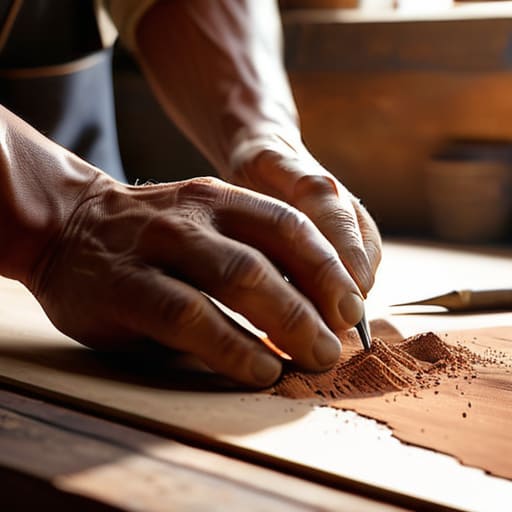
I remember back when I was consulting for a boutique design firm, I saw so many talented creators burning out because they were treating their own talent as a “freebie.” We often fall into the trap of thinking that if we aren’t charging for our time, we’re being more accessible, but in reality, we’re just eroding our own well-being. When you sit down to determine your labor rate for artisans, I want you to breathe through that initial wave of guilt. You aren’t just charging for the minutes spent sewing or sculpting; you are charging for the years of practice, the mistakes you’ve learned from, and the specialized skill that makes your work unique.
Think of your time as your most precious non-renewable resource. If you don’t factor a consistent hourly wage into your base cost, you aren’t running a sustainable business—you’re running an expensive hobby. A common mistake is to overlook the mental energy required for the creative process. To avoid this, try setting a baseline wage that allows you to feel respected and compensated, then build your profit margin calculation for crafters on top of that foundation. This ensures that as your business grows, you aren’t just working harder, you’re actually building a life of true abundance.
The Hidden Weight Accounting for Overhead Costs for Small Business
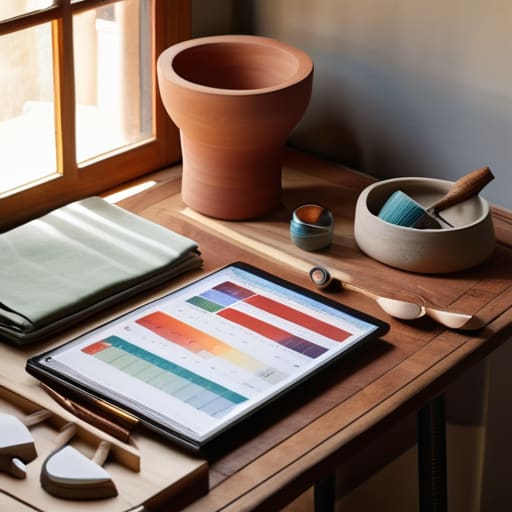
It’s so easy to get caught up in the magic of the creative process—the tactile joy of picking up new materials or the thrill of a finished piece—that we often forget the quiet, invisible expenses that keep our studios running. I remember when I first started my own wellness consulting side-hustle, I was so focused on my hourly rate that I completely overlooked the cost of my software subscriptions and even the electricity used for my workspace. We have to remember that overhead costs for small business aren’t just “extra” expenses; they are the very foundation that allows your creativity to exist safely.
Think of your overhead as the heartbeat of your business—it’s constant, even when you aren’t actively making a sale. Whether it’s the shipping supplies tucked in your corner, the website hosting fees, or even a portion of your internet bill, these small leaks can quickly drain your energy and your bank account. To avoid burnout, you need to weave these costs into your profit margin calculation for crafters so that every single item you sell contributes to your long-term stability, not just your immediate survival.
Finding Your Flow: 5 Heart-Centered Tips for Pricing with Confidence
- Don’t fear the “Profit Margin” – think of it as your breathing room. That extra percentage isn’t just greed; it’s the oxygen your business needs to grow, allowing you to reinvest in better tools or even a much-needed weekend retreat to recharge your creative spirit.
- Embrace the “Value-Based” mindset. While math is essential, remember that people aren’t just buying an object; they are buying your unique vision and the energy you poured into it. Sometimes, the emotional connection a piece creates is worth far more than the sum of its parts.
- Watch out for “Discount Fatigue.” It’s so tempting to slash prices when things feel slow, but constantly discounting can erode your sense of self-worth and your brand’s integrity. Instead, try offering value through small, thoughtful additions that don’t devalue your core craft.
- Keep a “Cost Consciousness” ritual. I used to find that my expenses would creep up without me noticing—a new ribbon here, a fancier packaging box there. Set aside a quiet moment once a month to sit with your numbers, ensuring your pricing still honors the reality of your rising costs.
- Listen to the market’s whispers, but trust your intuition. It’s helpful to see what others in your niche are doing, but don’t let a race to the bottom dictate your worth. If your price feels “right” in your gut and covers your needs, hold steady in that truth.
Finding Your Flow: Three Pillars for Sustainable Pricing
View your labor as a sacred investment rather than a cost; when you pay yourself a fair wage, you aren’t just covering time, you’re honoring the energy and expertise that make your work unique.
Never let the “small stuff” slip through the cracks by remembering that every candle, every thread, and every drop of glue is a part of your overhead that deserves to be accounted for.
Aim for a pricing strategy that breathes; choose a margin that allows your business to grow and sustain itself, ensuring you can continue creating from a place of abundance rather than burnout.
Pricing as an Act of Self-Care
“When we underprice our creations, we aren’t just losing profit; we are slowly draining the very energy and passion that fuels our purpose. Pricing your work with intention is how you honor the sacred rhythm of your craft and ensure your creative spirit has the room to truly breathe and flourish.”
Sophia Reynolds
Pricing with Peace and Purpose

As we wrap up this deep dive, I want you to take a moment to breathe and realize that pricing isn’t just about math; it’s about respect. We’ve looked at how crucial it is to honor your labor as a skilled professional and how vital it is to account for those quiet, often overlooked overhead costs that keep your studio running. When you combine a fair wage with a realistic understanding of your expenses, you aren’t just setting a price tag—you are building a sustainable foundation for your passion. Remember, if your pricing doesn’t allow you to rest, recover, and reinvest in your craft, then it isn’t truly serving your business or your well-being.
I know that staring at a spreadsheet can feel incredibly heavy, especially when you’re pouring your heart into every single creation. But please, hear me when I say this: valuing your work is an act of self-care. When you price with intention, you give yourself permission to thrive rather than just survive. You deserve to create from a place of abundance, not exhaustion. So, step away from the screen for a minute, grab a cup of tea, and approach your pricing with the same gentle confidence you bring to your artistry. You’ve got this, and your worth is absolutely non-negotiable.
Frequently Asked Questions
How do I find the sweet spot between staying competitive and not underselling my unique artistic vision?
Finding that sweet spot feels a lot like finding your center in a yoga flow—it’s all about balance. I often tell my clients that competition is a noisy distraction, but your value is quiet and deeply personal. Instead of matching a mass-produced price, focus on the “why” behind your work. When you price based on the soul and story you pour into each piece, you aren’t just selling a product; you’re inviting people into your world.
Should I adjust my pricing for seasonal rushes or special collections, or keep everything consistent?
It’s such a tempting question, isn’t it? When the holiday rush hits, it feels natural to bump prices up, but I’ve found that consistency is actually your best friend for building trust. Instead of fluctuating prices, I recommend creating “Special Collection” pricing. This allows you to honor the extra complexity or premium materials of a seasonal line without making your everyday customers feel like the goalposts are constantly moving. Aim for steady value, not seasonal volatility.
What’s the best way to communicate my value to customers so they understand why handmade isn't just another commodity?
Stop thinking of yourself as a vendor and start seeing yourself as a storyteller. Instead of just listing features, share the “why” behind the “what.” When you talk about the hours spent perfecting a stitch or the sourcing of a specific organic linen, you aren’t just justifying a price—you’re inviting them into your process. People don’t just buy products; they buy the intention and the soul you pour into them. Share that magic.