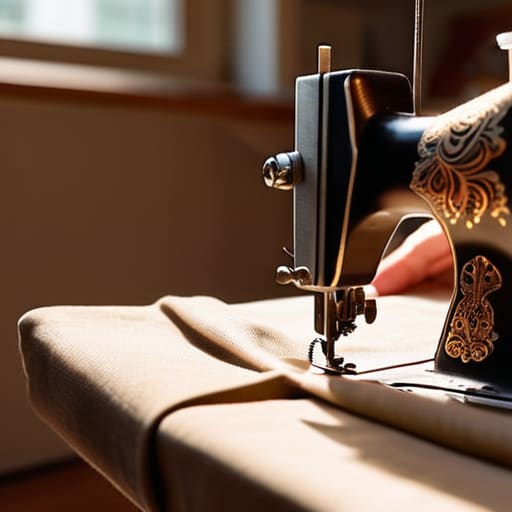
I still remember those late nights in my old apartment, hunched over a vintage Singer, my neck feeling like it was made of rusted iron and my lower back screaming for mercy. I was so caught up in finishing a quilt that I completely ignored the quiet signals my body was sending me, thinking that physical discomfort was just the “price of admission” for being a maker. But here’s the truth I learned the hard way: there is no prize for suffering through a project, and struggling to figure out how to sit comfortably while sewing shouldn’t be part of your creative process.
I’m not here to sell you a thousand-dollar ergonomic throne or a complicated setup that requires a degree in engineering. Instead, I want to share some grounded, science-backed, and deeply personal ways to honor your body while you create. We’re going to look at simple, intentional adjustments to your space and your posture that allow you to lose yourself in your stitches without losing your physical well-being. Let’s reclaim your joy and make sure your sewing time feels like a sanctuary, not a chore.
Table of Contents
- Honoring Your Spine Correct Sewing Posture for Beginners
- Finding Flow Through a Mindful Sewing Workstation Layout
- Small Shifts for Big Comfort: My Top 5 Rituals for a Pain-Free Stitch
- Embracing the Rhythm of Rest and Movement
- The Rhythm of Rest
- Creating a Sustainable Rhythm of Creation
- Frequently Asked Questions
Honoring Your Spine Correct Sewing Posture for Beginners
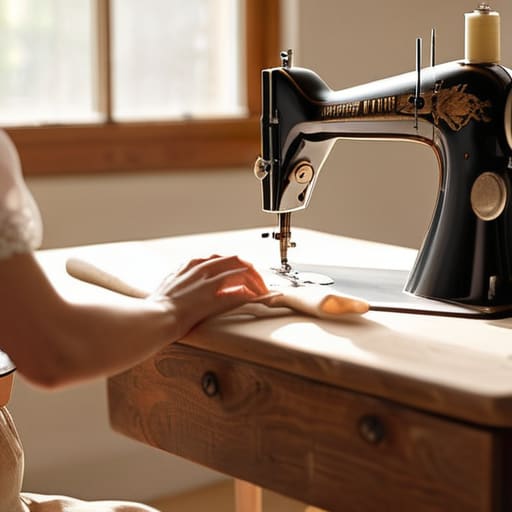
I remember one of my first major projects—a vintage-style linen dress—where I became so lost in the rhythm of the machine that I didn’t realize I’d been hunched over for three hours straight. By the time I stood up, my lower back felt like it had been through a marathon. It was a painful lesson in why mastering correct sewing posture for beginners is so much more than just a “good idea”; it’s about longevity in your craft. To avoid that dreaded ache, try to imagine a gentle string pulling the crown of your head toward the ceiling, keeping your spine long rather than curved like a question mark.
Your setup plays a massive role in this, too. It isn’t just about the chair, but rather your entire sewing workstation layout. Aim to position your machine so that your elbows can rest naturally at your sides, preventing that tension from creeping into your shoulders. When we focus on preventing back pain while sewing through intentional alignment, we aren’t just protecting our bodies—we’re actually freeing up our mental energy to focus on the beautiful details of our work.
Finding Flow Through a Mindful Sewing Workstation Layout
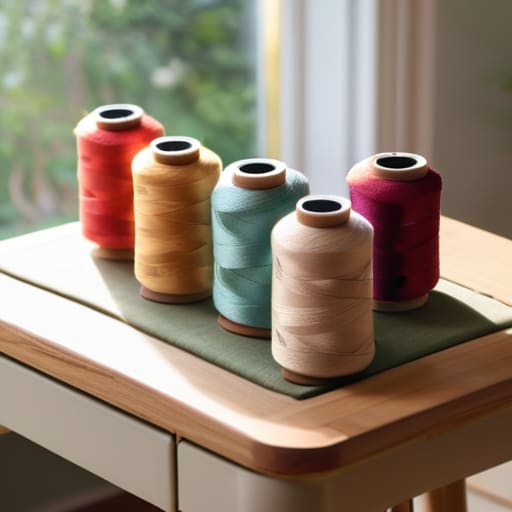
I remember back when I was working those high-stress corporate consulting gigs, my desk was a chaotic mountain of papers and half-empty coffee mugs. I quickly learned that external clutter often mirrors internal chaos, and the same is true for our creative spaces. When it comes to your sewing workstation layout, I want you to think of it as more than just a place to work; it’s a sanctuary. If your fabric scraps, thread organizers, and lighting are scattered haphazardly, you’ll find yourself constantly leaning, stretching, and twisting just to reach what you need. This subtle, repetitive reaching is a silent culprit when it comes to preventing back pain while sewing.
Try to arrange your most-used tools within a comfortable “strike zone”—that sweet spot where your arms can move freely without straining your shoulders. I’ve found that a thoughtful ergonomic sewing room setup actually helps me enter a state of “flow” much faster. When everything has a gentle, intuitive home, my mind can stop scanning for lost shears and start focusing on the rhythm of the needle. It’s about creating a space that supports your focus rather than competing for it.
Small Shifts for Big Comfort: My Top 5 Rituals for a Pain-Free Stitch
- Listen to your feet—I used to think I could just dangle them, but I quickly learned that keeping both feet flat on the floor (or on a sturdy footrest) creates a grounded foundation that takes the pressure off your lower back.
- The “Micro-Break” Magic: Instead of waiting until you’re in pain to move, set a gentle timer for every thirty minutes to simply stand up, reach for the ceiling, and let your muscles reset.
- Soften your gaze: We often get so lost in the intricate details of a seam that we forget to blink, so try to periodically look away from your fabric and focus on something in the distance to ease that eye strain.
- Embrace the cushion: Don’t underestimate the power of a high-quality ergonomic seat cushion; adding a little extra support to your chair can be the difference between a marathon sewing session and a session that leaves you feeling depleted.
- Check your shoulder tension: Every so often, take a deep breath and consciously drop your shoulders away from your ears—it’s amazing how much tension we carry there without even realizing it.
Embracing the Rhythm of Rest and Movement
Listen to your body’s subtle whispers before they turn into shouts; taking micro-breaks every thirty minutes to stretch isn’t “wasting time,” it’s actually an investment in your creative longevity.
Remember that comfort is a moving target, so don’t be afraid to swap your chair or adjust your footrest as your energy shifts throughout the day.
Treat your sewing space as a sanctuary for your nervous system by incorporating soft lighting and mindful breathing, ensuring that your physical posture is supported by a calm mental state.
The Rhythm of Rest
“Think of your sewing chair not just as a seat, but as a sanctuary for your focus; when we listen to the subtle cues our bodies send us and adjust our posture with intention, we transform a simple task into a meditative practice that nourishes both our creativity and our well-being.”
Sophia Reynolds
Creating a Sustainable Rhythm of Creation
As we wrap up this exploration, I want you to remember that comfort isn’t just a luxury—it is the foundation of your creativity. By prioritizing a supportive posture that honors your spine and intentionally organizing your workstation to minimize unnecessary strain, you are doing more than just preventing aches. You are setting the stage for a deeper, more immersive experience with your craft. Remember, it’s about finding that sweet spot where your physical environment supports your mental focus, allowing you to move from mere task-completion into a state of true, effortless flow.
Ultimately, sewing is a beautiful dialogue between your hands and your heart, and that dialogue flourishes best when you are feeling your absolute best. Don’t be afraid to listen to those subtle cues your body sends you; a quick stretch or a mindful breath can be the difference between a session of joy and a session of exhaustion. As you head back to your sewing machine, I encourage you to view your setup not just as a place of work, but as a sacred space for self-care. Treat your body with the same kindness and patience you pour into every single stitch, and watch how your passion for creating truly begins to bloom.
Frequently Asked Questions
I feel like I'm constantly fidgeting; how do I know if my chair is actually supporting me or if I just need to move more often?
That fidgeting is actually your body’s way of communicating—it’s a little nudge from your nervous system. Sometimes, it’s a sign that your chair isn’t providing the lumbar support your spine craves, but more often, it’s just “movement hunger.” Even the most ergonomic setup can’t replace the need for circulation. Try this: if you adjust your seat and still feel restless, your body is likely asking for a mindful stretch break rather than a better chair.
Are there specific stretches I can do right at my sewing machine to release tension in my neck and shoulders without breaking my creative flow?
I completely hear you—that “sewing hunch” is so real! To keep your momentum without losing your focus, try some gentle seated neck tilts: slowly drop your ear toward your shoulder, holding for three deep breaths. Then, interlace your fingers behind your head and gently open your elbows wide to counteract that forward slouch. It’s like a mini-reset for your nervous system, letting you return to your stitches feeling refreshed rather than rigid.
How much does my lighting setup actually impact my physical comfort and eye strain during long sewing sessions?
Oh, it makes a massive difference! I remember during my corporate days, I used to get these pounding tension headaches by 3 PM, only to realize my workspace was dimly lit. When your eyes struggle to focus in shadows, your entire body compensates—you start hunching forward and tensing your neck just to see the needle clearly. Investing in layered, warm lighting isn’t just about visibility; it’s about protecting your nervous system from unnecessary strain.