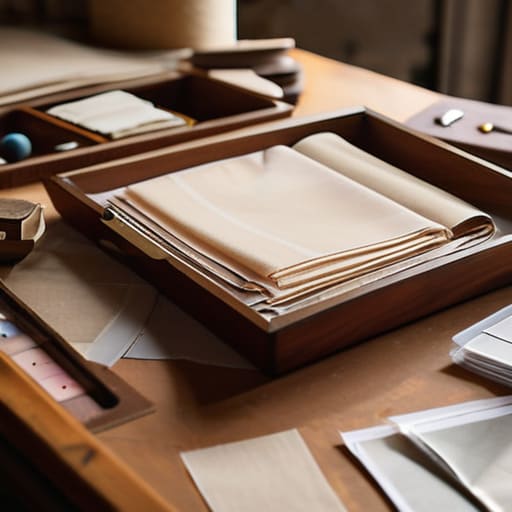
I still remember sitting on my floor in a cramped San Francisco apartment, surrounded by a literal mountain of printed spreadsheets and half-finished digital files, feeling my heart rate climb with every frantic search for a single document. It wasn’t just the clutter; it was the mental static that came with it. I realized then that most productivity gurus push these incredibly complex, expensive software ecosystems that actually drain your energy rather than save it. They make you feel like you need a PhD in data management just to figure out how to store patterns and templates without losing your mind in the process.
But here’s the truth: organization shouldn’t feel like a second job. In this guide, I’m stripping away the high-tech noise to share some grounded, intentional strategies that actually work for a busy human brain. We aren’t going to build a digital fortress; instead, we’re going to create a seamless flow that honors your time and protects your peace. I’ll show you how to curate a system that feels as calm and intuitive as your morning yoga practice, so you can stop searching and start creating again.
Table of Contents
Gentle Ways of Organizing Sewing Patterns for Peace
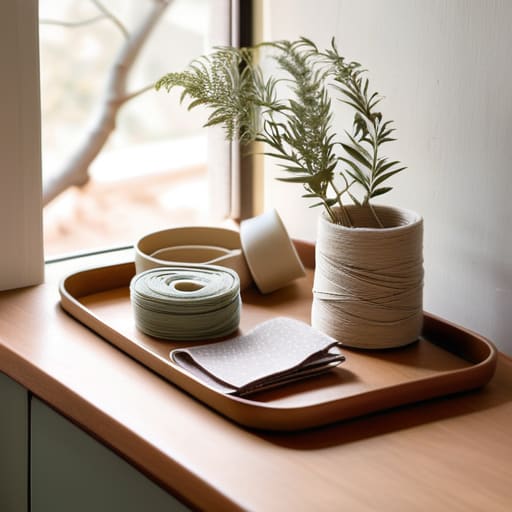
I remember a time in my corporate days when my desk was a mountain of sticky notes and half-finished projects. It felt heavy, didn’t it? I see that same frantic energy when I look at a sewing nook overflowing with loose tissue paper and tangled envelopes. When we talk about organizing sewing patterns, it isn’t just about finding a piece faster; it’s about clearing the visual noise so your creative spirit can actually breathe. I’ve found that grouping your patterns by “vibe” or season—rather than just size—creates a sense of intentionality that makes opening your craft space feel like a retreat rather than a chore.
If you’re working with delicate, vintage pieces, I highly recommend looking into protecting paper templates from damage by using acid-free sleeves or soft linen bags. There is something so grounding about touching a smooth, well-kept folder rather than wrestling with crumpled edges. For those of us who lean toward a more minimalist lifestyle, exploring digital pattern management can be a total game-changer for your mental clarity. By scanning those precious sheets, you’re not just saving space; you’re creating a digital sanctuary where your ideas can live without the physical clutter weighing you down.
Protecting Paper Templates From Damage With Care
There’s something almost sacred about a well-loved paper template, isn’t there? I remember back when I was working in the high-stress corporate world, I used to find so much solace in the tactile nature of my sewing projects. But I quickly learned that if we aren’t intentional, those precious guides can become frayed, stained, or even torn, which honestly feels like a tiny heartbreak when you’re in the middle of a creative flow. When it comes to protecting paper templates from damage, I’ve found that a little bit of foresight goes a long way in preserving your creative history.
One of my favorite craft room organization ideas involves using acid-free sleeves or lightweight archival folders. This simple step prevents the oils from our hands or even a stray drop of tea from ruining the precision of your lines. If you find that your physical collection is becoming a bit overwhelming, you might also consider a hybrid approach with digital pattern management. By scanning your most delicate pieces, you create a beautiful safety net, ensuring that even if the paper ages, your hard work and vision remain perfectly intact for years to come.
Finding Your Flow: 5 Mindful Strategies for Pattern Storage
- Create a “Visual Sanctuary” by using clear, acid-free envelopes for your most cherished templates; seeing your beautiful designs at a glance can spark immediate creative joy rather than the anxiety of digging through a dark drawer.
- Embrace the rhythm of “Micro-Sorting” by setting aside just ten minutes after a project ends to tuck your patterns back into their designated homes, preventing that overwhelming sense of clutter from ever taking root.
- Use the “Categorization Breath” technique—grouping your patterns by garment type or fabric weight—so that when inspiration strikes, you aren’t fighting your environment, but flowing with it.
- Invest in a dedicated, beautiful pattern box that feels like a gift to yourself; when your tools are housed in something lovely, the act of organizing becomes a ritual of self-care rather than a chore.
- Implement a “Digital Breath” by scanning your most used paper templates; having a digital backup on a tablet allows you to carry your creativity with you anywhere, freeing up physical space in your sanctuary.
Finding Your Flow Through Organization
Remember that organizing your patterns isn’t just about tidying up; it’s about creating a sanctuary for your creativity so you can step into your sewing space with a calm, centered mind.
Treat your precious paper templates with the same kindness you show yourself—by protecting them from damage, you’re honoring the time and love you pour into every project.
Don’t feel pressured to achieve perfection overnight; instead, find a gentle system that breathes with you, allowing your workspace to support your journey toward a more mindful and productive craft.
Finding Calm in the Chaos of Creativity
“When we treat our patterns and templates not just as tools, but as the precious blueprints of our creativity, we stop fighting the clutter and start creating a sanctuary where our best ideas can truly breathe.”
Sophia Reynolds
Finding Your Creative Flow
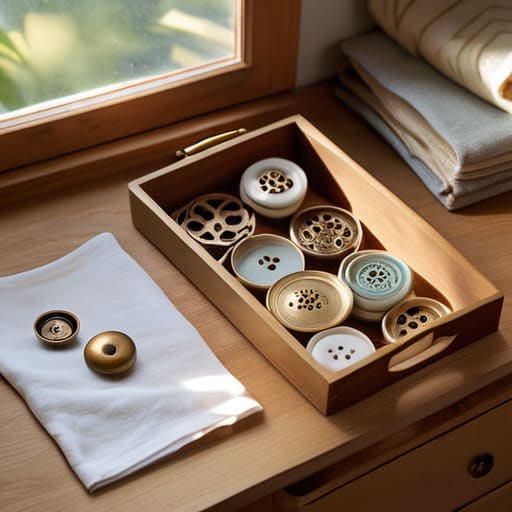
As we wrap up this journey of tidying your workspace, I hope you feel a sense of lightness regarding your sewing patterns and templates. Remember, whether you chose to tuck your paper templates into protective sleeves to prevent wear or decided to curate a gentle, categorized system for your patterns, the goal isn’t just about neatness—it’s about reducing the mental friction that keeps you from creating. By taking these small, intentional steps to organize your materials, you are effectively clearing the path for your creativity to flow without the constant interruption of searching through a mountain of crumpled paper. When your tools are respected and well-placed, you create a sanctuary for your craft rather than just another cluttered corner of the house.
At the end of the day, your sewing room should be a place that nourishes your soul, not one that adds to your stress. I often remind my clients that how we treat our tools is a reflection of how we treat ourselves; by caring for your patterns, you are honoring the time and passion you pour into every stitch. Don’t feel like you have to achieve perfection overnight. Just pick one small corner, breathe, and start where you are. You deserve a workspace that feels as peaceful and inspired as the beautiful things you are destined to make. Now, take a deep breath, grab your favorite project, and let your creativity soar.
Frequently Asked Questions
How can I organize my patterns if I'm working in a tiny studio with very limited shelf space?
When space feels tight, it’s easy to feel a sense of clutter-induced anxiety. I remember my first tiny studio in Portland; I felt so suffocated by my projects! Try thinking vertically. Use hanging clear organizers on your door or slim rolling carts that tuck into small gaps. Even a simple wall-mounted pegboard for your larger templates can turn “clutter” into a beautiful, accessible display, freeing up your precious workspace for actual creation.
Is there a way to digitize my paper templates without losing that tactile, creative feeling of working with the originals?
I completely hear you—there is something so grounding about the weight of paper under your hands. To bridge that gap, I love using a high-resolution scanner to create digital copies, but then I print them onto a slightly heavier, textured cardstock. It mimics that tactile resistance we crave! This way, you have the digital convenience for easy scaling, but when you actually sit down to create, your hands still feel that lovely, physical connection to your work.
I find myself constantly losing track of which folder holds which project—are there any mindful labeling systems that actually work?
Oh, I have been exactly where you are! That frantic searching can really disrupt your creative flow. Instead of just slapping a marker on a folder, try a “sensory labeling” approach. Use color-coded stickers or even small, tactile charms on your tabs to represent different project types—like soft blue for summer linens or earthy green for wools. It turns a chore into a mindful ritual, helping you find what you need with a calm, intuitive touch.