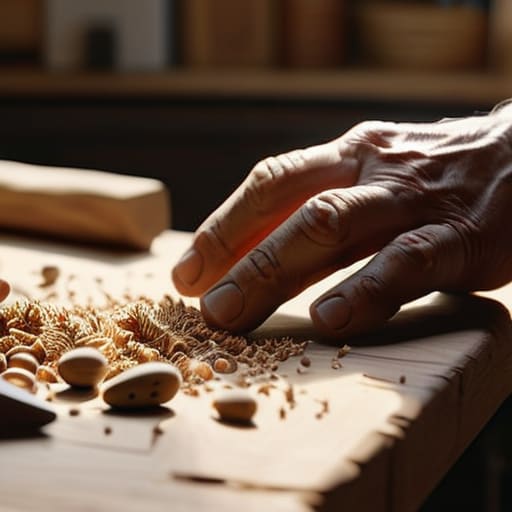
I still remember the scent of burnt cedar and the sheer, crushing frustration of my first attempt at woodworking back in my tiny apartment in Portland. I had spent a small fortune on “expert” starter kits and expensive, high-end tools, convinced that if I just owned the right gear, the skill would magically manifest. But as I sat there staring at a lopsided, splintered mess, I realized that the internet had lied to me; it had sold me the idea that mastery is something you buy rather than something you build. Learning how to teach yourself a new craft shouldn’t feel like a high-stakes investment or a race toward perfection, yet we often treat it like a grueling second job instead of a soulful escape.
I’m not here to give you a polished, aesthetic montage of success. Instead, I want to share the messy, realistic framework I’ve used to find my own flow, blending what I know about psychological resilience with the practical grit of trial and error. I promise to guide you through a way to approach learning that prioritizes intentional presence over perfectionism. We are going to strip away the hype and focus on how you can cultivate a sustainable, joyful practice that actually feeds your soul.
Table of Contents
Building a Creative Routine That Honors Your Pace
When I first transitioned from the high-pressure corporate world to focusing on my own wellness, I realized how much I had tied my worth to the speed of my results. We often approach a new hobby with that same frantic energy, thinking that if we aren’t seeing progress every single day, we’re failing. But building a creative routine isn’t about checking a box on a to-do list; it’s about creating a sacred space in your schedule where you can simply be. Instead of setting rigid, daunting goals, try carving out small, non-negotiable windows of time—even if it’s just twenty minutes after your morning coffee—to engage with your medium.
As you navigate the journey of mastering a new skill independently, you’ll inevitably hit those frustrating moments where progress feels stagnant. I like to call these the “quiet stretches.” Rather than pushing through with sheer willpower, which often leads to burnout, I suggest leaning into deliberate practice techniques that focus on quality over quantity. This might mean spending an entire session just feeling the texture of the clay or perfecting a single stitch, rather than rushing to finish a whole project. By honoring your own natural rhythm, you turn the learning process into a form of meditation rather than a chore.
Mastering a New Skill Independently Through Intentionality
When we talk about mastering a new skill independently, it’s easy to fall into the trap of thinking we need a formal classroom to succeed. But honestly? Some of my most profound breakthroughs happened right at my kitchen table, surrounded by half-finished projects and a messy pile of supplies. The secret isn’t just in the hours you put in, but in the quality of your attention. I’ve found that applying a simple skill acquisition framework—where you set a tiny, specific goal for every single session—prevents that overwhelming feeling of being lost in the weeds.
Instead of aimlessly scrolling through endless videos, try to be more surgical with your learning. It’s incredibly easy to get lost while finding craft tutorials online, but I always recommend picking one specific technique to focus on for a week. This is where deliberate practice techniques come into play; rather than just repeating what you already know, you intentionally lean into the parts that make your hands feel a little clumsy. It’s in that exact moment of slight frustration that the real magic happens.
Small Steps, Big Soul: My Favorite Ways to Nurture Your New Skill
- Embrace the “Messy Middle” without judgment. There will be days when your stitches are uneven or your pottery looks more like a lumpy bowl than a vase—and that is perfectly okay. I’ve learned through my own journey that progress isn’t a straight line; it’s a winding path, and the beauty is often found in those imperfect, learning moments.
- Curate a “Sensory Sanctuary” for your practice. Instead of just setting up a desk, think about how you want to feel when you create. Maybe it’s lighting a specific sandalwood candle or putting on a lo-fi playlist. When you engage your senses, you signal to your nervous system that it’s time to transition from “doing” mode into “being” mode.
- Follow the “Micro-Dosing” rule for learning. Don’t feel pressured to carve out three-hour blocks of time; in our busy lives, that’s a recipe for burnout. Instead, try just fifteen minutes of focused practice. It’s much easier to stay consistent when you treat your craft like a gentle daily ritual rather than a daunting mountain to climb.
- Seek out “Digital Mentors,” but keep them at arm’s length. YouTube and Pinterest are incredible goldmines, but it’s easy to fall into the trap of endless scrolling (what I call “productive procrastination”). Pick one or two creators whose style truly resonates with your soul, and use them as guides rather than benchmarks for comparison.
- Celebrate the “Quiet Wins.” We are often so focused on the finished masterpiece that we forget to honor the small victories. Did you finally understand how to hold the needle correctly? Did you manage to sit still for ten minutes without checking your phone? Those are the real wins. Acknowledge them, breathe them in, and let them fuel your journey.
Small Steps, Soulful Growth
Remember that progress isn’t a race; celebrate the tiny, messy victories of showing up for yourself, even when the results aren’t perfect yet.
Protect your creative energy by setting gentle boundaries with your time, ensuring your new hobby feels like a sanctuary rather than another item on your to-do list.
Lean into the discomfort of being a beginner, because that’s exactly where the most profound personal growth and mindful presence happen.
## The Heart of the Journey
“Learning a new craft isn’t about the speed of your progress or the perfection of the final product; it’s about the quiet, sacred moments of discovery when you finally stop trying to master the skill and start learning to love the process.”
Sophia Reynolds
Embracing the Journey Ahead
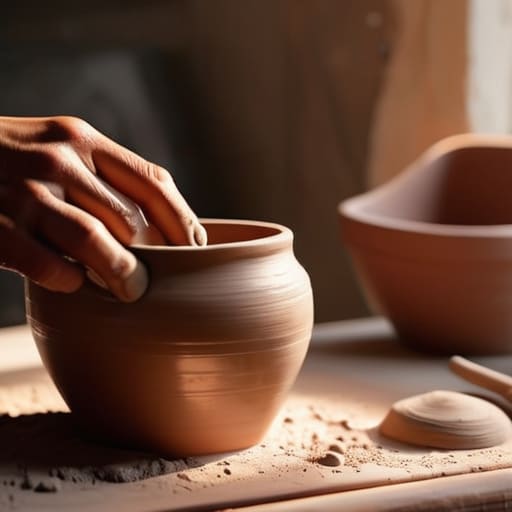
As we wrap up this exploration, I want you to take a moment to look back at how far you’ve come just by deciding to begin. Teaching yourself a craft isn’t just about the final product sitting on your shelf; it’s about the intentionality you bring to your routine and the grace you extend to yourself when things get messy. By building a schedule that honors your natural rhythms and approaching each lesson with a sense of presence, you aren’t just learning a skill—you are cultivating a sanctuary for your own creativity. Remember, the goal isn’t perfection, but rather the steady, mindful progress you make when you trust your own pace.
I often think back to my early days in the corporate world, feeling like every minute had to be optimized for maximum output. It took me a long time to realize that the most beautiful parts of life happen in the “unproductive” spaces. When you pick up that needle, that brush, or that carving tool, you are reclaiming a piece of your soul from the rush of the world. So, please, don’t be afraid to be a beginner. Embrace the clumsy middle stages and the beautiful mistakes, because that is exactly where the magic lives. Go forth and create, not because you have to, but because your spirit deserves to play.
Frequently Asked Questions
How do I keep myself motivated when I hit that inevitable "frustration plateau" where the initial excitement wears off?
Oh, I have been there more times than I can count! That plateau is actually where the real magic happens—it’s the “growth gap.” When that initial spark fades, stop looking at the mountain peak and just look at your feet. I’ve found that shifting my focus from mastery to curiosity helps immensely. Instead of demanding perfection, ask yourself, “What’s one tiny thing I can play with today?” Celebrate the messy middle; that’s where the soul of the craft lives.
Is it better to focus on mastering one specific technique at a time, or should I allow myself to play around with different aspects of the craft to keep it fun?
Oh, I love this question! It’s the classic tug-of-war between discipline and delight. Honestly? I think the magic happens in the middle. If you only focus on technical mastery, you risk burning out or losing that initial spark of joy. But if you only play, you might feel like you’re spinning your wheels. Try a “70/30 rule”: spend 70% of your time honing a specific skill, and let the other 30% be pure, messy, unguided play.
How can I tell the difference between healthy, productive struggle and the kind of burnout that means I actually need to step away?
This is such a vital question, and honestly, one I struggled with constantly during my corporate years. Think of it this way: productive struggle feels like “stretching”—it’s challenging and maybe a little frustrating, but it leaves you feeling energized or curious once you pause. Burnout, however, feels like “draining.” It’s a heavy, hollow exhaustion where even the things you love feel like chores. If your passion has turned into resentment, it’s time to breathe and step back.