The Slow Art of Color: Finding Stillness and Soul in the Alchemy of Plant Dyes
I remember sitting on my kitchen floor in my tiny first apartment, surrounded by stained tea towels and a sense of total frustration. I had watched dozens of tutorials, yet everything I tried ended up looking like a muddy, unintentional mess. There’s this persistent myth that you need a chemistry degree or a massive backyard garden to master this craft, but that couldn’t be further from the truth. Learning how to make natural dyes from plants isn’t about achieving laboratory perfection; it’s about reconnecting with the rhythm of nature and finding joy in the beautiful unpredictability of the organic world.
In this guide, I’m stripping away the intimidation and the unnecessary jargon to give you a realistic, soulful approach to botanical coloring. We aren’t going to chase impossible results, but instead, I’ll show you the practical, evidence-based steps to creating vibrant, lasting hues using simple kitchen scraps and garden finds. You’ll learn exactly how to prep your fabrics and select your ingredients so that your creative practice becomes a source of calm rather than another item on your stressful to-do list.
Table of Contents
- Step-by-Step Instructions
- Sourcing Soulful Pigments Through Botanical Color Extraction
- The Gentle Alchemy of Natural Mordants for Fabric
- Little Rituals for Vibrant Results: My Top 5 Tips for Your Dyeing Journey
- Embracing the Rhythm of Botanical Color
- The Rhythm of the Earth
- Embracing the Rhythm of Color
- Frequently Asked Questions
Guide Overview
Tools & Supplies
- Large stainless steel pot for boiling
- Fine mesh strainer for removing plant matter
- Measuring cups for water and mordant
- Tongs or long spoon for stirring
- Natural plant material (e.g., onion skins, turmeric, or beets) 2-4 cups
- Fabric (cotton, linen, or silk) 2-3 large pieces
- Mordant (e.g., vinegar or alum) 1 cup
- Water 4-6 quarts
Step-by-Step Instructions
- 1. First, we need to gather our botanical treasures. Whether you’re foraging in your backyard or visiting a local farmer’s market, look for vibrant scraps like onion skins, avocado pits, or even fallen flower petals. I always find that the more intentional you are with your collection, the more connected you feel to the process. Just make sure everything you pick is clean and free of pesticides.
- 2. Once you have your plant material, it’s time to prepare the “dye bath.” Chop your botanicals into smaller pieces to increase the surface area, which helps release those beautiful pigments. Place them in a large stainless steel pot—please avoid aluminum, as it can unpredictably alter your colors—and cover them with enough water so the plants can fully submerge.
- 3. Now, we gently bring the mixture to a simmer. You don’t want a violent, rolling boil; instead, aim for a soft, steady heat that feels like a calming ritual. Let the plants dance in the water for about an hour, or until the liquid becomes deep and saturated with color. This is a wonderful moment to step away from your screens and just breathe.
- 4. Before we move to the fabric, we have to prepare our “canvas” using a process called mordanting. This is a fancy way of saying we’re helping the color stick! I love using a simple alum solution, which acts like a bridge between the plant and the fiber. Without this step, your lovely colors might wash away the first time you clean your linens, and we want these hues to last a lifetime.
- 5. Strain your botanical mixture through a fine mesh sieve or a piece of cheesecloth to remove all the plant bits. You’ll be left with a clear, vibrant liquid. Submerge your pre-mordanted fabric into this liquid, making sure it’s completely soaked. For a deeper, more soulful saturation, let the fabric sit in the dye bath overnight while you sleep.
- 6. Finally, rinse your dyed creations in cool water until the water runs clear. As you hang them up to dry in the gentle sunlight, take a second to admire what you’ve created. You haven’t just colored a piece of cloth; you’ve captured a moment of nature’s fleeting beauty and brought it into your home.
Sourcing Soulful Pigments Through Botanical Color Extraction
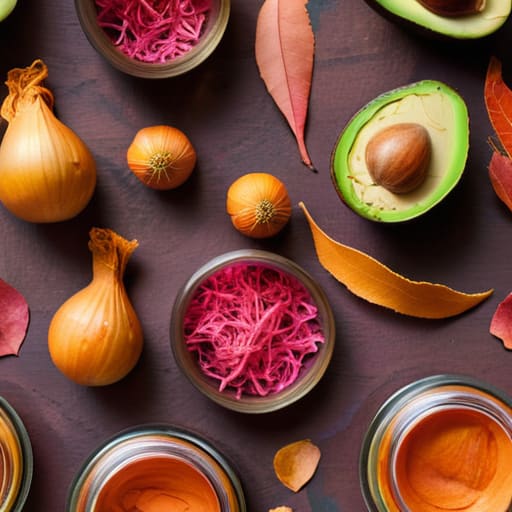
When I first started experimenting with botanical color extraction, I realized that the most beautiful hues aren’t found in a store, but right beneath our feet. I remember walking through a local park in Oregon during the autumn, and seeing the vibrant, decaying leaves, I felt this sudden spark of inspiration. You don’t need a massive garden to begin; even your kitchen scraps can become incredible natural pigment sources. Think about those onion skins sitting in your compost bin or the avocado pits that hold such a surprising, soft peach tone. It’s about shifting your perspective to see the potential for beauty in what others might call waste.
As you begin your journey into eco-friendly textile dyeing, I highly recommend keeping a small “foraging journal.” Note down where you found a specific petal or bark and how the light hit it. This mindful connection to your materials turns a simple craft into a meditative ritual. Also, remember that the season plays a huge role in the intensity of your colors. Just like our own moods, the earth’s palette shifts with the rhythm of the year, offering us a different spectrum of soulfulness every single month.
The Gentle Alchemy of Natural Mordants for Fabric
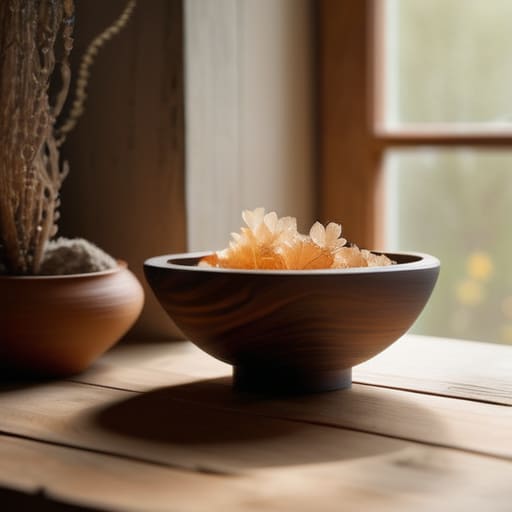
Now, before we dive into the actual coloring process, I want to share a little secret that often gets overlooked in the rush to create: the magic of the mordant. Think of a mordant as the bridge between the plant and the fiber. Without it, those beautiful colors we worked so hard to extract might just wash away with the first rinse. Using natural mordants for fabric, like alum or even a bit of iron from a rusty nail, is what allows the pigment to truly bond with the soul of your cloth. It’s a moment of patience, really—a way of preparing the canvas so that the art can truly endure.
I remember when I first started experimenting in my tiny kitchen back in Oregon; I was so frustrated that my first few attempts turned out quite pale. I realized then that eco-friendly textile dyeing isn’t just about the plants themselves, but about the chemistry of connection. By taking the time to properly pre-treat your materials, you aren’t just following a recipe; you are honoring the intention behind the craft. It turns a simple task into a mindful ritual of preparation and promise.
Little Rituals for Vibrant Results: My Top 5 Tips for Your Dyeing Journey
- Listen to the seasons before you head out; the most soulful colors often come from what’s currently blooming or falling, so try to time your foraging with the natural rhythm of your local landscape.
- Don’t be afraid of a little trial and error, because nature doesn’t work in perfect, predictable formulas—treat every “mishap” as a beautiful experiment in discovering a new, unique shade.
- Remember to give your fabrics a good “pre-bath” with a mordant; think of it as preparing the soil before planting a seed, ensuring the color truly takes root and stays with you.
- Keep a small, dedicated journal of your botanical finds and the colors they yield, because looking back on your successes is such a wonderful way to honor your creative growth.
- Slow down and embrace the process rather than rushing to the finish line; the true magic happens in the quiet moments of watching the water transform into a deep, earthy hue.
Embracing the Rhythm of Botanical Color
Remember that natural dyeing isn’t a race; it’s a meditative practice. Lean into the slow pace of the process, allowing the time spent simmering and waiting to become a moment of mindfulness rather than a task on your to-do list.
View every color variation as a beautiful signature of nature. Instead of striving for the clinical perfection of synthetic dyes, embrace the subtle shifts and organic imperfections that make your handmade pieces truly one-of-a-kind.
Connect deeply with your local ecosystem by sourcing what is already around you. Whether it’s onion skins from your kitchen or fallen petals from your garden, you’re not just making dye—you’re participating in a soulful dialogue with the earth.
The Rhythm of the Earth
“When we dye with plants, we aren’t just coloring fabric; we are engaging in a slow, sacred conversation with the seasons, learning to find beauty in the subtle, imperfect hues that only nature can provide.”
Sophia Reynolds
Embracing the Rhythm of Color
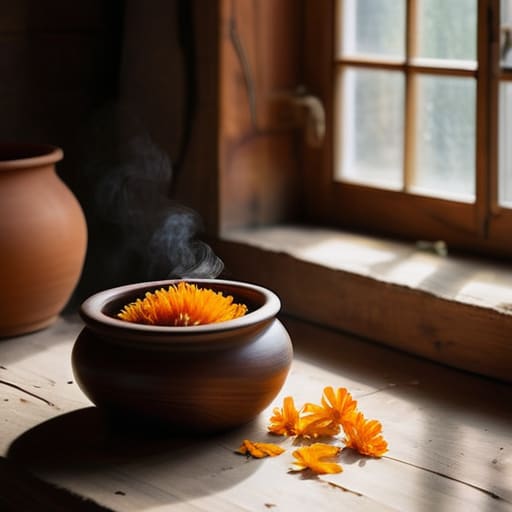
As we wrap up this journey into the world of botanical color, I hope you feel more connected to the subtle magic hidden in your own backyard. We’ve walked through the intentional process of sourcing soulful pigments, the delicate science of using natural mordants to make those hues stick, and the patience required to let the extraction unfold. Remember, this isn’t about achieving a factory-perfect finish; it’s about celebrating the beautiful unpredictability of working with living things. Whether you used onion skins, marigolds, or fallen leaves, you have successfully transformed something fleeting into something tangible and lasting.
Beyond the beautiful fabrics and the vibrant stains, I want you to hold onto the sense of peace you found in the process. In our high-speed, digital-first world, choosing to slow down and stir a pot of simmering dye is a radical act of self-care and presence. Let these colors be a gentle reminder that life doesn’t always need to be loud to be meaningful. As you move forward, I encourage you to keep looking for those small, quiet moments of alchemy in your daily routine. May your life be as rich, layered, and authentically colored as the textiles you’ve created today.
Frequently Asked Questions
How do I keep my colors from fading after a few washes, and are there ways to make them more lightfast?
It’s so common to feel a little discouraged when those beautiful hues start to soften after a wash, but don’t let it dim your spirit! To keep your colors vibrant, always wash your creations in cool water with a pH-neutral soap—think of it as a gentle spa day for your fabric. For lightfastness, try to store your dyed pieces away from direct sunlight. It’s all about protecting that delicate energy we’ve infused into the cloth.
Can I use kitchen scraps like onion skins or avocado pits, or do I really need to go foraging in nature?
Oh, I love this question! Honestly, you don’t need to head into the woods to find magic. In fact, some of my favorite hues come right from my own kitchen! Using onion skins for those warm ambers or avocado pits for a dreamy, soft pink is such a beautiful way to practice mindfulness through zero-waste living. It turns “scraps” into a mindful ritual, proving that soulful creativity is often hiding in plain sight.
Is it safe to use these natural dye baths around my family, and what kind of cleanup should I expect in my kitchen?
I completely understand that hesitation—bringing new processes into our homes can feel a little daunting! Generally, working with food-based plants like onion skins or turmeric is very safe, but I always recommend wearing gloves to avoid staining your hands. As for the kitchen, think of it like making a big pot of herbal tea. Just keep an eye on your stovetop to prevent splashes, and a quick soak in warm, soapy water will keep your space feeling bright and clean.