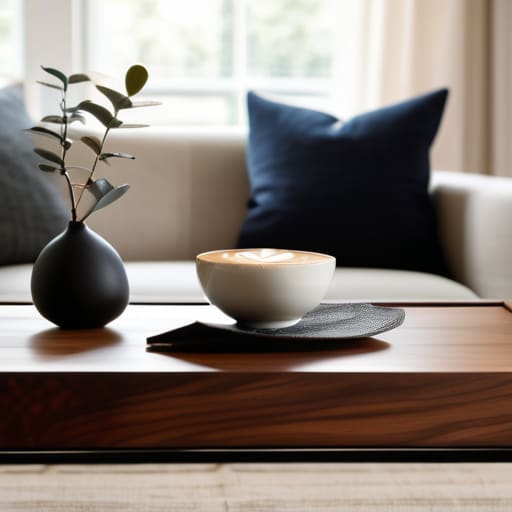
I remember sitting on the floor of my first tiny apartment in San Francisco, surrounded by half-unpacked boxes and feeling completely overwhelmed by the sheer noise of interior design trends. I had spent hours scrolling through glossy magazines, convinced that I needed a massive, marble-topped statement piece just to feel like an “adult.” But as I sat there, nursing a lukewarm tea, I realized that most advice on how to choose a coffee table is completely disconnected from how we actually live. We’re told to prioritize aesthetics and brand names, but no one talks about how a table needs to support your real life—the late-night journals, the scattered tea mugs, and those quiet moments of reflection.
I’m not here to give you a list of expensive trends or tell you what’s “in” this season. Instead, I want to help you find a piece that serves your well-being and your space. We’re going to look at this through a lens of intentionality, focusing on scale, texture, and functionality so you can find a centerpiece that truly invites stillness. Consider this your no-nonsense guide to selecting a table that feels as good as it looks.
Table of Contents
- Finding Harmony Through Living Room Furniture Layout
- Modern Coffee Table Styles for a Mindful Space
- The Soul of the Space: 5 Intentional Ways to Select Your Perfect Table
- Bringing It All Together: My Final Thoughts for Your Space
- The Heart of the Room
- Creating Space for What Matters
- Frequently Asked Questions
Finding Harmony Through Living Room Furniture Layout
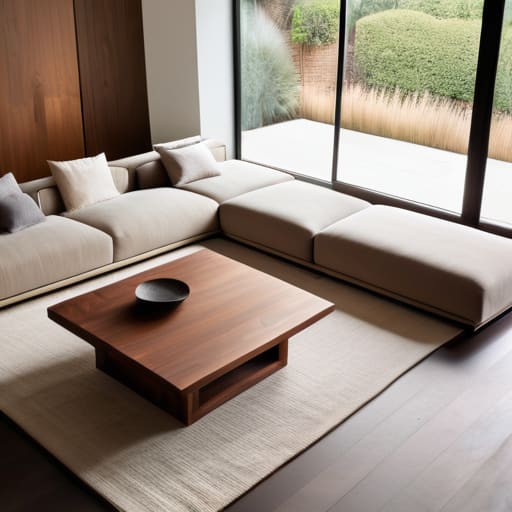
Once you’ve found a piece that speaks to your soul, it’s time to consider how it breathes within your room. I always tell my clients that a beautiful object can still feel “off” if the energy of the room is blocked by poor flow. When you’re working on your living room furniture layout, think of it as choreographing a dance. You want to create paths that feel intuitive rather than obstructive. A common mistake I see is neglecting the physical ease of movement; always prioritize measuring sofa clearance to ensure there’s enough space to stretch your legs without feeling like you’re navigating an obstacle course.
If you’re working with a tighter footprint, the geometry of your pieces becomes even more vital. Choosing a specific coffee table shape for small spaces, like a round or oval design, can soften the sharp edges of a room and allow for a much more fluid circulation. It’s about creating a sense of openness that invites you to settle in, rather than a layout that feels cramped or restrictive. When the proportions are right, your furniture stops being just “stuff” and starts becoming a foundation for connection.
Modern Coffee Table Styles for a Mindful Space
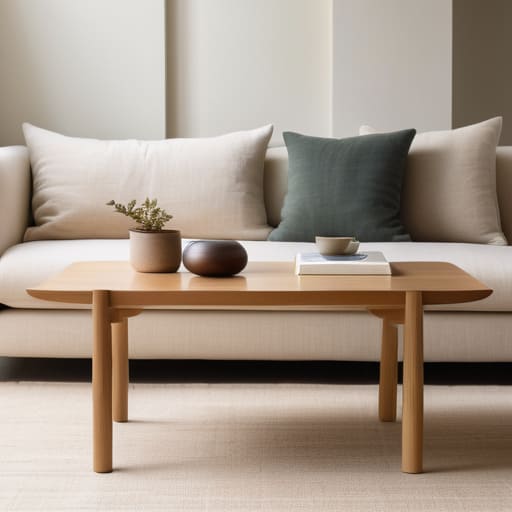
When we talk about modern coffee table styles, I like to think of them as the visual anchors of your sanctuary. If your goal is to create a space that feels airy and intentional, you might lean toward minimalist designs with clean lines and natural textures. I remember when I first transitioned from my high-stress corporate role to my own home; I realized that a heavy, dark wood table felt like it was “cluttering” my mental state. Instead, I opted for a light oak piece with slim legs. This choice allowed for more visual “breathing room,” making the entire area feel less cramped and more conducive to deep breaths and quiet moments.
If you’re working with a more compact floor plan, choosing the right coffee table shape for small spaces can be a total game-changer for your daily flow. Round or oval tables are wonderful because they lack sharp corners, which psychologically makes a room feel softer and more approachable—plus, they make navigating the room much easier if you’re moving through it frequently. Whether you choose a sculptural stone piece or a simple wooden tray style, ensure the aesthetic reflects the tranquility you want to feel the moment you walk through the door.
The Soul of the Space: 5 Intentional Ways to Select Your Perfect Table
- Prioritize the “Flow” of Connection: Before you fall in love with a design, imagine yourself sitting on your sofa with a warm cup of tea. A table that’s too large can feel like an obstacle in your path, while one too small might leave you reaching awkwardly. Aim for that “sweet spot” where the table is close enough to feel intimate, but leaves enough breathing room to move through your sanctuary without friction.
- Choose Materials That Ground You: I always tell my clients that our environment deeply influences our nervous system. If you’re looking to foster a sense of calm, consider natural textures like reclaimed wood or stone. These organic elements bring a touch of the outdoors in, helping to anchor your living room and reminding you to stay present.
- Consider the Height of Ease: There is a subtle science to ergonomics that we often overlook. Your coffee table should ideally sit just a few inches below your seat cushions. If it’s too high, it feels imposing and disrupts the visual flow; if it’s too low, it becomes a chore to reach. Aim for a height that supports effortless movement and relaxation.
- Functionality Meets Mindfulness: Think about how you actually live, not just how you want your home to look in a magazine. Do you spend your evenings journaling? You might need a surface with a bit more breadth. Do you have little ones running around? A table with rounded edges isn’t just a safety choice—it’s a way to create a space that feels soft and approachable rather than sharp and rigid.
- Create a Surface for Presence: Treat your coffee table as more than just a place to drop your keys. Select a piece that invites intentionality—perhaps a beautiful ceramic tray to hold a single candle or a curated stack of books that inspire you. When your table reflects your values, it stops being just furniture and starts becoming a centerpiece for your most mindful moments.
Bringing It All Together: My Final Thoughts for Your Space
Remember that a coffee table isn’t just a piece of furniture; it’s an anchor for your living room that should facilitate connection and presence, not just hold your remote.
Prioritize the “flow” of your room by choosing a scale and shape that respects your movement, ensuring your space feels expansive rather than cluttered.
Let your personal aesthetic guide you—whether it’s a sleek modern piece or something more organic, your table should be a reflection of the calm, intentional life you’re building.
The Heart of the Room
“When you’re selecting a coffee table, try to look past the wood grain or the metal legs for a moment. Instead, ask yourself: ‘Does this piece invite us to slow down?’ A truly great table isn’t just a surface for your books; it’s a grounding anchor that creates a shared space for connection, conversation, and a much-needed pause in our busy lives.”
Sophia Reynolds
Creating Space for What Matters
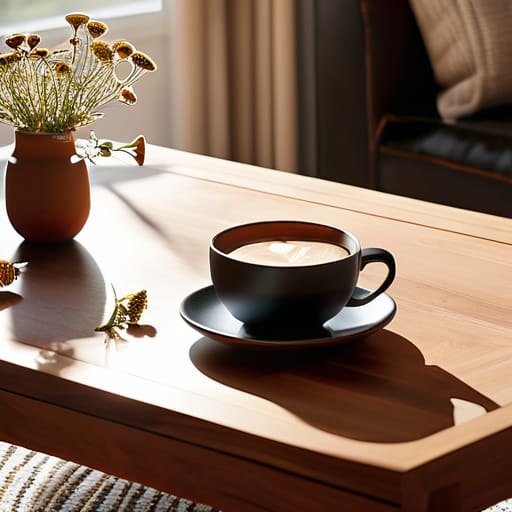
As we wrap up this journey of selecting the perfect centerpiece, I hope you feel more equipped to navigate the beautiful intersection of function and feeling. Remember, choosing a coffee table isn’t just about matching wood tones or measuring square footage; it’s about how that piece facilitates your daily rituals. Whether you’ve prioritized a sleek, modern aesthetic to minimize visual clutter or opted for a large, rustic surface that invites long conversations with old friends, you are essentially curating the energy of your sanctuary. By considering the layout of your room and the intentionality behind the style you choose, you ensure that your furniture serves your well-being rather than just occupying space.
At the end of the day, your home should be a soft place to land after a demanding day in the world. I often remind my clients that our physical environment is a direct reflection of our internal state, and every small choice we make is an opportunity to nurture our peace. So, as you make your final decision, don’t just look at the table—imagine yourself sitting beside it, breathing deeply, and feeling completely at home. You deserve a space that doesn’t just look beautiful, but one that truly invites you to pause and be present.
Frequently Asked Questions
How do I find the perfect height for my coffee table so it feels natural and doesn't disrupt the flow of my relaxation time?
The Golden Rule of Proportions: Finding the Height That Honors Your Rest
Since I love hosting friends, what are some ways to choose a table shape that encourages conversation without making the room feel cluttered?
When I used to host dinner parties in my old corporate apartment, I realized that a rectangular table can sometimes feel like a barrier between people. If you want to foster true connection, I highly recommend a round or oval shape. These softer lines naturally draw people inward, creating an organic flow for conversation. To keep it from feeling cluttered, choose a “leggy” design with a slim profile—it lets the eye travel through the space, maintaining that sense of airy calm.
How can I balance choosing a beautiful, aesthetic piece with the practical need for a durable surface that can actually handle my daily life?
I completely hear you—it’s that classic tug-of-war between our “aesthetic soul” and our “real-world reality.” I used to struggle with this when I first moved into my own place! My advice? Look for “resilient beauty.” Instead of delicate marble that stresses you out every time you set down a mug, consider a high-quality reclaimed wood or a treated quartz. It’s about choosing pieces that serve your life without demanding constant perfection, allowing you to actually relax.