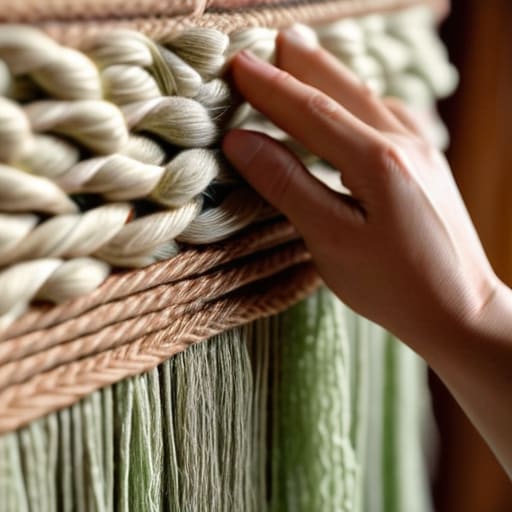
I remember sitting on my floor in a tiny, cramped apartment in San Francisco, surrounded by tangled yarn and a mounting sense of frustration, thinking that I’d never actually master the art of creating something beautiful. I had all these Pinterest boards full of intricate macramé, but every time I tried to figure out how to make a wall hanging, I felt more overwhelmed than inspired. It’s easy to fall into the trap of thinking you need expensive tools or years of artistic training to create something meaningful, but I’ve learned that the most soul-soothing projects are often the simplest ones.
In this guide, I’m stripping away the intimidation and sharing a gentle, step-by-step approach to crafting your own piece of sanctuary. I won’t overwhelm you with complex knots or high-end equipment; instead, I’ll walk you through a practical method that focuses on the rhythm of the process rather than just the final product. You’ll learn exactly how to select your materials, set up your workspace for maximum calm, and execute a design that brings a sense of intentional peace to your home.
Table of Contents
- Step-by-Step Instructions
- Curating Your Sanctuary With Essential Textile Art Supplies
- Finding Your Rhythm Through Simple Fiber Art Projects for Beginners
- Small Rituals for a Soulful Creation Process
- Finding Meaning in Every Thread
- ## The Soul in the Stitch
- Bringing Your Vision to Life
- Frequently Asked Questions
Guide Overview
Tools & Supplies
- Scissors for cutting yarn and cord
- Measuring tape to ensure even spacing
- Wooden dowel or branch (1 piece)
- Cotton macrame cord or yarn (1 large spool)
- Beads or wooden rings (optional decoration)
Step-by-Step Instructions
- 1. To start, let’s gather our intention along with our materials. You’ll need a sturdy wooden dowel or a beautiful piece of driftwood you’ve found on a walk, some high-quality cotton macramé cord or soft yarn, and a pair of sharp fabric scissors. I always find that having everything laid out neatly on a clean surface helps me feel more grounded before the creative process begins.
- 2. Once you’re ready, take your wooden dowel and begin by securing the top of your cord. You can use a simple “Lark’s Head knot” to attach your first strand; just fold the cord in half, loop it over the dowel, and pull the ends through the loop. I like to repeat this until I have a full row of strands, making sure to breathe deeply as you work, treating each knot as a tiny moment of mindfulness.
- 3. Now, we move into the rhythmic pattern-making phase, which is where the magic really happens. Depending on the design you’re envisioning, you might use square knots or spiral knots to create texture. As you work through the rows, try not to rush; the beauty of a handmade piece lies in the intentionality of your movements rather than how quickly you finish.
- 4. As your piece begins to take shape, you’ll notice the texture growing more complex and beautiful. This is a wonderful time to practice what I call “active presence”—if your mind starts drifting toward your mounting to-do list, gently bring your focus back to the tactile sensation of the cord between your fingers. This connection between hand and heart is what truly breathes life into your creation.
- 5. When you feel you’ve reached the desired length, it’s time to create a soft, organic fringe at the bottom. Use your scissors to trim the ends into a straight line for a modern look, or leave them uneven for a more bohemian, effortless vibe. I personally love the uneven look because it reminds me that perfection isn’t the goal—authenticity is.
- 6. Finally, give your wall hanging a gentle shake to settle the fibers and hang it in a spot where you’ll see it daily. Whether it’s above your desk or near your meditation corner, let it serve as a visual anchor to remind you that you have the power to create beauty and peace, even in the midst of a busy life.
Curating Your Sanctuary With Essential Textile Art Supplies
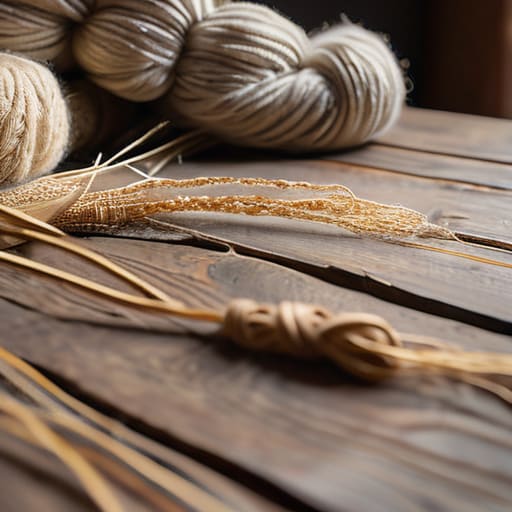
Before we get our hands into the fibers, I want to invite you to view this process not just as a craft, but as a sensory experience. When I first started exploring textile art supplies, I used to rush straight to the store, grabbing whatever looked pretty. But I quickly learned that the magic lies in how the materials feel against your skin and how they catch the light in your home. I always suggest starting with a variety of natural fibers—think soft cotton cords, chunky wools, or even delicate linen. Taking a moment to touch each strand helps you connect with the tactile nature of the project, turning a simple task into a grounding, meditative ritual.
As you gather your materials, keep an eye on yarn texture and color theory to ensure your piece resonates with your personal sanctuary. I love mixing a rugged, braided jute with a silky, ethereal mohair; that contrast creates a visual rhythm that feels both organic and intentional. If you’re leaning into a boho decor DIY aesthetic, try pulling in earthy tones like terracotta or sage to evoke a sense of calm. Remember, your supplies are the building blocks of your peace, so choose pieces that truly speak to your soul.
Finding Your Rhythm Through Simple Fiber Art Projects for Beginners
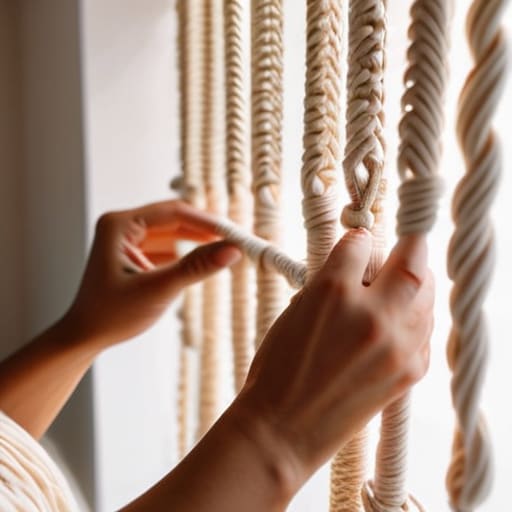
I remember a time in my corporate years when my desk felt like a battlefield of deadlines. I started experimenting with small, tactile tasks just to ground myself, and that’s when I truly fell in love with the meditative flow of creating. When you are just starting out, don’t feel pressured to create a massive masterpiece immediately. Instead, treat these fiber art projects for beginners as a way to practice mindfulness. Whether you are following a simple macrame wall hanging tutorial or just playing with loose threads, the goal isn’t perfection—it’s the rhythmic movement of your hands that helps quiet a noisy mind.
As you explore different styles, I encourage you to play with yarn texture and color theory to reflect your current mood. Sometimes, a heavy, chunky wool feels like a warm hug on a stressful day, while airy cotton might suit a morning of calm reflection. There is something so deeply restorative about choosing colors that resonate with your inner landscape. By focusing on these small, intentional creative choices, you transform a simple craft into a powerful tool for emotional regulation and peace.
Small Rituals for a Soulful Creation Process
- Embrace the beauty of imperfection by remembering that your first piece doesn’t need to be a masterpiece; it just needs to be a reflection of your current energy.
- Set the intention for your creative session by lighting a calming candle or playing some soft ambient music, turning the act of making into a meditative ritual.
- Listen to your body’s cues and take frequent “micro-breaks” to stretch your hands and shoulders, ensuring that your creative flow doesn’t come at the cost of your physical well-being.
- Experiment with tactile variety by mixing different textures—like chunky wool alongside delicate cotton—to engage your senses and keep your mind present in the moment.
- Allow yourself the grace to step away if you feel frustrated, because true creativity flourishes when we approach our crafts with curiosity rather than pressure.
Finding Meaning in Every Thread
Remember that the goal isn’t perfection, but presence; let the rhythm of the fibers act as a moving meditation that grounds you in the moment.
Treat your workspace as a sacred container for creativity, ensuring your supplies and surroundings nourish your spirit rather than cluttering your mind.
View your finished wall hanging not just as decor, but as a tangible symbol of the peace and intentionality you are cultivating within your home sanctuary.
## The Soul in the Stitch
“Making a wall hanging isn’t just about arranging fibers or perfecting a knot; it’s about the intentional act of slowing down. When we weave texture and color into our homes, we aren’t just decorating a room—we are tactilely anchoring our peace, creating a soft, visual reminder to breathe every time we pass by.”
Sophia Reynolds
Bringing Your Vision to Life
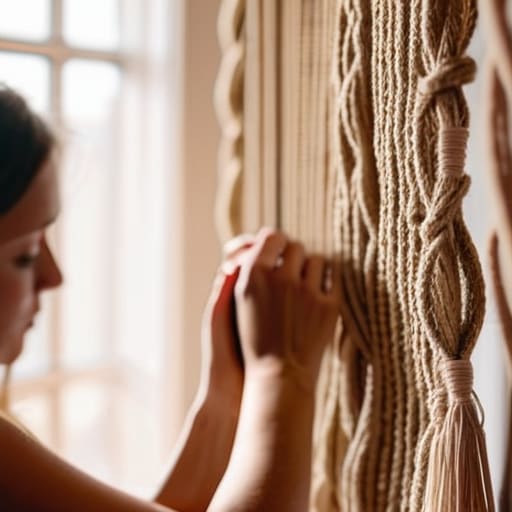
As we wrap up this creative journey, I hope you can look back at the process and see more than just a collection of threads and knots. From selecting the perfect, tactile materials to finding your unique rhythm through those first few beginner-friendly stitches, you’ve done more than just make a piece of decor; you’ve practiced the art of intentional creation. Remember that the beauty of a handmade wall hanging doesn’t lie in its perfection, but in the way it reflects the patience and presence you poured into every single loop. Whether your finished piece is a minimalist dream or a colorful tapestry of textures, it stands as a tangible reminder of the time you carved out just for yourself.
Beyond the aesthetics, I want you to carry this sense of calm into the rest of your week. In our fast-paced, digital-heavy lives, there is something profoundly healing about working with our hands and slowing down to match the pace of the fibers. Let this wall hanging serve as a visual anchor in your sanctuary—a soft, gentle nudge to breathe and reconnect whenever the world feels a little too loud. You have the power to cultivate beauty and peace exactly where you are, one stitch at a time. Now, take a deep breath, hang your masterpiece with pride, and embrace the stillness you’ve so beautifully created.
Frequently Asked Questions
I’m a bit worried about the weight of my textiles; how do I know if my wooden dowel or branch can actually support the piece without bending?
I completely hear you—that little moment of doubt when you’re holding a beautiful, heavy piece of textile can feel a bit daunting! I remember feeling the same way during my first few projects. A good rule of thumb? Test your support early. Give your dowel or branch a gentle “stress test” by applying a bit of pressure. If it feels sturdy, you’re golden. If it bows, let’s pivot to something lighter or a thicker branch!
Since I’m just starting out, is it better to stick to natural fibers like cotton and wool, or can I experiment with more modern, synthetic materials?
That is such a wonderful question! Since you’re just beginning this journey, I’d suggest leaning into natural fibers like cotton or wool first. There’s something incredibly grounding about the tactile sensation of organic materials; it really helps you stay present in the moment. Once you’ve found your flow and feel comfortable with the tension and texture, then by all means, dive into those modern synthetics! Experimentation is where the magic happens, but starting with nature keeps you centered.
How do I figure out the best way to hang my finished piece so it stays level and doesn't accidentally slip or fall from the wall?
There is something so grounding about seeing your finished piece finally meet the wall, but I know that little moment of “will it stay?” anxiety well! To keep things level and secure, I always recommend using a small spirit level—it’s a game changer. For lighter fiber art, Command strips are a lifesaver, but for heavier pieces, a sturdy sawtooth hanger or even a small wooden dowel with twine provides that reliable, intentional anchor your sanctuary deserves.