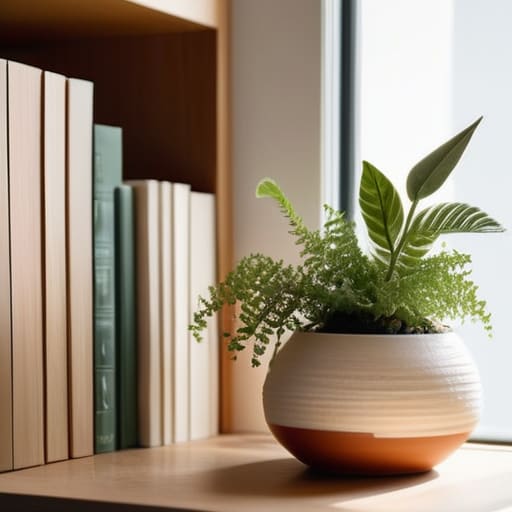
I remember sitting on the floor of my first tiny apartment in San Francisco, surrounded by half-unpacked boxes and a growing sense of overwhelm. I stared at this one, empty, skeletal bookshelf and felt this strange, heavy pressure to make it look like a curated spread from a high-end interior design magazine. I spent hours scrolling through Pinterest, convinced that learning how to style a shelf required a massive budget and a collection of expensive, minimalist ceramics that felt completely soul-less. It felt less like decorating and more like a performance of perfection that left me feeling more anxious than inspired.
I’m here to tell you that we are officially retiring that high-pressure approach. In this guide, I’m stripping away the fluff and the “designer-only” rules to show you how to curate a space that actually breathes. We aren’t just moving objects around for the sake of aesthetics; we are going to learn how to use your shelves to create intentional micro-sanctuaries that reflect who you truly are. I promise to share practical, evidence-based ways to bring balance and joy to your home, one meaningful object at a time.
Table of Contents
- Finding Balance Through Minimalist Shelf Arrangement
- The Magic of Layering Decor on Shelves for Depth
- Small Rituals for Your Shelves: 5 Ways to Infuse Intentionality into Your Decor
- Bringing Intention to Your Space
- Creating a Sanctuary in Small Spaces
- Creating Your Own Sanctuary
- Frequently Asked Questions
Finding Balance Through Minimalist Shelf Arrangement
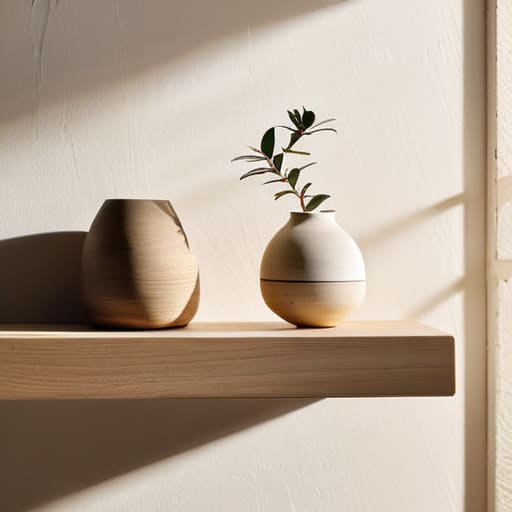
I remember sitting in my old corporate office in San Francisco, staring at a desk cluttered with endless stacks of paper and tangled charging cables. My mind felt just as cluttered. It wasn’t until I started practicing a more intentional approach to my surroundings that I realized how much our physical environment dictates our mental clarity. When we lean into a minimalist shelf arrangement, we aren’t just cleaning up; we are creating visual breathing room. By stripping away the excess, we allow our eyes—and our minds—to rest on the things that truly matter.
To achieve this, I love utilizing the shelf styling rules of three. Instead of crowding every inch with trinkets, try grouping a single ceramic vase, a small trailing plant, and one meaningful book. This creates a sense of rhythm and prevents that overwhelming “visual noise” that often triggers subconscious stress. When you focus on layering decor on shelves with intention rather than volume, you transform a mere storage unit into a curated sanctuary that supports your journey toward a more centered, peaceful life.
The Magic of Layering Decor on Shelves for Depth
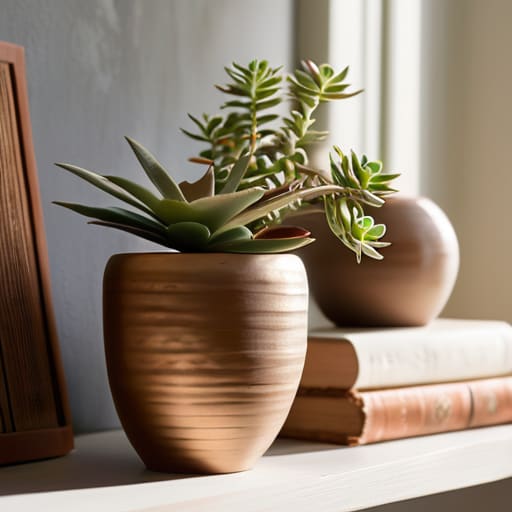
When I first started working as a wellness consultant, I realized that our physical environments act as a mirror for our mental states. A flat, one-dimensional shelf can feel stagnant, much like a routine that lacks inspiration. To breathe life into your space, I love using the concept of layering decor on shelves to create a sense of visual rhythm. Instead of lining objects up like soldiers in a row, try placing a larger piece—perhaps a ceramic vase or a stack of linen-bound books—at the back, and then nestle a smaller, more delicate item in front of it. This simple shift creates shadows and highlights that trick the eye into seeing more depth and dimension.
I often find myself leaning on the classic shelf styling rules of three when I’m feeling a bit overwhelmed by too many choices. There is something psychologically soothing about odd numbers; they feel more organic and less “forced” than even pairings. Try grouping a tall candle, a medium-sized plant, and a small textured bowl together. By varying the heights and textures, you aren’t just decorating; you are curating a small, intentional landscape that invites the eye to wander and rest.
Small Rituals for Your Shelves: 5 Ways to Infuse Intentionality into Your Decor
- Bring the outdoors in by incorporating organic elements like a trailing pothos or a smooth river stone; it reminds me of my early morning walks in Oregon and helps ground your space instantly.
- Use books not just for reading, but as architectural anchors—try stacking a few horizontally to create a little pedestal for a meaningful trinket or a candle you love.
- Play with varying heights to keep your eyes moving, much like how we balance different rhythms in our daily routines, preventing the arrangement from feeling stagnant or heavy.
- Curate “memory vignettes” by grouping objects that tell a personal story, like a seashell from a favorite trip next to a vintage compass, turning a simple shelf into a source of joy.
- Leave some “white space” or breathing room between your items; just as we need mental pauses to avoid burnout, your shelves need room to breathe so they don’t feel overwhelming to look at.
Bringing Intention to Your Space
View your shelving not as a chore of organization, but as a mindful practice of curation that reflects your inner calm.
Use the principle of layering to create visual depth, allowing your eyes to rest and wander naturally through your personal sanctuary.
Embrace minimalism to prevent mental clutter, choosing a few meaningful pieces over a crowded collection to foster a sense of peace.
Creating a Sanctuary in Small Spaces
“When I look at a shelf, I don’t just see a place to hold books or trinkets; I see a micro-landscape for the soul. By choosing items that resonate with your inner peace rather than just following a trend, you transform a simple piece of furniture into a quiet anchor of intention in a busy home.”
Sophia Reynolds
Creating Your Own Sanctuary
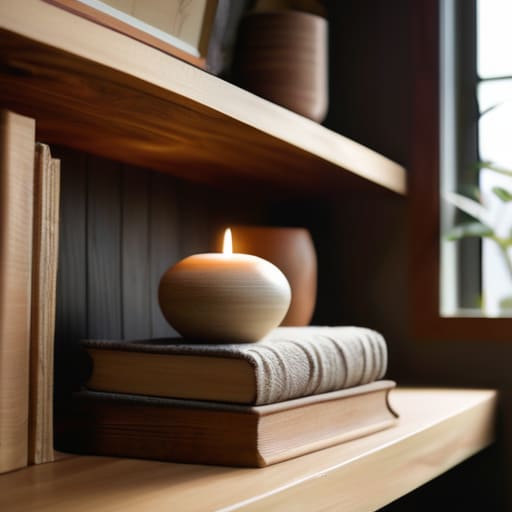
As we wrap up our journey through the art of shelf styling, I hope you see that it’s about so much more than just finding the perfect spot for a ceramic vase or a stack of books. We’ve explored how embracing minimalism can clear your mental clutter, and how the subtle magic of layering adds a sense of soulful depth to your environment. By intentionally choosing pieces that resonate with your journey—whether they are mementos from a quiet morning in Oregon or a simple, textured candle—you are doing more than just decorating; you are curating a visual rhythm that supports your well-being.
At the end of the day, please remember that your home should be a living, breathing reflection of your inner state. There is no “perfect” way to arrange a shelf, only the way that makes you pause, take a deep breath, and feel truly at peace. Don’t be afraid to move things around, to leave a little empty space, or to let your decor evolve as you do. Treat your shelves as small sanctuaries of intention, and let them serve as a gentle reminder that even in a world that never stops moving, you have the power to create stillness exactly where you are.
Frequently Asked Questions
How do I choose between purely functional items and decor that is just for aesthetic joy?
I used to struggle with this constantly during my corporate days—feeling like if an object didn’t serve a “purpose,” it was just clutter. But here’s the secret: aesthetic joy is a purpose. If a ceramic vase makes you exhale more deeply when you walk past it, that’s functional for your mental well-being. I like to use the “Soul vs. Task” rule. If it serves a task, it’s a tool; if it serves your soul, it’s decor. You need both to feel truly at home.
I struggle with feeling like my shelves look cluttered; how do I know when I’ve reached the "sweet spot" of styling?
I completely hear you—that “clutter creep” is so real! I used to struggle with this too during my corporate years. My trick? Step back. Literally. Walk to the other side of the room and take a deep breath. If your eyes dart around frantically trying to find a place to rest, you’ve gone too far. The “sweet spot” is when the shelf feels like a curated story, not a collection of chores.
Are there specific colors or textures I should focus on to make my shelves feel more calming and less overwhelming?
Think of your shelves as a visual deep breath. To keep things from feeling cluttered, I love leaning into a “tactile palette.” Reach for organic textures—think a rough ceramic vase, a soft linen-bound book, or even a piece of driftwood. For color, try to stay within a cohesive, muted family like soft sages or warm oatmeals. When you limit the visual noise, you create a sanctuary that invites your mind to rest rather than race.